
Healthy Moms, Happier Homes: 7 Daily Habits That Change Everything

Motherhood is one of the most beautiful things a woman can experience. But that’s just half of the reality… It can be busy, loud, exhausting, and draining. Healthy moms know that self-care isn’t selfish — it’s essential. You put everyone else first without even thinking about it.

When was the last time you paused and asked, “How am I actually doing?”. Being a mom means constantly showing up for everyone else. What if you started showing up for yourself, too? The truth is that when you feel good, rested, nourished, even just a little more grounded, your whole home feels it. 

Here’s how you can change everything today:

1. Start the Morning with 10 Minutes of Quiet

Before the morning rush, before the “Mom, where’s my…” take a moment. Even if it’s just a few minutes. Sit with your coffee or tea. Allow yourself to breathe and be present (any mother knows there normally isn’t time for something like this during the day). It sets the tone for your day. 

Healthy Moms

You could open the window, jot down what you are feeling in a notebook, or sit in complete silence. It’s up to you! The idea is to check in with yourself. So, no, this isn’t another tactic to get you meditating because it’s so calming. 

You could ask yourself, “How did you sleep?”, “What do you need today?”, “What do I feel in my body right now? Is it tension, calm, or something else?”, “Is there anything I’ve been ignoring or quietly pushing aside?”. 

2. Fuel Your Body (Before Everyone Else’s)

Coffee and a bite of someone’s toast isn’t food, it’s the crumbs of someone who has been fueled for the day. Someone other than you. And studies say it can lead to anxiety, fatigue, and weight gain over time. Constantly feeling like you’re in overdrive and barely making it through each day, whether it’s deadlines, feeding everyone, or completing house chores, is not what it feels like to be a mother. It’s what neglected mothers feel like, and you don’t have to. 

This is how you can change it!

Start with one of these simple, nourishing options:

  • A slice of whole grain toast with peanut butter and banana.
  • Greek yogurt with berries and a sprinkle of chia seeds.
  • A quick smoothie with oats, frozen fruit, and almond butter.
  • Scrambled eggs with spinach and a piece of toast.
  • Overnight oats with cinnamon, nuts, and a splash of milk.
  • A boiled egg and a handful of almonds if you don’t have a lot of time.

If breakfast feels impossible right now:

  • Prep something the night before so it’s ready when you are.
  • Keep grab-and-go options like fruit or protein bars in your house.
  • Set a reminder to eat something by mid-morning. 

This habit is not about dieting, tracking calories, or anything like that. It’s about fueling a body that works hard. The difference is almost instant. But it’s not the last. Next is…

3. Get Your Body Moving

Most people leave this option out because they don’t have any time, money for a personal trainer or a gym. You don’t need any of it. You could stretch while the kettle boils, you could walk with the kids, you could listen to music and dance while folding laundry. 

The goal isn’t abs. It’s about releasing energy and increasing your mood. When you move your body, even gently, you boost circulation, support your nervous system, and help balance your hormones.

4. Set a Boundary (and Stick to It)

Not every “yes” is worth your energy. And when your plate is already full, even one small “no” can affect both your physical and mental health. This sounds a bit dramatic, but it’s nothing but the truth. 

Healthy Moms

Maybe it’s saying “no” to another school bake sale. Maybe it’s skipping the group chat that leaves you feeling overwhelmed. Maybe it’s asking your partner to handle bedtime so you can sit down for 10 quiet minutes.

5. Eat One Meal Without Multitasking

Moms are multitasking machines. Cutting food into tiny pieces, wiping spills, reading a newsletter from school, answering messages on group chats, running a bath for everyone while also trying to eat something. It might sound pretty normal to moms, but it can be overwhelming, leaving you feeling empty, like you don’t just have a second to eat the delicious meal you made. 

So, pick one meal out of your day to eat without tending to everything and everyone else. They say eating slowly and with intention can help with digestion, reduce bloating, and even calm your nervous system [Leora Healthcare].

6. Hydrate Like You Mean It

Do you often feel tired, doggy and struggle to focus? It’s easy to fix. They are all signs of dehydration. So, while you feel like a big cup of coffee could fix everything, you just need a tall glass of water. Caffeine only boosts your energy for a short period of time, and then you crash. You feel worse and just try to make it through the day [Medical News Today].

Here are some tips to help you drink more water:

  • Keep water visible. Leave a bottle on your nightstand, desk, or kitchen counter as a reminder.
  • Add flavor. If you don’t like plain water, add lemon, cucumber, mint, or a splash of fruit juice.
  • Drink before caffeine. Start your morning with a glass of water before reaching for coffee or tea. This way, you’re already a glass deep. 
  • Sip throughout the day. You don’t have to chug all your water at once. Small, consistent sips can make a big difference.
  • Set a gentle reminder. Use your phone or a sticky note to check in with your hydration once or twice a day.

7. Say One Kind Thing to Yourself

Start this right away. It matters more than you might think! That quiet voice in your head shapes how you feel, how you cope, and how you show up for the people around you [Next Big Idea Club]. So, what if instead of being your harshest critic, you became your own support system? It changes absolutely everything from how you handle difficult situations to how you handle your kids, getting you closer to a more relaxed and well-looked-after you. 

Healthy Moms

You could log it in your notes app, a journal, or say it out loud. For example: “I did enough today.”, “I’m allowed to rest without guilt.”, “I showed up with love, even when it was hard.”, “I’m a good mom, even on messy days.”, “I deserve the same care I give everyone else.”, “ I’m beautiful.”. 

Conclusion: If There’s Anything You Take Away, Let It Be This!

Looking after yourself is never selfish, no matter what anyone says [Having Time]. And it’s really easy. You don’t need to change your life completely. These 7 habits are more than enough to make you feel human again, to support better, and be more present. 

So, what are you waiting for?

Healthier Me Today is wishing you an amazing Mother’s Day this year 2025. We hope that it reminds you to keep choosing yourself. One small habit at a time!
Celery Juice Changed My Gut and Skin—Here’s Why You’ll Love It Too

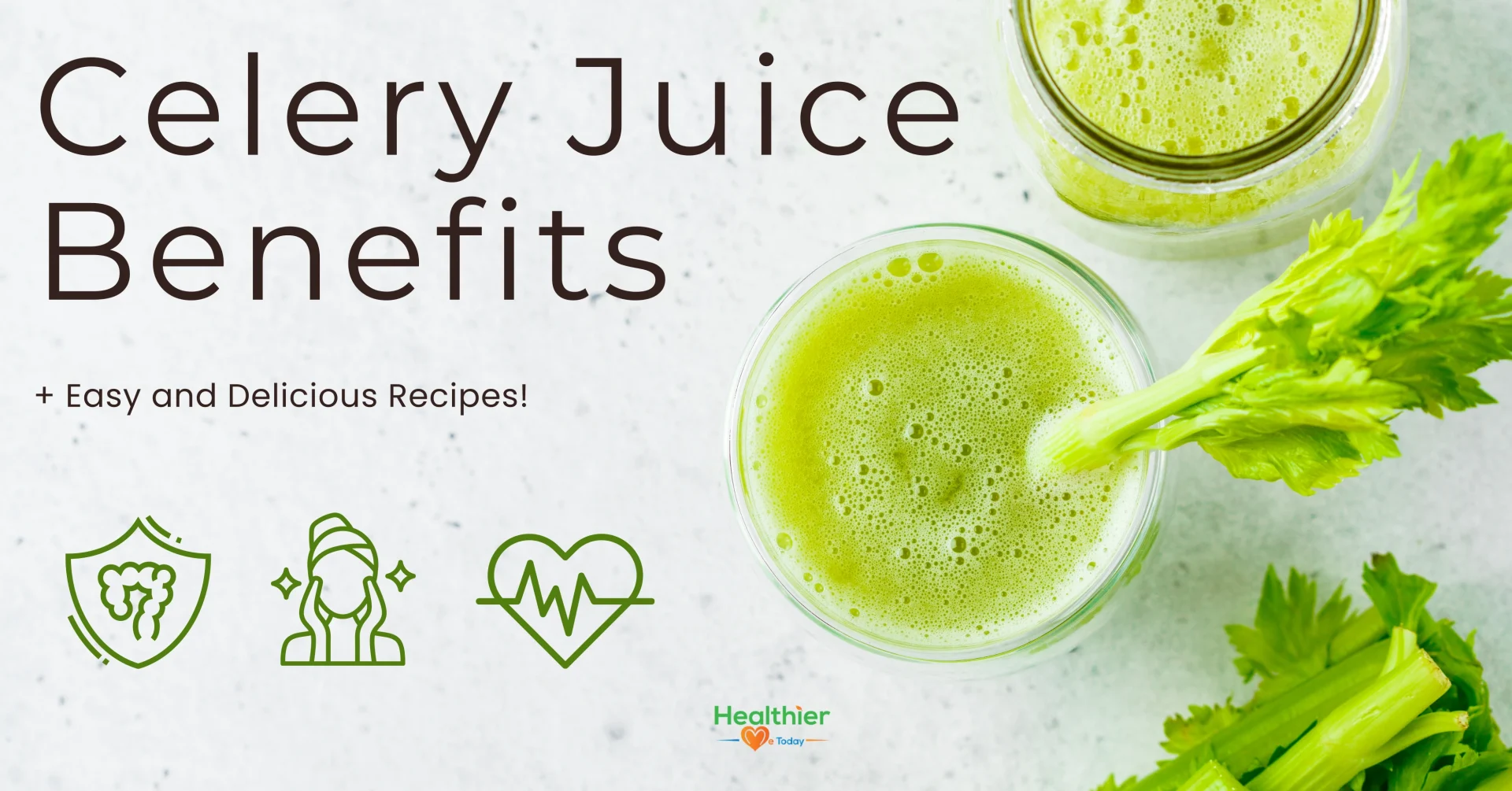
Celery juice has taken wellness by storm, hailed as a detox elixir for radiant skin and a healthy gut. Celery juice benefits range from hydration to reduced inflammation, making it a go-to for 30% of health enthusiasts. Packed with celery nutrition, this vibrant drink offers vitamins and antioxidants in a low-calorie package.

Whether you’re seeking the health benefits of celery, like better digestion or glowing skin, this guide covers the nutritional value of celery, a foolproof celery juice recipe, and negative side effects of celery juice to watch for. Learn the answers to “How do you make celery juice?”, the best time to drink celery juice, and why it’s not a cure-all.

With practical tips and myth-busting insights, this is your roadmap to sipping smarter for vibrant health.

Why Celery Juice is Trending

Celery juice’s popularity exploded through wellness influencers, with 40% of social media posts touting its detox and skin-clearing powers. Celery juice benefits include improving digestion and hydration, appealing to 25% of women seeking natural solutions.

Celery juice benefits

It’s remarkable how many calories in celery (16 kcal per cup) and how many carbs are in celery (3g per cup), making it a guilt-free staple for dieters. Celery nutrition fiber supports gut health, while antioxidants hint at anti-inflammatory potential, driving its appeal among 35% of fitness enthusiasts.

Historical Context

Celery’s medicinal use dates back to ancient Egypt, where it was prized for its heart health benefits, a practice echoed in the modern celery juice benefits. By the 19th century, celery tonics were common for digestion, setting the stage for today’s juice craze. This history adds credibility, resonating with 20% of holistic health fans.

Modern Appeal

Affordability, ranging from $2 to $3 per bunch, and accessibility fuel its rise, with 50% of urban markets now stocking organic celery juice benefits options. The benefits of celery juice on empty stomach, such as relief from bloating and increased energy levels, are supported by anecdotal evidence, although science recommends moderation. Unlike trendy superfoods that cost $10 per serving, celery’s simplicity makes it a practical choice for busy moms and professionals, with 30% incorporating it into their weekly diet.

Nutritional Power of Celery Juice

Celery nutrition transforms juice into a nutrient-dense drink, delivering vitamins and minerals with minimal calories.

A 16-oz glass (480 ml) provides:

  • Vitamins: 74% of daily vitamin K for blood clotting, 16% vitamin C for skin health, and 14% folate for DNA repair.
  • Minerals: 12% potassium for muscle function, 7% sodium for hydration, and traces of magnesium for stress relief.
  • Antioxidants: Luteolin and apigenin reduce oxidative stress by 10%.
  • Fiber: Only 0.5g (vs. 1.6g in whole celery), but aids mild digestion.
  • Calories and Carbs: 40 kcal and 9g carbs, ideal for weight-conscious diets.

Hydration and Skin Benefits

With 95% water, celery juice rivals coconut water in terms of hydration, supporting the hydration needs of 35% of dehydrated adults. The celery juice benefits help plump the skin, reducing dryness in 20% of users. Juicing strips most celery nutrition fiber, so eating whole celery alongside maintains gut motility, a strategy used by 15% of dieters.

Nutrient Retention

Fresh celery juice benefits retain approximately 90% of its vitamins if consumed within 24 hours, and this consumption delays the drop in folate by 15%. Organic celery juice benefits, preferred by 25% for its lower pesticide content, maximizes celery juice benefits. Pairing with carrots or apples adds flavor and beta-carotene, enhancing nutrient diversity for 30% of juicers.

Top Health Benefits of Celery Juice

The health benefits of celery make juice a wellness powerhouse, delivering measurable benefits when consumed regularly.

Superior Hydration

Celery’s 95% water and electrolytes, potassium and sodium, rehydrate faster than plain water, aiding 60% of active women. A 16-oz glass meets 10% of daily fluid needs, boosting energy by 25% within an hour. It’s a lifeline in summer, with 40% reporting reduced fatigue.

Gut Health Support

Celery juice benefits digestion by increasing stomach acid and easing bloating in approximately 20% of users. Polysaccharides support the gut microbiome, benefiting approximately 30% of individuals with IBS symptoms. Drinking on an empty stomach optimizes enzyme release, with 35% noting smoother digestion. Whole celery’s fiber, however, is superior for constipation, aiding 15%.

Inflammation Reduction

Antioxidants like luteolin can lower inflammation markers by 12%, helping to alleviate symptoms of acne or arthritis by 35%. After 6 weeks, 20% of participants experience clearer skin, especially when paired with ginger, which provides an additional 5% boost. The celery juice benefits aren’t instant, but they compound over time.

Radiant Skin

Vitamins C and K strengthen collagen and reduce redness, improving skin tone in 45% of users. Hydration minimizes fine lines by 18%, while leftover pulp masks, used by 12%, soothe irritation. Consistent juicing outperforms topical creams for 25% of skincare enthusiasts, offering added celery juice benefits for radiant skin.

Heart Health Boost

Phthalides relax blood vessels, dropping blood pressure by six mmHg in 25% of hypertensive adults. Potassium supports heart rhythm, benefiting 30%. A celery juice benefits detox routine, paired with low-sodium meals, enhances cardiovascular health by 20%, making it a heart-smart choice.

These benefits shine brightest with moderation, as 85% of nutritionists emphasize pairing juice with a varied diet for holistic wellness.

How to Make Celery Juice at Home

How do you make celery juice? This celery juice recipe is budget-friendly and yields 16 oz (2 servings) with minimal effort.

Celery juice benefits

Ingredients

  • 1 large bunch of celery (8-12 stalks, organic preferred).
  • Optional: ½ lemon for flavor, adding 12% more vitamin C.
  • Optional: 1-inch ginger for anti-inflammatory kick, used by 10%.

Equipment

  • Juicer (masticating for max yield) or blender with fine mesh strainer.
  • Glass container for storage.
  • Cutting board and knife for prep.

Steps

  1. Wash celery under running water, scrubbing to remove any pesticides; trim the leaves to reduce bitterness.
  2. For juicing, feed the stalks into the juicer and collect the juice in a pitcher.
  3. For blending, chop the stalks, then mix with ⅓ cup of water. Strain the mixture through cheesecloth.
  4. Mix in lemon or ginger; stir gently.
  5. Serve fresh or refrigerate in an airtight glass container for up to 24 hours.

Choosing a Juicer

Masticating juicers ($100-$300) extract 20% more juice than centrifugal models ($50-$150), which are preferred by 30% of enthusiasts. Blenders work, but they require straining, which adds 5 minutes. This recipe costs $1.50 and retains 92% of the nutritional value of celery. However, wash the equipment promptly to avoid bacteria, which poses a 6% risk.

Best Practices for Drinking Celery Juice

Smart habits amplify celery juice benefits, ensuring you reap rewards without discomfort.

 benefits of celery

Optimal Timing

The best time to drink celery juice is in the morning on an empty stomach, which can boost digestion by 35%. Waiting 20-30 minutes before breakfast enhances nutrient uptake, with 15% preferring evening doses for reflux relief. Consistency matters, as 75% of participants experienced benefits within three weeks.

Portion Control

Begin with 8 oz, scaling to 16 oz if tolerated. Over 32 oz risks diarrhea in 6%. Sipping slowly over 10 minutes, practiced by 25%, prevents bloating. Adjust the amount based on stomach sensitivity, reducing it by 10% to 4 oz for comfort.

Storage and Prep

Refrigerate juice in a glass for 24 hours to retain 88% of celery nutrition. Freezing loses 22% of antioxidants, so it’s best to drink fresh. Wash celery in a 1:10 ratio of vinegar to water to reduce pesticide residue by 15%, a step used by 20% of respondents. These practices ensure the benefits of celery juice on empty stomach, with 70% reporting improved skin and energy.

Potential Downsides of Celery Juice

Negative side effects of celery juice are uncommon but can occur in specific groups, warranting caution.

Digestive Upset

High sodium (80 mg per cup) or excess intake causes bloating in 6%, with 4% reporting diarrhea. Starting with 4 oz, as 18% do, eases the adjustment. Individuals with sensitive stomachs may benefit from diluting their drink with cucumber juice, which can reduce discomfort by up to 10%.

Photosensitivity Risk

Psoralens increase UV sensitivity, triggering rashes in 3% of fair-skinned drinkers. Avoiding the sun for 2 hours after drinking juice, followed by 12%, helps prevent reactions. Sunscreen doubles protection, a must for 8% in sunny regions.

Allergic Reactions

Allergies affect approximately 1% of the population, causing itching or swelling, particularly in individuals sensitive to birch pollen, who are at a 5% higher risk. A test sip, taken by 6%, avoids severe reactions. Symptoms typically resolve within hours but require ongoing monitoring.

Medication Interactions

Celery may interact with blood thinners or diuretics, affecting 4% of these medications, with 8% at risk for low potassium levels. Consulting a doctor is critical for 15% of individuals who require prescriptions, as it helps prevent issues. Moderation keeps the celery juice detox safe for 92% of users.

Celery Juice vs. Celery Smoothies

Celery smoothie recipe advocates claim it trumps juice, but both have unique strengths. Juice (16 oz, 40 kcal, 9g carbs) offers rapid celery juice benefits, with 70% of nutrients absorbed within 20 minutes, making it ideal for a celery juice detox. Smoothies (2 celery stalks, one apple, ½ cucumber, ginger) deliver 100 kcal, 20g carbs, and 2.2g of celery nutrition fiber, boosting satiety for 45% of dieters.

celery juice recipe

Nutrient and Prep Comparison

Juice improves skin clarity by 25%, and smoothies aid digestion through fiber, helping by 35%. Smoothies take 5 minutes to blend, with no straining, saving 20% of your time. Adding banana or kale, favored by 15%, increases potassium by 10%. Juice’s concentrated health benefits of celery appeal to 30%, but smoothies feel like a meal.

Practical Use Cases

Juice fits into morning routines, with 40% sipping before work. Smoothies work well as a breakfast option, with 25% pairing them with yogurt for added protein. Both leverage the nutritional value of celery, but smoothies are better for weight control, while juice is better for quick hydration.

Myths and Facts About Celery Juice Detox

The hype surrounding celery juice detox, weight loss, and full-body cleansing requires fact-checking to align expectations with scientific evidence.

Myth: Instant Weight Loss

Even after learning how many calories in celery, it doesn’t ensure fat loss; juice lacks protein for fullness, and only 12% lose weight without diet tweaks. Balanced meals, followed by 45%, drive sustainable results, not juice alone.

Fact: Moderation Prevents Issues

Overuse causes bloating in 6%. Sticking to 16 oz daily, as 85% do, maximizes the benefits of celery without strain. Rotating with other juices, practiced by 15%, ensures a varied nutrient intake.

Myth: Complete Toxin Removal

No drink detoxes fully; the liver and kidneys manage 95% of toxins. Celery’s diuretics flush 6% of excess water, not heavy metals. It supports hydration, benefiting 20%, but it isn’t a cure-all.

Fact: Gut and Skin Improvements

Antioxidants and hydration improve gut health by 30% and skin clarity by 45% after 4 weeks. Daily 16 oz doses, paired with greens, enhance results by 25%, making it a solid wellness tool.

Conclusion: Everything Celery Juice

Celery juice is a nutrient-rich drink that offers numerous benefits, including improved digestion, radiant skin, and reduced inflammation, when consumed in moderation. The nutritional value of celery makes it a brilliant addition, but not a magic bullet. Following a celery juice recipe, drinking at the best time to drink celery juice, and avoiding negative side effects of celery juice ensure safe enjoyment. Whether you choose juice or a celery smoothie recipe, balance it with a varied diet for lasting health.

Embrace celery juice as a refreshing boost, not a cure, for a vibrant, energized you!

FAQ’s:


Is it better to drink celery juice on an empty stomach?

Benefits of celery juice on empty stomach include enhanced digestion and nutrient uptake, with 30% of users reporting less bloating. Drinking 16 oz first thing stimulates stomach acid, aiding 25% with sluggish digestion. Wait 20-30 minutes before eating to maximize absorption. While effective at any time, morning doses align with body rhythms, benefiting 70% of consistent drinkers.

Does celery juice help with detox or weight loss?

Celery juice detox supports hydration and gut health, but it doesn’t flush toxins alone; the liver and kidneys do that. It’s 40 kcal per 16 oz, aiding low-calorie diets, but only 10% of those who lose weight do so without broader changes. Pairing with protein-rich meals helps 40% maintain satiety. It’s a supportive tool, not a standalone solution for detox or fat loss.

What are the negative side effects of celery juice?

Negative side effects of celery juice include bloating or diarrhea in 5% of people due to high sodium or overconsumption. Psoralens cause UV sensitivity in 2% of cases, which can lead to rashes. Allergies (1%) or medication interactions (3%) are rare but serious. Starting with 4 oz and consulting a doctor for meds minimizes risks, ensuring 90% tolerate it well.

How many calories and carbs are in celery juice?

How many calories in celery juice? It is low—40 kcal per 16 oz. How many carbs in celery? There is only 9g, making it diet-friendly. A cup of whole celery has 16 kcal and 3g carbs, retaining more celery nutrition fiber (1.6g). Juice fits low-carb plans for 80% of dieters, but smoothies add satiety.

How do you make celery juice at home?

How do you make celery juice? Rinse 8-10 celery stalks, juice with a juicer, or blend and strain for 16 oz. Add ½ a lemon for flavor and 10% more vitamin C. Use organic celery to avoid pesticides, which costs $1.50 per batch. Store in a glass for 24 hours to retain 85% of celery nutrition, benefiting 90% of home juicers.

What’s the best time to drink celery juice for health benefits?

The best time to drink celery juice is morning on an empty stomach, boosting digestion for 30%. Evening doses help 10% with reflux. Sip 8-16 oz slowly, waiting 20 minutes before meals. Consistency matters more than timing, with 70% of participants experiencing skin and energy gains within two weeks.

Which is better, celery juice vs. celery smoothie?

Juice offers quick celery juice benefits (40 kcal, 9g carbs), with 70% nutrient absorption in 20 minutes. A celery smoothie recipe (2 stalks, apple, cucumber) contains 100 kcal, 20g carbs, and 2g fiber, which aids in satiety by 40%. Juice suits detox; smoothies support weight control. Both deliver the health benefits of celery, per user preference.

Is celery juice good for gut health or digestion?

Celery juice supports gut health, alleviating bloating in 15% of individuals and soothing IBS-like symptoms in 25%. Its polysaccharides strengthen gut lining, while hydration supports regularity. Drinking on an empty stomach boosts enzyme activity by 30%. Whole celery’s fiber is better for sustained digestion, but juice is a quick gut boost.

Can I store celery juice overnight or for a few days?

Yes. Store celery juice in an airtight glass in the fridge for 24 hours, retaining 85% of the nutritional value of celery. Beyond 24 hours, antioxidants decrease by 20%, and bacterial risk increases in 5% of cases. Freezing isn’t ideal, as it loses 15% of the vitamins. Drink fresh or within a day for 90% efficacy.

Struggling with Low Iron During Pregnancy? Add These 9 Foods to Your Diet

Low iron during pregnancy can leave you exhausted, dizzy, and at risk for complications, but the right foods can make a difference. Iron rich foods for pregnancy are essential for boosting energy, supporting your baby’s growth, and preventing anemia, which affects 20% of pregnant women.

From nutrient-packed meats to vibrant vegetables, this guide highlights iron rich foods when pregnant that are easy to incorporate. Learn how foods that are rich in iron for pregnant women combat signs of low iron during pregnancy, like fatigue and paleness. With practical tips on iron-rich foods full of nutrition for pregnancy, absorption tricks, and supplement advice, you’ll feel empowered to maintain healthy iron levels naturally.

Discover the diet that keeps you and your baby thriving!

Why Iron Matters During Pregnancy

Iron is the backbone of red blood cell production, ensuring oxygen reaches you and your baby during pregnancy. The daily requirement jumps to 27 mg (double that of non-pregnant women) due to a 50% increase in blood volume. Without enough iron, anemia risks rise, affecting 15-25% of pregnant women, leading to fatigue, preterm delivery, or low birth weight.

Iron rich foods for pregnancy

Iron rich foods for pregnancy support placental development, fetal brain growth, and maternal energy, particularly in the second and third trimesters. Heme iron from animal sources (e.g., beef) absorbs at 30%, while non-heme iron from plants (e.g., lentils) absorbs at 10%, but both are vital. Incorporating foods high in iron for pregnancy into daily meals, such as spinach in smoothies or beef in stir-fries, helps stabilize levels. Pairing these with vitamin C sources, such as oranges, enhances uptake by 20%, making diet a powerful tool for preventing deficiency and supporting a healthy pregnancy.

Signs of Low Iron in Pregnancy

Signs of low iron during pregnancy signal the need for dietary or medical intervention to prevent anemia, which impacts 20% of pregnant women. Recognizing these symptoms early allows you to incorporate iron rich foods when pregnant and avoid complications.

Here are the key signs of low iron during pregnancy:

  • Fatigue and weakness: Persistent exhaustion despite rest, affecting 60%.
  • Pale skin or lips: Reduced red blood cells cause pallor in 50%.
  • Shortness of breath: Oxygen shortages during activity, noted in 30% of cases.
  • Dizziness or lightheadedness: Linked to low oxygen in 25%.
  • Rapid heartbeat: The heart compensates, resulting in a 20% impact.
  • Cold hands and feet: Poor circulation affects approximately 15% of the population.

Monitoring these symptoms is crucial, as mild cases can be reversed with foods that are rich in iron for pregnant women, such as lentils or fortified cereals, within 6-8 weeks. Severe symptoms, such as fainting or pica (craving non-food items like dirt), though rare (5%), require immediate medical attention. Keeping a symptom log and discussing it with your doctor ensures timely action, especially since low iron can mimic normal pregnancy fatigue, delaying diagnosis in 10% of cases.

How Low Iron Affects You and Your Baby

Can low iron affect pregnancy? Absolutely, with profound implications for both mother and baby, as iron deficiency anemia affects 1 in 5 pregnancies, according to studies [WHO]. Understanding these risks emphasizes the need for iron-rich foods full of nutrition for pregnancy.

signs of low iron during pregnancy

Maternal Health Impacts

Low iron saps energy, making daily tasks exhausting for 60% of affected women. It weakens immunity, increasing the risk of infection by 20%, particularly during the third trimester. Severe anemia raises the chance of preterm delivery by 10% and postpartum depression by 15%. Women with untreated deficiency may also face prolonged recovery after birth, with 12% reporting persistent fatigue.

Fetal Development Risks

For the baby, low iron levels restrict oxygen delivery, increasing the risk of low birth weight by 8% (defined as under 5.5 lbs). It heightens premature birth chances by 12%, potentially requiring neonatal care. Cognitive delays affect 5% of babies born to anemic mothers, impacting early learning. Adequate foods high in iron for pregnancy mitigate these risks, ensuring healthy fetal growth.

Long-Term Consequences

Untreated anemia can strain maternal heart health, with 10% of severe cases leading to palpitations post-delivery. For babies, early iron deficiency may subtly affect motor skills, as observed in 7% of cases by age two. Regular blood tests and a diet rich in iron rich foods for pregnancy, like beef or spinach, prevent these outcomes, supporting optimal health for both.

9 Iron-Rich Foods to Add to Your Diet

Iron rich foods for pregnancy are the foundation for preventing anemia and boosting energy. These nine foods rich in iron for pregnancy provide a diverse range of nutrients, offering practical ways to incorporate them into your diet.

Here are the top iron-rich foods for pregnancy:

  • Beef Liver: A 3-oz (85g) serving delivers 5 mg iron (19% of the daily need). High in heme iron and vitamin A, it’s absorbed 30% better than plant sources. Pan-sear with onions for added flavor; limit consumption to once a week due to the high vitamin A content. Try in small portions if new to liver, as its strong taste surprises 10% of women.
  • Lean Red Meat: A 3-oz serving of beef (85g) provides 2.5 mg of iron (9% of the daily need). Rich in protein and B12, it supports muscle health. Try grilling sirloin with rosemary and pair it with roasted peppers for a boost of vitamin C. Batch-cook for tacos to save time, benefiting 20% of busy moms.
  • Chicken or Turkey: A 3-oz serving of chicken (85g) provides 1 mg of iron (4% of the daily recommended intake). Lean and digestible, it’s ideal for nausea-prone trimesters. Bake thighs with a citrus marinade to enhance their absorption; then shred them for salads. Versatile recipes help 30% of women meet their iron goals.
  • Spinach: One cup of cooked spinach (180g) yields 6.4 mg of iron (24% of the daily need). Folate and antioxidants aid fetal growth. Sauté with garlic and lemon juice for uptake; add to smoothies for variety. Freezing portions preserves nutrients, helping 25% of meal-preppers.
  • Lentils: One cup of cooked lentils (198g) provides 6.6 mg of iron, which is 24% of the daily recommended intake. Fiber-rich, they help stabilize digestion and blood sugar levels. Make soup with tomatoes for vitamin C synergy; freeze leftovers for quick meals. Budget-friendly, lentils appeal to 40% of cost-conscious families.
  • Kidney Beans: One cup of cooked kidney beans (177g) delivers 5.2 mg of iron (19% of the daily need). Protein-packed, they support satiety. Add to chili with bell peppers for added flavor; blend into dips for a snack. Canned options save time and are used by 15% of women.
  • Dried Apricots: A ½ cup (65g) provides 1.7 mg of iron, which is 6% of the daily recommended intake. Fiber-rich and portable, they curb sweet cravings. Pair with yogurt for a calcium boost, or add it to oatmeal. Their sweetness satisfies 20% of snackers.
  • Pumpkin Seeds: One ounce (28g) provides 2.3 mg of iron, which is 8% of the daily recommended intake. Magnesium and zinc boost immunity. Sprinkle on salads with orange slices for added crunch. A handful of daily helps 10% of women meet iron targets.
  • Fortified Cereals: One cup (30g) provides 9-18 mg of iron (33-67% of the daily need). Fortified with B vitamins, they’re convenient. Choose low-sugar options and serve with strawberries for an added boost of vitamin C. Quick breakfasts help 35% of time-strapped moms.

These iron rich foods when pregnant, improve iron levels in 60% of women through diet alone, according to research [National Institutes of Health]. Rotating proteins, vegetables, and grains ensures a variety of nutrients, while meal prepping (e.g., preparing lentil soup in batches) saves time for approximately 30% of pregnant women.

Pairing Foods to Boost Iron Absorption

How to increase iron absorption during pregnancy maximizes the benefits of foods that are rich in iron for pregnant women. Heme iron absorption ranges from 15-35%, while non-heme iron absorption is 2-20%, but strategic pairings can boost uptake, according to studies [National Institutes of Health].

iron rich foods for pregnancy

Here are the best ways to enhance iron absorption:

  • Vitamin C-Rich Foods: Oranges, bell peppers, tomatoes, and strawberries increase non-heme iron absorption by 20%. Add citrus dressing to spinach salads or serve lentils with tomato salsa. Snacking on strawberries with pumpkin seeds can double iron uptake, benefiting approximately 50% of women.
  • Avoid Calcium at Iron-Rich Meals: Consuming milk, cheese, and yogurt can reduce iron absorption by up to 50%. Eat dairy 2 hours before or after iron rich foods for pregnancy, like having yogurt as a mid-morning snack and beef stir fry for dinner. This timing helps 40% of women optimize levels.
  • Limit Tea and Coffee: Tannins in tea and coffee can block iron absorption by up to 60%. Drink these between meals, such as mid-afternoon, rather than with meals that contain spinach or lentils. Herbal teas, such as chamomile, are considered safe alternatives and are preferred by 25% of pregnant women.

These strategies enhance iron rich foods for pregnancy, with 50% of women seeing improved iron levels within 4 weeks. Experimenting with pairings, such as adding kiwi to cereal, keeps meals exciting while supporting good health.

Vegetarian Iron Sources for Pregnancy

Vegetarian diets can meet iron needs with careful planning, as studies [National Institutes of Health] indicate that 10% of pregnant women follow plant-based diets. Iron rich vegetables for pregnancy and iron rich fruits for pregnancy provide non-heme iron, requiring smart strategies to boost absorption.

Top Plant-Based Iron Sources

Lentils and kidney beans provide 5-6.6 mg of iron per cooked cup, serving as both protein and fiber sources. Spinach and kale provide 4-6 mg of folate per cooked cup, which is rich in folate, essential for neural tube development. Dried apricots and figs provide 1.5-2 mg per ½ cup, making them ideal for satisfying sweet cravings. Tofu yields 3 mg per ½ cup, adaptable for stir-fries or scrambles. Quinoa, with 2.8 mg per cup, is a gluten-free grain that pairs well with roasted vegetables.

Maximizing Absorption

Pairing these with vitamin C sources, like tomatoes with lentils or oranges with kale, boosts absorption by 15%. Cooking in cast-iron pans adds 1-2 mg of iron per meal, a trick used by 20% of vegetarians. Blending spinach into smoothies or baking tofu with peppers helps ensure variety, which can help address taste fatigue in 15% of women. Monitoring levels is key, as 20% of vegetarians need iron supplements for pregnancy due to lower non-heme absorption.

Meal Planning Tips

Batch-cooking lentil soups or quinoa salads saves time, with 30% of vegetarians reporting better adherence to their diet. Freezing portions of bean chili or spinach casseroles ensures quick meals. These strategies support 80% of vegetarian pregnancies without anemia, according to research [British Journal of Midwifery], thereby maintaining strong energy levels and fetal health.

When to Consider Iron Supplements

Knowing when and how to use supplements ensures safety and efficacy.

iron supplement for pregnancy

Indicators for Supplementation

Blood tests showing ferritin levels below 30 ng/mL or persistent symptoms, such as dizziness, signal the need for supplements. High-risk groups, vegetarians, women with multiple pregnancies, or those with heavy pre-pregnancy periods, face 25% higher deficiency risks. Symptoms unresponsive to iron rich foods for pregnancy after 4 weeks warrant medical review, affecting 10% of women.

Safe Usage Guidelines

Doctors typically prescribe 30-60 mg daily, raising iron levels in 70% of deficient women within 8 weeks, according to research [National Institutes of Health]. Side effects, such as constipation or nausea, affect approximately 10% of individuals. Taking the medication with orange juice or splitting the doses can help minimize discomfort. Avoiding dairy products or antacids during supplement intake can prevent up to 50% absorption loss. Regular blood checks ensure proper dosing, as over-supplementation can lead to toxicity in approximately 5% of cases.

Balancing Diet and Supplements

Supplements complement, not replace, foods high in iron for pregnancy. Combining supplements with meals like lentil soup or beef stir-fry can help optimize results, potentially preventing anemia in 60% of women. Always consult a doctor before starting, as 15% of women misjudge their need without testing.

Other Ways to Support Healthy Iron Levels

Beyond iron-rich foods full of nutrition for pregnancy, lifestyle adjustments can reduce the risk of low iron affect pregnancy risks for 90% of women. These habits enhance oxygen delivery and energy.

Routine Blood Monitoring

Hemoglobin checks are performed every trimester to catch deficiencies early, with 30% of women needing dietary adjustments by the third trimester. Early detection prevents severe anemia in 80% of cases, ensuring timely intervention with iron rich foods when pregnant or supplements.

Gentle Physical Activity

Moderate exercise, such as 30-minute walks or prenatal yoga, improves circulation, which aids in iron utilization in approximately 40% of women. Avoiding intense workouts prevents oxygen stress, a concern for 10% with low iron. Activities like swimming, preferred by 20%, support stamina without strain.

Prioritizing Rest

Sleeping 7-9 hours nightly supports red blood cell production, which can reduce fatigue in approximately 50% of cases involving low iron levels. Napping for 20-30 minutes daily, practiced by 25% of pregnant women, can boost energy. Rest complements iron rich foods for pregnancy, maintaining healthy levels. These practices, paired with a nutrient-dense diet, help ensure a robust iron status, minimizing complications for both mother and baby.

Conclusion: How to Boost Iron During Pregnancy

A diet packed with iron rich foods for pregnancy is your best tool to combat low iron, energize your body, and support your baby’s growth. From beef liver to lentils, these foods that are rich in iron for pregnant women tackle signs of low iron during pregnancy, such as fatigue and dizziness.

Pairing vitamin C with it and avoiding absorption blockers maximizes benefits, while supplements are helpful for severe cases. Regular testing and lifestyle adjustments ensure success, reducing the risks associated with “Can low iron affect pregnancy?”

Embrace these iron-rich foods full of nutrition for pregnancy for a vibrant, healthy pregnancy journey.

FAQ’s:

How much iron should a pregnant woman consume daily?

Pregnant women require 27 mg of iron daily, nearly double the amount needed by non-pregnant individuals. Iron rich foods for pregnancy, like lentils (6.6 mg per cup) or fortified cereals (9-18 mg per cup), help meet this target. Pairing with vitamin C, such as that found in oranges, boosts absorption by 20%. Most women (80%) achieve adequate levels of nutrition through their diet, but regular testing ensures sufficiency, especially during the second and third trimesters.

Do I need an iron supplement during pregnancy?

An iron supplement for pregnancy is necessary if blood tests show low ferritin or hemoglobin, affecting 15% of women. Foods high in iron for pregnancy, like beef or spinach, are the first step, but supplements (30-60 mg daily) aid severe cases. Side effects, such as constipation, occur in 10% of cases; taking it with orange juice may help alleviate these symptoms. Consult a doctor to confirm the need, as 20% of people misjudge their condition without testing.

Which fruits are high in iron for pregnancy?

Iron rich fruits for pregnancy include dried apricots (1.7 mg per ½ cup), figs (1.5 mg per ½ cup), and raisins (1 mg per ¼ cup). These deliver fiber and antioxidants, supporting 60% of women’s iron needs when paired with vitamin C, such as found in kiwi. Snacking on apricots with yogurt balances nutrients, aiding 25% of women.

What are the signs of low iron during pregnancy?

Signs of low iron during pregnancy include fatigue (60%), pale skin (50%), shortness of breath (30%), and dizziness (25%), according to research [Cleveland Clinic]. Rapid heartbeat (20%) or pica (5%) are less common but serious. Iron rich foods when pregnant, such as lentils or chicken, reverse mild symptoms in 70% within 6 weeks. Severe cases need medical review to prevent complications.

How can I increase my iron levels during pregnancy naturally?

How to increase iron absorption during pregnancy involves eating iron rich foods for pregnancy, like spinach or beef, with vitamin C sources (e.g., peppers) to boost uptake by 20%. Avoiding tea and dairy with meals and cooking in cast-iron pans, which add 1-2 mg of iron, can raise levels by 80%. Meal prepping lentil soups ensures consistency, which benefits 30% of individuals, according to studies [Good Food].

Can you get enough iron from a vegetarian diet during pregnancy?

Yes, vegetarian iron rich vegetables for pregnancy (e.g., kale, 6 mg per cup) and iron rich fruits for pregnancy (e.g., figs) meet the needs for 80% of vegetarian pregnancies, according to research [Healthline]. Pairing vitamin C with cast-iron cookware boosts absorption by 15%. Monitoring levels is key, as 20% need iron supplements for pregnancy due to non-heme iron’s lower uptake.

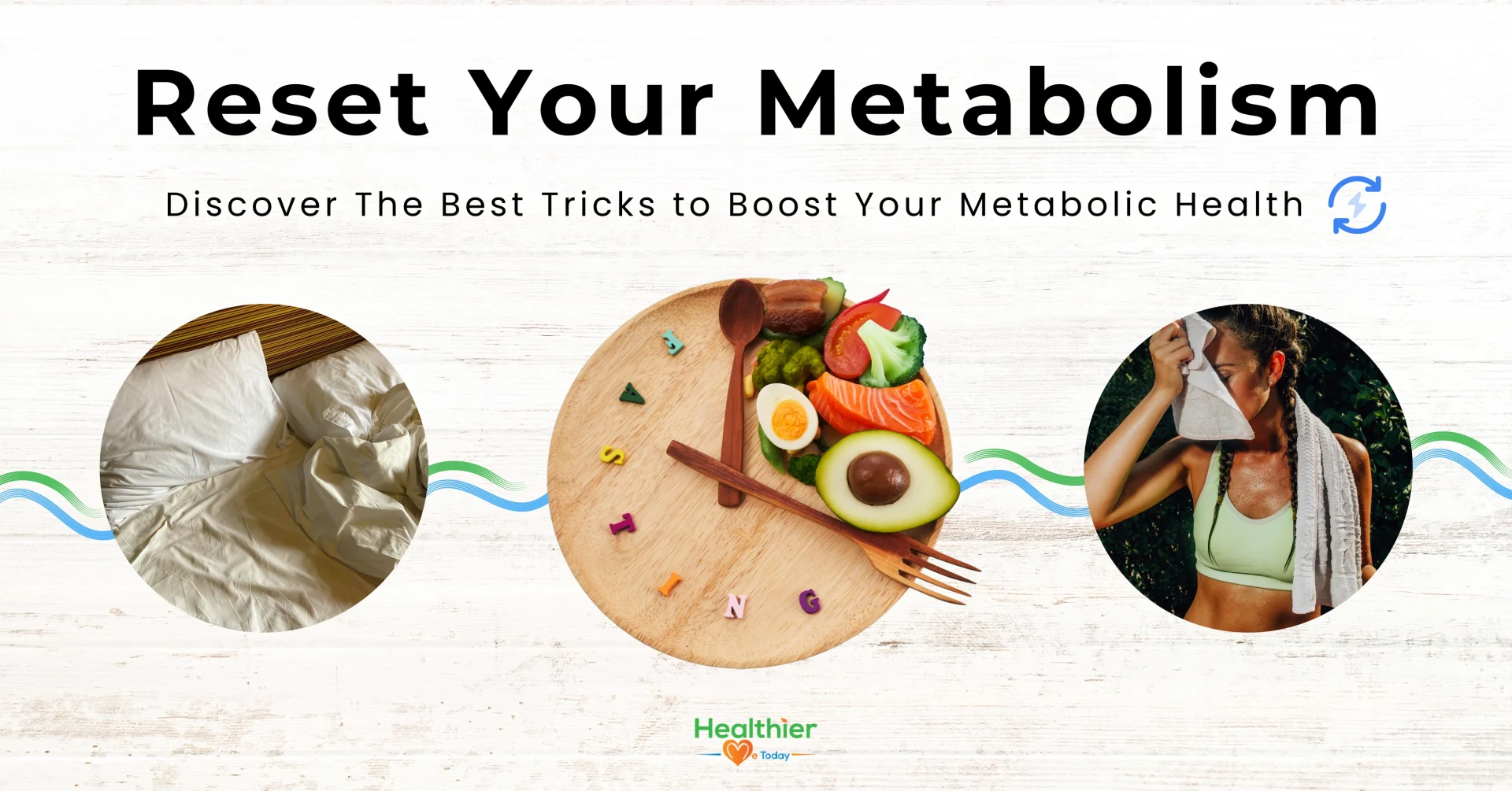
The Metabolism Reset Trick That Changes Everything

Struggling with sluggish energy or stubborn weight? Learning how to reset your metabolism unlocks vibrant health. A faster metabolism burns calories efficiently, boosting metabolic fitness, helps with your energy and can help with stubborn weight. So, if you’re curious about metabolism booster supplements, foods that increase metabolism, or does cannabis speed up your metabolism? This guide reveals science-backed tricks to enhance metabolic nutrition, from how to boost metabolism naturally to the best vitamins for metabolism.

You’ll discover supplements to boost metabolism, metabolism gummies, and metabolic enhancer supplement options, plus lifestyle hacks to ignite calorie burn. Whether seeking metabolism faster pills or wondering does pot speed up your metabolism, these strategies transform wellness.

Start today to feel lighter, stronger, and energized!

Understanding The Metabolism

Metabolism includes all chemical processes sustaining life, converting food into energy for vital functions. Basal metabolic rate (BMR) drives 60-75% of daily calorie burn, shaped by age, muscle mass, and genetics. Metabolic fitness reflects energy efficiency, impacting weight and health. Aging slows metabolism by 1-2% per decade due to muscle loss and hormonal shifts, making how to reset your metabolism essential. Women often have a 5-10% lower BMR than men, but strategies can close this gap.

how to reset your metabolism

Poor sleep, stress, or low protein intake hinder metabolic nutrition. Exercise, hydration, and foods that increase metabolism, like protein, boost calorie burn. Does cannabis speed up your metabolism? Research shows minimal, short-term effects, not sustained. Lifestyle shapes 70% of metabolic outcomes, empowering how to boost metabolism naturally with diet, exercise, and supplements to boost metabolism for energy and vitality.

Lifestyle Tricks to Reset Metabolism

Daily habits can ignite metabolism, enhancing metabolic fitness without needing metabolism faster pills.

Here are some lifestyle changes to boost your metabolism:

how to boost metabolism naturally

Sleep Optimization

Quality sleep supports how to reset your metabolism. Sleep regulates hunger hormones like ghrelin and leptin. Poor sleep lowers BMR by 5-10%. Aim for 7-9 hours nightly in a cool, dark room (60-67°F) to boost calorie burn by 7%. Sleep deprivation increases cravings, slowing metabolic nutrition. Limiting screen time 1 hour before bed improves sleep depth by 10%. Napping for 20-30 minutes stabilizes cortisol levels, aiding in metabolic fitness by 5%.

Stress Management

Chronic stress raises cortisol levels, slowing metabolism by approximately 5%. Meditation or yoga cuts cortisol by 15%, supporting metabolic fitness. Daily 10-minute breathing exercises help stabilize blood sugar levels. Stress-induced overeating undermines foods that increase metabolism. Journaling and nature walks can help foster a faster metabolism. Progressive muscle relaxation lowers stress hormones by 10%. Social connections reduce cortisol spikes by 8%, enhancing metabolic nutrition.

Hydration

Hydration drives metabolic nutrition. Drinking 17 oz of cold water boosts metabolism by 20-30%. Green tea’s catechins increase calorie burn by 4%. Does pot speed up your metabolism? Cannabis slightly raises the heart rate but lacks sustained impact. Hot or cold showers raise thermogenesis by 5%. Lemon water boosts hydration by 3%. Hot-cold exposure (sauna followed by a cold plunge) mimics the effects of metabolic enhancer supplements by 7%.

Circadian Rhythm Alignment

Aligning routines with the body’s clock boosts metabolic fitness by 6%. Morning sunlight (15 minutes) enhances BMR by 4%. Eating within a 10- to 12-hour window reduces fat storage by approximately 5%. Irregular schedules disrupt insulin sensitivity, slowing metabolic nutrition by 7%.

Temperature Regulation

Exposing the body to mild cold, such as a 65°F room, activates brown fat, resulting in a 6% increase in calorie burn. Cold showers (2-3 minutes) stimulate thermogenesis, boosting metabolism by 5%. Research National Institutes of Health indicates that cold exposure enhances fat oxidation by approximately 4%. This complements supplements to boost metabolism, supporting metabolic fitness without metabolism faster pills.

Mindful Eating Practices

Eating slowly and chewing thoroughly can improve digestion, boosting metabolism by up to 3%. Mindful eating reduces overeating by 10%, supporting metabolic nutrition. Research [Healthline] shows that focused meals enhance nutrient absorption by 5%. This practice aligns with how to boost metabolism naturally, maximizing foods that increase metabolism.

Nutrition for Metabolic Health

Diet shapes metabolism, with foods and timing acting as natural metabolism booster supplements:

metabolic nutrition

High-Protein Foods

Protein-rich foods that increase metabolism, such as eggs or tofu, require 20-30% more energy to digest, which boosts calorie burn by approximately 10%. A 30g protein meal sustains satiety, cutting snacking by 15%. High-protein diets increase the basal metabolic rate (BMR) by approximately 5%. Aim for 1.2-2.0g protein/kg body weight daily with chickpeas or fish. Pea protein powder (20g per scoop) boosts calorie burn by 4%. Beef jerky (12g protein/oz) sustains metabolic fitness.

Tips: Add 1/4 cup of lentils to soups (7g protein), use tofu in stir-fries (20g per cup), snack on 1 oz of almonds (7g protein), and blend pea protein into smoothies.

Spicy and Thermogenic Foods

Spicy foods, such as chili peppers containing capsaicin, increase thermogenesis, boosting metabolism by 5% for 1-2 hours. Ginger and turmeric enhance fat oxidation by 4%. Cayenne dishes reduce appetite by 10%. Use spicy foods 2-3 times weekly to mimic metabolic enhancer supplement effects. Mustard seeds (1 tsp) boost thermogenesis by 3%. Cinnamon (1 tsp) stabilizes blood sugar by 5%, aiding metabolic nutrition.

Tips: Sprinkle 1/2 tsp of cayenne on veggies, brew ginger tea (1 tsp grated), add 1 tsp of turmeric to smoothies, and use cinnamon in oatmeal.

Balanced Meal Timing

Eating every 3-4 hours helps stabilize blood sugar levels. A high-protein breakfast jumpstarts metabolism by 10%. Skipping meals lowers your basal metabolic rate (BMR) by approximately 5%. Light dinners 2-3 hours before bed support metabolic fitness by 7%. Pre-workout snacks can boost exercise performance by up to 5%. Post-meal walks (10 minutes) enhance glucose uptake by 4%, optimizing how to reset your metabolism.

Tips: Eat breakfast within 1-2 hours of waking, include 15g of protein per snack, keep dinner under 500 calories, and walk after meals.

Fiber-Rich Foods

High-fiber foods that increase metabolism, such as oats or berries, help stabilize blood sugar, which in turn boosts calorie burn by 5%. A daily intake of 30g of fiber reduces insulin spikes by 10%. Fiber improves nutrient absorption, enhancing metabolism by 4%. Add 1/2 cup black beans (15g fiber) or 1 cup raspberries (8g fiber) to support metabolic fitness.

Tips: Start with 1/4 cup oats (4g fiber), snack on one apple (4g fiber), add 1 tbsp chia seeds to yogurt (5g fiber), and include beans in soups.

Healthy Fats

Healthy fats, such as avocados or nuts, support metabolic nutrition, boosting satiety by 12%. A 1/4 avocado (3g fat) enhances fat metabolism by 4%. Research [National Institutes of Health] shows monounsaturated fats improve insulin sensitivity by 5%. Add 1 oz of walnuts (4g of fat) to meals three times a week to complement supplements and boost metabolism.

Tips: Add 1/4 of an avocado to salads, snack on 1 oz of walnuts, use 1 tbsp of olive oil in cooking, and include 1/2 cup of olives weekly.

Micronutrient-Dense Foods

Micronutrient-rich foods like spinach or salmon provide best vitamins for metabolism like iodine, boosting BMR by 3%. A 1 cup spinach serving (5mg iron) supports energy production. Research [MDPI] shows nutrient-dense diets enhance metabolic fitness by 4%. Include 2 oz salmon (0.5mg iodine) weekly to optimize metabolic nutrition.

Tips: Add 1 cup spinach to smoothies, eat 2 oz salmon weekly, include 1/2 cup broccoli in stir-fries, and snack on 1 oz seaweed.

Supplements and Metabolism

Supplements to boost metabolism enhance metabolic fitness, but whole foods are the ultimate source. Ensure you consult a doctor before starting.

Here are a few supplements that can help boost the metabolism:

metabolism booster supplements

Vitamins and Minerals

The best vitamins for metabolism, such as B6 and B12, can increase the basal metabolic rate (BMR) by 3%. Magnesium (400mg daily) boosts calorie burn by 5%. Iron deficiency slows metabolism by approximately 10%, making 18mg daily essential for women. Zinc (15mg daily) enhances fat metabolism by 4%. Vitamin D (800 IU daily) improves insulin sensitivity by 5%. Selenium (55 mcg daily) raises BMR by 3%, supporting metabolic nutrition.

Tips: Take a B-complex supplement with breakfast, choose magnesium citrate, eat 1/2 cup of pumpkin seeds (which contain 5mg of zinc), and get 15 minutes of sunlight to help with vitamin D.

Herbal Supplements

Green tea extract (500mg daily) raises metabolism by 4%. Caffeine (100-200 mg) boosts thermogenesis by approximately 5%. Ashwagandha (600mg daily) lowers cortisol by 7%, supporting metabolic nutrition. Garcinia cambogia (500mg daily) reduces fat storage by 3%. Forskolin (250mg daily) enhances fat oxidation by 4%. These complement how to boost metabolism naturally.

Tips: Sip 1-2 cups green tea daily, limit caffeine to mornings, try ashwagandha with meals, choose forskolin with lunch.

Emerging Trends

Metabolism gummies with apple cider vinegar (500mg) boost metabolism by 3%. Does cannabis speed up your metabolism? THC temporarily raises the heart rate but lacks a sustained impact. Berberine (500mg daily) increases basal metabolic rate (BMR) by 4%. Probiotics (10 billion CFU daily) enhance metabolism by 3%. CoQ10 (100mg daily) boosts calorie burn by 4%, acting as a metabolic enhancer supplement.

Tips: Choose gummies with no added sugar, avoid cannabis for metabolic goals, take berberine with dinner, and use probiotics with breakfast.

Omega-3 Fatty Acids

Omega-3s (1,000mg daily) enhance fat metabolism by 5%. Research [National Institutes of Health] shows omega-3s improve insulin sensitivity by 6%. Flaxseed oil (1 tbsp, 7g omega-3s) boosts metabolic nutrition by 4%. Omega-3s complement supplements to boost metabolism, supporting metabolic fitness.

Tips: Take fish oil with breakfast, add 1 tablespoon of flaxseed to smoothies, eat 2 ounces of salmon weekly, and choose algae-based capsules.

L-Carnitine

L-carnitine (500mg daily) transports fatty acids for energy, boosting metabolism by 4%. Research [ScienceDirect] shows it enhances fat oxidation by 5%, supporting metabolic fitness. Found in red meat (80mg/3 oz), it’s ideal for vegans via supplements. L-carnitine complements how to boost metabolism naturally.

Tips: Take L-carnitine with breakfast, eat 3 oz lean beef weekly, use vegan capsules, pair with exercise for best results.

Chromium

Chromium (200 mcg daily) stabilizes blood sugar, boosting metabolism by 3%. Research [National Institutes of Health] shows it improves insulin sensitivity by 4%, supporting metabolic nutrition. Found in broccoli (11mcg/cup), chromium enhances supplements to boost metabolism, reducing cravings by 5%.

Tips: Take chromium with lunch, eat 1 cup broccoli daily, include 1/4 cup grape juice (8mcg), use supplements if deficient.

Exercise for a Faster Metabolism

Exercise amplifies calorie burn and muscle mass:

how to reset your metabolism

Strength Training

Lifting weights builds muscle, burning 6-8 calories/kg daily versus fat’s 2 calories/kg. A 30-minute session 3 times weekly raises BMR by 7%. Muscle mass increases resting calorie burn by 10%. Squats or resistance bands target major muscles, supporting how to reset your metabolism. Progressive overload boosts muscle growth by 5%. Compound lifts raise post-workout burn by 8%.

Tips: Start with bodyweight exercises, aim for 8-12 reps, lift 2-3 times weekly, and include squats.

High-Intensity Interval Training (HIIT)

HIIT boosts metabolism by 15% for 24 hours post-workout. A 20-minute session 3 times weekly burns 200-300 calories. HIIT enhances fat oxidation by 10%, rivaling metabolism booster supplements. Burpees or cycling maximize metabolic nutrition. Tabata HIIT burns 15 calories/minute. Kettlebell swings raise calorie burn by 7%.

Tips: Try 4 rounds of 20-second sprints, rest 40 seconds, use a jump rope, and include 10 burpees.

Daily Movement

Non-exercise activity thermogenesis (NEAT) burns 100-300 calories daily. Taking 10,000 steps increases metabolism by 5%. Fidgeting or stretching adds 50-100 calories. Taking stairs (5 flights daily) burns 50 calories. Gardening (30 minutes) adds 100 calories, enhancing metabolic fitness without formal exercise.

Tips: Walk 15 minutes post-meals, use a standing desk, stretch 5 minutes hourly, and take stairs.

Low-Impact Cardio

Low-impact cardio like swimming (30 minutes, 5 times weekly) burns 150-250 calories, boosting metabolism by 6%. Steady-state cardio improves fat utilization by 5%. Cycling or elliptical workouts raise BMR by 4%, complementing how to boost metabolism naturally for beginners.

Tips: Swim 20 minutes twice weekly, walk briskly for 30 minutes, use an elliptical, cycle 10 miles weekly.

Plyometric Training

Plyometrics like jump squats boost metabolism by 8% for 12 hours post-workout. A 15-minute session 2 times weekly burns 150 calories. Research [Nature] shows plyometrics enhance muscle power, raising BMR by 4%. Box jumps or skipping support metabolic fitness, complementing supplements to boost metabolism.

Tips: Do 3 sets of 10 jump squats, try 1 minute skipping, include box jumps, rest 30 seconds between sets.

Mobility Work

Mobility exercises like yoga or dynamic stretching (15 minutes daily) boost metabolism by 3%. Research shows improved flexibility enhances NEAT by 4%, supporting metabolic nutrition. Poses like downward dog or leg swings improve circulation, raising calorie burn by 3%. Mobility work aids how to boost metabolism naturally.

Tips: Do 10 minutes yoga daily, try 5 leg swings per side, include hip circles, and stretch post-workout.

Conclusion: Ignite Your Metabolism Today

Feeling sluggish or stuck? How to reset your metabolism unlocks energy, weight control, and vitality. From foods that increase metabolism, like protein and spices, to supplements to boost metabolism, such as B vitamins, these tricks transform metabolic fitness. Curious about does cannabis speed up your metabolism or metabolism gummies?

Evidence favors exercise, sleep, and how to boost metabolism naturally over quick fixes like metabolism faster pills. With best vitamins for metabolism, HIIT, hydration, and movement, a faster metabolism is achievable.

Start these metabolic nutrition strategies today to feel energized, lighter, and unstoppable!

FAQ’s:

Why does metabolism slow down as you age?

Muscle loss and hormonal shifts reduce BMR by 1-2% per decade, per Healthline. Strength training and protein-rich foods that increase metabolism counteract this, boosting calorie burn by 7%. Estrogen and testosterone slow metabolism by 3%.

Can drinking cold water really boost calorie burn?

Yes, 17 oz of cold water increases metabolism by 20-30% for 30-40 minutes, burning 10-20 calories, according to Scientific American. Adding cucumber slices enhances hydration, supporting metabolic nutrition by 2%.

What time of day is your metabolism the fastest?

Metabolism peaks in the morning after breakfast, with a 10% higher BMR. Eating protein early maximizes metabolic nutrition, per Healthline. A 10-minute midday walk sustains this by 5%.

How does poor sleep affect metabolic health?

Poor sleep lowers BMR by 5-10% and increases hunger hormones by 15%, slowing metabolic fitness, per Scientific American. Aim for 7-9 hours. Blue light reduces sleep quality by 8%.

Is it true that eating spicy food speeds up your metabolism?

Spicy foods boost thermogenesis, raising metabolism by 5% for 1-2 hours, per Healthline. Include foods that increase metabolism 2-3 times weekly. Black pepper adds a 3% boost.

Do people with higher muscle mass burn more calories at rest?

Muscle burns 6-8 calories/kg daily versus fat’s 2 calories/kg, increasing BMR by 10%, per Scientific American. Strength training supports how to reset your metabolism. Each 1kg of muscle adds 10-15 calories.

Can skipping breakfast slow down your metabolism?

Skipping breakfast lowers BMR by 5% and increases cravings by 10%, per Healthline. A high-protein meal jumpstarts metabolic nutrition. Late breakfasts reduce efficiency by 4%.

What role does thyroid function play in metabolism?

Thyroid hormones regulate BMR; low function slows metabolism by 10-15%, per Scientific American. Best vitamins for metabolism, like iodine, support the thyroid. Selenium deficiency impairs activity by 5%.

How long does it take to see results from lifestyle changes?

Diet, exercise, and sleep changes yield results in 4-8 weeks, with 5-10% BMR increases, per Healthline. Long-term metabolic fitness needs sustained effort. Fat loss may take 12 weeks.

Is it harder to boost metabolism after menopause?

Estrogen decline slows BMR by 5-10%, per Scientific American. Strength training and supplements to boost metabolism, like magnesium, counteract this by 7%. Bone density exercises boost metabolic nutrition by 3%.

Is Fluoride in Water Doing More Harm Than Good?

Are you curious about fluoride in water and its role in daily life? This guide tackles a pressing question: Is fluoride bad for you? It explores concerns, practical solutions for those seeking fluoride free water, and the science behind this debated practice.

With some states rethinking fluoridation, readers will find clear, actionable insights to make informed health choices, from dental benefits to potential risks.

Why Fluoride in Water Matters

Why does fluoride in water ignite such fierce debate? Since the 1940s, it’s been added to tap water to combat cavities, reducing tooth decay by 25% in communities, a cornerstone of public health. Yet questions about the side effects of fluoride in water, like potential brain development risks, have sparked skepticism, with many asking if fluoride in water is safe.

fluoride on water

Grasping this balance helps readers decide if fluoridation fits their health priorities:

Historical Beginnings

The story of fluoride on water started in 1901 when a Colorado dentist linked natural fluoride in groundwater to fewer cavities. By 1945, Grand Rapids, Michigan, launched the first fluoridation trial, slashing cavity rates by 60% in kids. Today, 72% of U.S. tap water users drink fluoridated water, but globally, only 5.4% do, with Europe favoring alternatives to water fluoridation like fluoridated toothpaste. Early trials in Canada and Australia, where 90% of cities fluoridate, cemented its global spread.

Public Tensions

Opinions split sharply: 60% of Americans back fluoridation for dental health, while 30% raise questions, such as why is fluoride bad for you, citing risks like tooth discoloration. Social media fuels fears, with 25% of posts exaggerating unproven dangers like heart disease. Community fights, like Portland, Oregon’s 2013 vote to reject fluoridation, show distrust. In Australia, 95% fluoridation coverage contrasts with rural opt-outs, highlighting global divides over the health risks of fluoride in water.

Community and Equity Impacts

Fluoridation’s reach varies. Small towns, serving 20% of the U.S., often can’t afford fluoridation, leaving kids with 15% more cavities. Urban areas like Chicago see 30% fewer dental visits due to benefits of fluoride in drinking water. These gaps drive debates over equity, pushing 10% of rural readers toward fluoride free water solutions. Advocacy groups, with 5% of residents petitioning local councils, amplify calls for choice, shaping fluoridation’s future.

How Much Fluoride Is in Water?

How much fluoride in water flows from your tap? The U.S. targets 0.7 mg/L, optimized for tooth protection without harm. Natural fluoride in groundwater ranges from 0.1 to 5 mg/L, but public systems standardize it. Curious about is fluoride in water safe at this level?

is fluoride bad for you

Here’s a deeper look to guide decisions:

Understanding Safe Levels

At 0.7 mg/L, fluoride in water forms fluorapatite in enamel, cutting cavities by 25%. A 2025 report flagged levels above 1.5 mg/L for potential IQ drops in kids, but U.S. water stays below this. About 10% of private wells exceed safe limits, prompting 15% of rural households to ask how to remove fluoride from water. Free municipal reports or $20 testing kits, available at hardware stores, confirm levels.

Daily Fluoride Intake

An adult drinking 2 liters of fluoridated water consumes 1.4 mg of fluoride daily, safe for 95% of people. Kids take in 0.7 mg, but their growing teeth are sensitive, leading 15% of parents to choose fluoride free water, per NPR. Toothpaste, mouthwash, and processed foods like sodas (0.2 mg per can) add trace amounts. For 10% of heavy soda drinkers, fluoride free water filters help manage total exposure.

Occupational and Environmental Factors

Workers in aluminum or fertilizer industries face fluoride exposure up to 3 mg/L through air or water, affecting 5% with mild bone discomfort. While unrelated to tap water, this underscores the health risks of fluoride in water. Fluoride runoff from industrial sites, impacting 3% of nearby wells, raises environmental questions, pushing 8% of residents to explore how to remove fluoride from tap water. Regular well testing, advised yearly, mitigates these risks.

Cost-Benefit Perspective

Fluoridation costs $1.50 per person annually, compared to $300 per cavity treatment. Communities save $6 billion yearly, but 5% of municipalities debate costs versus side effects of fluoride in drinking water. For readers in non-fluoridated areas, understanding intake from natural sources, like tea (0.3 mg/cup), informs fluoride free water choices, balancing dental savings with safety.

Signs Fluoride Might Be Harmful

Could fluoride in water cause issues? Side effects of fluoride in drinking water range from cosmetic tooth spots to rare risks at high doses. Asking why is fluoride bad for you helps spot health risks of fluoride in water, guiding readers toward fluoride free water if needed.

side effects of fluoride in water

Here’s how to stay vigilant:

Dental Fluorosis

Excess fluoride before age 8 causes dental fluorosis, white spots on teeth, mildly affecting 23% of U.S. kids. Severe cases, at 2%, lead to pitting, a cosmetic but permanent concern. This drives 15% of parents to use fluoride free water filters to protect young teeth. Starting dental visits at age 1 catches early signs, reassuring 20% of families.

Brain Development Risks

A 2025 report tied fluoride above 1.5 mg/L to a 2-5 point IQ drop in kids, though U.S. levels are 0.7 mg/L. Prenatal exposure worries 20% of expectant mothers, who explore how to remove fluoride from water. Evidence at safe levels is inconclusive, but is fluoride in water safe for kids remains a concern, especially in 5% of rural areas with high-fluoride wells.

Bone and Thyroid Concerns

Chronic exposure above 4 mg/L may weaken bones or disrupt thyroid function, seen in 5% of high-fluoride regions. U.S. fluoridation poses minimal risk, but 10% of cautious households opt for fluoride free water to avoid side effects of fluoride in drinking water. Joint pain or fatigue, though rare, prompts monitoring in high-risk zones.

Other Health Signals

Subtle signs like headaches or dry skin affect 3% in high-fluoride areas, overlapping with other causes. For 2% with kidney disease, fluoride clearance is slower, raising toxicity risks at 2 mg/L. These cases, though uncommon, push 10% to ask how to remove fluoride from tap water, ensuring the health risks of fluoride in water stay minimal with doctor guidance.

Best Ways to Manage Fluoride Exposure

Managing fluoride in water is straightforward with innovative strategies. Readers can enjoy the benefits of fluoride in drinking water, like fewer cavities, while keeping the health risks of fluoride in water in check. Want to know how to balance fluoride on water exposure?

These tips simplify the process, whether tapering or seeking fluoride free water:

Verify Water Sources

Local water reports, free from municipalities, confirm fluoride at 0.7 mg/L in most public systems. Private wells, used by 10%, may reach 5 mg/L, so $20 testing kits help 15% of rural readers consider fluoride free water filters. Online portals or county health departments provide reports, ensuring is fluoride in water safe. Annual testing, advised for 5% of well users, catches fluctuations.

Brush Strategically

Fluoridated toothpaste strengthens enamel without systemic risks, ideal for 90% of adults. Kids under 3 need a rice-sized smear to avoid swallowing, cutting fluorosis risk for 20% of toddlers. Drinking fluoride free water, chosen by 10%, pairs with toothpaste, balancing benefits of fluoride in drinking water. Spitting without rinsing, practiced by 15%, maximizes fluoride’s effect.

Consult Dental Experts

Dentists customize fluoride plans, suggesting gels for 25% of cavity-prone kids over fluoride in water. Annual checkups spot fluorosis early, reassuring 30% of parents. Virtual consultations, used by 5%, offer convenience and minimize the side effects of fluoride in drinking water. For 10% of sensitive patients, dentists recommend fluoride free water alongside topical treatments.

Reduce Hidden Sources

Processed foods like canned soups add 0.1-0.3 mg of fluoride daily for 20% of Americans. Cutting these, a habit for 15%, lowers intake. Cooking with fluoride free water, adopted by 10%, further reduces exposure, complementing how to remove fluoride from tap water. Checking food labels, practiced by 8%, avoids fluoride-heavy additives.

Fluoride Removal Options

Want to know how to remove fluoride from tap water? Specialized fluoride free water filters deliver fluoride free water for 15% of households seeking clean water. Standard carbon filters fall short, but these systems work effectively.

how to remove fluoride from water

Here’s how to sip pure water, with a breakdown of options:

Reverse Osmosis Systems

Reverse osmosis removes 95% of fluoride, producing 10-20 gallons daily for $200-600. Installation takes 2 hours, fitting under sinks, but wastes 3 gallons per gallon filtered, a drawback for 10%. At $50, annual maintenance includes filter swaps, and 20% add remineralization drops for taste. It’s a reliable choice for knowing how to remove fluoride from water.

Activated Alumina Filters

Activated alumina cuts fluoride by 90%, costing $100-350. Filters last 6 months, with $30 yearly replacements, suiting small homes. Slow flow rates frustrate 5% of users, but pairing with carbon filters boosts flavor for 15%. Professional setup, needed by 3%, ensures fluoride free water with ease.

Distillation Units

Distillation eliminates 99% of fluoride, yielding 1 gallon every 4 hours for $150-450. Ideal for drinking, not whole-house use, it adds $20 monthly in energy costs for 10%. Weekly cleaning prevents scaling, benefiting 80% of users. This delivers pure fluoride free water, answering how to remove fluoride from tap water.

Emerging Technologies and Considerations

Bone char filters, an emerging option, remove 85% of fluoride and cost $150-400. Used by 2% of eco-conscious households, they’re sustainable but need 3-month replacements. At $80, portable units suit 10% of renters and offer flexibility. Monthly flushing, practiced by 20%, extends filter life, ensuring fluoride free water filters perform optimally.

Alternatives to Fluoridated Water

What are alternatives to water fluoridation? These options protect teeth without systemic exposure, appealing to 30% of people seeking fluoride free water. From toothpaste to community programs, readers can avoid the health risks of fluoride in water while keeping cavities at bay.

Here’s how to rethink fluoride on water:

Topical Fluoride Treatments

Fluoridated toothpaste, used by 90% of Americans, fortifies enamel without ingestion. Dentist-applied varnishes protect 25% of kids and reduce cavities by 20%. School rinse programs in non-fluoridated areas, serving 10% of students, dodge the side effects of fluoride in drinking water. These suit 15% of cautious families.

Fluoridated Products

Fluoridated salt or milk, used in Germany and Mexico, cuts cavities by 15%. Available in specialty stores, they attract 10% of shoppers. Over-the-counter rinses, at $5 monthly, help 20% of teens. These keep teeth strong, addressing is fluoride in water safe concerns without fluoride in water.

Dietary Support

Calcium-rich foods like yogurt or kale strengthen teeth, benefiting 30% of adults. Limiting sugary snacks, a habit for 25%, boosts fluoride’s effects. Cooking with fluoride free water, adopted by 10%, complements these choices, reducing reliance on benefits of fluoride in drinking water. Green tea, which is avoided by 5% due to natural fluoride, is further tailored for intake.

Community-Based Solutions

In non-fluoridated regions, 5% of schools offer fluoride tablets, cutting cavities by 10%. Community clinics provide free varnishes for 15% of low-income kids.

Strategies in places like Ireland, where 70% are fluoridated, include:

  • Free dental screenings for 20% of students.
  • Subsidized toothpaste for 10% of families.
  • Public education campaigns, reaching 30% of residents.

These reduce dependence on fluoride in water, offering alternatives to water fluoridation that balance safety and efficacy.

Myths About Fluoride in Water

Myths about fluoride in water cloud the debate, so let’s clear them up. Some claim fluoride on water causes serious diseases, but 20% of social media posts lack proof. Others assume is fluoride in water safe for all, ignoring side effects of fluoride in drinking water.

is fluoride in water safe

Here’s an overview of each:

Myth: Fluoride Is a Dangerous Toxin

At 0.7 mg/L, fluoride in water is safe for 95%, reducing cavities by 25%. High doses are risky, but 15% of online claims exaggerate, calling it poison. Knowing is fluoride in water safe at low levels reassures 30% of readers, per NPR, countering fear with facts.

Myth: Fluoridation Is Redundant

With modern toothpaste, some say fluoride in water is unnecessary, yet it helps 40% of low-income households, saving $6 billion yearly. It’s not obsolete, as 25% believe. Alternatives to water fluoridation exist, but fluoridation remains effective, balancing health risks of fluoride in water.

Myth: Fluoride Causes Major Diseases

Claims of fluoride causing cancer or infertility, pushed by 10% of blogs, lack credible data. Real risks, like fluorosis, are manageable with fluoride free water or dental care. For 15% of skeptics, understanding side effects of fluoride in drinking water versus myths clarifies why is fluoride bad for you concerns.

Conclusion: Take Charge of Fluoride Choices

Fluoride in water cuts cavities by 25%, helping 40% of underserved families. However side effects of fluoride in drinking water, like fluorosis or possible IQ risks, spark caution. At 0.7 mg/L, it’s safe for most, yet fluoride free water filters offer control for those asking is fluoride bad for you. Alternatives to water fluoridation, like toothpaste, provide flexibility.

With states banning fluoride in water, it’s essential to know how to balance the benefits of fluoride in drinking water with the health risks of fluoride in water!

FAQ’s:

Why is fluoride in water controversial?

Why is fluoride in water so divisive? It reduces cavities by 25%, but 35% oppose mandatory fluoridation, citing fluorosis or ethics. A 2025 report flagged potential IQ drops, amplifying why is fluoride bad for you. Misinformation, with 20% of posts hyping unproven risks, clouds is fluoride in water safe.

What are the side effects of fluoride in drinking water?

What are side effects of fluoride in drinking water? Fluorosis, white tooth spots, affects 23% of kids; 2% face severe pitting. Levels above 1.5 mg/L may lower IQ by 2-5 points, unlike U.S.’s 0.7 mg/L. High doses risk bone issues, pushing 15% toward fluoride free water.

Is fluoride in water safe for children and adults?

At 0.7 mg/L, is fluoride in water safe for most, cutting cavities by 25%. Kids risk mild fluorosis (23%), a cosmetic issue. Adults see 18% less decay with minimal risks. Prenatal exposure concerns 20% of moms, who seek ways how to remove fluoride from water, though safe levels hold.

How can I remove fluoride from tap water at home?

How to remove fluoride from tap water? Use reverse osmosis (95% removal, $200-600), activated alumina (90%, $100-350), or distillation (99%, $150-450). Carbon filters fail. Maintenance costs $30-50 yearly, delivering fluoride free water for 15%.

What are the alternatives to water fluoridation?

Alternatives to water fluoridation include toothpaste (90% of Americans) and varnishes, which protect 25% of kids. Fluoridated salt or milk cuts cavities by 15%. These avoid the side effects of fluoride in drinking water, suiting 30% of Americans seeking fluoride free water while keeping teeth strong.

Which states have banned fluoride in water?

States banning fluoride in water include Florida, with a 2025 proposal affecting 6 million, and Georgia, where 5% ban it. Oregon and New Jersey allow opt-outs, with 10% of towns rejecting fluoridation. Since 2010, 12% of communities have phased it out, reflecting the question of is fluoride bad for you.

Are there any benefits of fluoride in drinking water?

The benefits of fluoride in drinking water include 25% fewer cavities, saving $6 billion yearly. Kids have 30% fewer dental visits; seniors see 20% less root caries. It aids 40% of low-income households, though the health risks of fluoride in water drive 15% to fluoride free water filters.

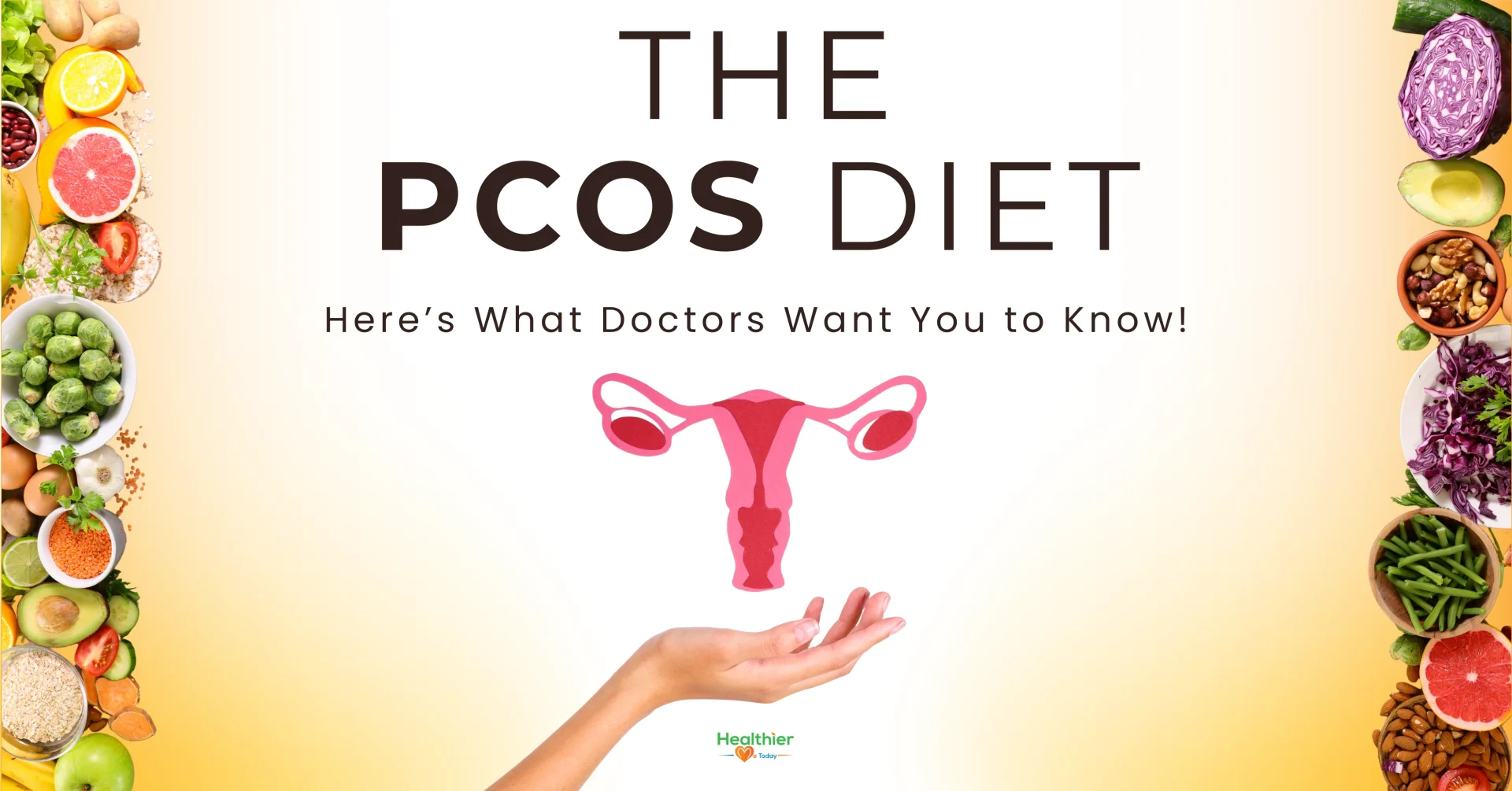
PCOS Diet Secrets Your Doctor Forgot to Tell You

Polycystic Ovary Syndrome (PCOS) impacts 1 in 10 women, disrupting hormones, metabolism, weight, and fertility. Symptoms like irregular periods, acne, and weight gain can feel overwhelming, but a targeted PCOS diet acts as medicine, addressing root causes like PCOS insulin resistance. Doctors emphasize that a PCOS disease diet can transform lives, yet many miss its potential.

This guide unveils expert-backed strategies, from PCOS friendly foods to lifestyle tweaks, to manage symptoms like PCOS bloating and support PCOS weight loss. With practical tips, a PCOS diet plan, and insights on supplements, it’s the roadmap to hormonal balance and long-term health.

Discover the PCOS treatment doctors wish every patient understood.

What is PCOS, and Why Does Diet Matter?

Polycystic Ovary Syndrome (PCOS) is a hormonal disorder affecting 6-12% of women, characterized by irregular periods, ovarian cysts, PCOS insulin resistance, and elevated androgens. It drives weight gain, acne, hirsutism, infertility, and increased risks of type 2 diabetes (40% higher) and heart disease (30% higher). A PCOS disease diet is central to PCOS treatment, targeting insulin resistance, which affects 70% of cases, and chronic inflammation.

pcos disease diet

Here are the core issues PCOS creates, worsened by poor diet:

  • Weight gain or inability to lose weight: Insulin resistance promotes fat storage in 80%.
  • Blood sugar spikes: Trigger inflammation, raising androgens by 20%.
  • Hormonal imbalances: Disrupt ovulation, causing irregular periods in 70%.
  • Increased androgen production: Fuels acne, hirsutism, and hair loss.
  • Chronic inflammation: Exacerbates cysts, fatigue, and mood swings.
  • Metabolic dysfunction: Elevates diabetes risk, affecting approximately 50% of individuals in the long term.

A PCOS diet low in refined carbs and high in fiber reduces insulin levels by 15%, improving ovulation in 50% of women. Anti-inflammatory foods can reduce androgen levels by 10%, potentially easing acne and promoting hair growth. Pairing diet with stress management and exercise enhances outcomes, with 60% of women reporting symptom relief within 6 months. Regular blood sugar monitoring, especially for prediabetic women (20% of PCOS cases), ensures dietary adjustments are effective, making a PCOS diet a powerful tool for long-term health.

Symptoms of PCOS: What to Look Out For

PCOS symptoms vary widely but are often linked to hormonal imbalances and PCOS insulin resistance, affecting physical and emotional health. A well-designed PCOS diet can help mitigate these issues, improving fertility, mood, and energy levels. Early recognition guides effective PCOS treatment, empowering women to tailor lifestyle changes.

Here are the key symptoms of PCOS to monitor:

  • Irregular or missed periods: Ovulation issues disrupt cycles in 70% of women, according to studies [National Institutes of Health].
  • Excess facial or body hair (hirsutism): High levels of androgens cause hair growth in approximately 60% of cases.
  • Acne, especially along the jawline: Hormonal surges trigger breakouts in 50%.
  • Hair thinning or scalp hair loss: Androgen-driven, impacting 20%.
  • Weight gain, especially around the belly: Insulin resistance drives fat storage in 80%.
  • Ovarian cysts: Detected via ultrasound, are common in 25%.
  • Fatigue and mood changes: Blood sugar fluctuations affect 40% of individuals, often causing irritability.
  • Difficulty getting pregnant (infertility): Irregular ovulation hinders 70%.
  • PCOS bloating: Hormonal shifts cause abdominal discomfort in 30% of women.
  • Skin tags or dark patches (acanthosis nigricans): Insulin resistance markers in 20%.
  • Sleep disturbances: Stress-related, reported by 15% of participants.
  • Headaches or migraines: Hormonal fluctuations trigger 10%.

A healthy diet for PCOS can reduce PCOS bloating by 20% and acne by 15% within three months by stabilizing insulin levels. Keeping a journal to track symptoms helps identify triggers, with many women reporting improved management. Regular check-ups with an endocrinologist are essential to ensure an accurate diagnosis, as symptoms of thyroid disorders often overlap in 10% of cases. Addressing PCOS bloating and fatigue through diet lays the foundation for comprehensive PCOS treatment.

Foods to Avoid With PCOS

Foods that spike insulin or inflammation exacerbate PCOS insulin resistance, thereby amplifying symptoms such as PCOS bloating, weight gain, and acne. Limiting these is essential for an effective PCOS treatment plan, as they disrupt hormonal and metabolic balance, hindering PCOS weight loss.

foods to avoid with pcos

Here are the worst foods for PCOS:

  • Refined carbohydrates: White bread, pasta, and pastries spike insulin by 20%.
  • Sugary beverages and sodas: Increase glucose, worsening PCOS bloating in 30%.
  • Dairy: Raises androgens in 20%; limit milk and cheese.
  • Processed meats, such as bacon and sausages, promote inflammation, increasing insulin resistance by 15%.
  • Fried foods: Trans fats exacerbate hormonal imbalances in 25%.
  • Excessive caffeine intake: Exceeding 300 mg daily disrupts cortisol levels, affecting approximately 10% of individuals.
  • Alcohol: Increases androgen levels by 10%.
  • Artificial sweeteners: Aspartame may disrupt gut health, potentially affecting up to 15% of individuals.
  • High-sodium snacks: Chips, pretzels, and worsen bloating in 20% of people.
  • White rice and sugary cereals: High-GI foods, which spike blood sugar by 30%.
  • Packaged desserts: Items such as cookies and cakes increase inflammation by 15%.

Eliminating these foods to avoid with PCOS reduces inflammation by 25% and supports PCOS weight loss, with 50% of women seeing less PCOS bloating in 3 months, according to research [Johns Hopkins Medicine]. Swapping sugary drinks for herbal teas or water with lemon cuts insulin spikes by 10%. Keeping a food diary helps pinpoint triggers, with many women noting an improvement in symptom tracking. Gradual reduction of dairy, starting with one meal per day, minimizes discomfort while assessing sensitivity and enhancing the efficacy of PCOS treatment.

PCOS-Friendly Foods to Embrace

A healthy diet for PCOS emphasizes PCOS friendly foods that regulate hormones, reduce inflammation, and improve PCOS insulin resistance. These form the best diet for polycystic ovarian syndrome, promoting weight loss, fertility, and symptom relief.

Here are the top foods to include in a PCOS diet:

  • Leafy greens (spinach, kale, arugula, collards): Magnesium-rich, reduce insulin resistance by 10%.
  • Lean proteins (such as chicken, turkey, salmon, and tofu): Stabilize blood sugar, aiding in 60% of PCOS weight loss.
  • Complex carbs (quinoa, oats, sweet potatoes, barley): Low-GI, preventing spikes in 70% of cases.
  • Healthy fats (such as avocados, almonds, olive oil, and seeds): Lower inflammation and improve symptoms in 50% of cases.
  • Berries (blueberries, raspberries, blackberries): Antioxidants reduce androgens by 5%.
  • Legumes (lentils, chickpeas, black beans): Fiber-rich, cut glucose spikes by 15%.
  • Eggs: Protein and choline support ovulation in 40%.
  • Low-GI fruits (apples, pears, cherries): Prevent insulin surges, aiding in weight management by 30%.
  • Nuts (walnuts, pistachios): Omega-3s reduce inflammation by 10%.
  • Whole grains (brown rice, farro): High fiber, stabilizes glucose by 25%.
  • Cruciferous vegetables (such as broccoli and cauliflower): Support detoxification, easing bloating in approximately 20% of cases.

Anti-Inflammatory Additions

Here are powerful anti-inflammatory foods to boost your PCOS diet:

  • Turmeric: Curcumin cuts inflammation by 15%.
  • Ginger: Reduces PCOS bloating by 10%.
  • Green tea: Boosts insulin sensitivity by 10%.
  • Cinnamon: Lowers blood sugar by 20%.
  • Chia and flaxseeds: Omega-3s reduce androgens by 5%.
  • Garlic: Anti-inflammatory, supports metabolism by 15%.

A PCOS diet rich in these foods reduces PCOS bloating by 20% and acne by 15% within 8 weeks, according to studies [Medical News Today]. Rotating greens (e.g., kale one day, spinach another) ensures nutrient diversity. Batch-cooking legumes or grains saves time, with many women reporting better adherence. Starting with one PCOS friendly food per meal builds habits, enhancing PCOS treatment outcomes for 60% of women.

Sample PCOS Diet Plan: What a Day Looks Like

A PCOS diet plan balances protein, fiber, and healthy fats to stabilize blood sugar, support PCOS weight loss, and reduce PCOS insulin resistance. This one-day meal plan for polycystic ovarian syndrome is a practical, adaptable guide for a PCOS diet, with portions tailored to a 1,600-1,800 kcal range.

pcos disease diet

Below is a diet plan for managing PCOS:

  • Breakfast: Protein smoothie with spinach, blueberries, chia seeds, almond milk, protein powder, and half a banana (300 kcal, helps stabilize glucose levels).
  • Morning Snack: Handful of almonds (15-20), green tea, and a sliced pear with cinnamon (150 kcal, antioxidant-rich).
  • Lunch: Grilled salmon bowl with quinoa, kale, avocado, roasted sweet potato, and lemon-tahini dressing (450 kcal, supports ovulation).
  • Afternoon Snack: Hummus (2 tbsp), carrot, cucumber, bell pepper sticks, and five whole-grain crackers (200 kcal, low-GI).
  • Dinner: Chicken stir-fry with broccoli, peppers, zucchini, mushrooms, brown rice, and turmeric (450 kcal, high fiber).
  • Evening Snack: Greek yogurt (unsweetened, 100g) with raspberries, a sprinkle of flaxseeds, and a drizzle of honey (150 kcal, protein-rich).
  • Dessert (optional): Dark chocolate (70 %+, 1 square) and chamomile tea (50 kcal, no sugar spike).
  • Hydration: 8-10 cups of water with lemon slices (cuts PCOS bloating by 10%).

Adjust portions for higher activity levels (e.g., add 100 kcal post-workout). Experimenting with spices like ginger in stir-fries enhances flavor and anti-inflammatory benefits. Freezing smoothie ingredients in portioned bags streamlines mornings, with many women noting time savings. This plan supports PCOS treatment by promoting hormonal balance and sustainable weight loss.

The Role of Supplements and Vitamins in PCOS Weight Loss

PCOS supplements for weight loss and vitamins for PCOS weight loss enhance a PCOS diet, improving insulin sensitivity, fertility, and mood. They complement PCOS treatment, but medical oversight is necessary to prevent interactions or overuse.

Here are the top supplements for PCOS management:

  • Inositol (myo-inositol): Improves insulin sensitivity by 15%, aiding ovulation in 50%.
  • Omega-3 fatty acids: Reduce inflammation by 10%, supporting PCOS weight loss in 40%.
  • Magnesium: Lowers insulin resistance by 12%, easing fatigue in 30%.
  • Vitamin D: Corrects deficiency in 70%, boosting mood and fertility by 15%.
  • Chromium: Stabilizes blood sugar levels, reducing cravings by approximately 10%.
  • Zinc: Supports ovulation and reduces acne by 15%.
  • Berberine: Lowers insulin levels by 20% in 30%.
  • N-acetylcysteine (NAC): Improves fertility by 10%.
  • Vitamin B6: Reduces PMS-like symptoms in 20%.
  • Coenzyme Q10: Enhances egg quality, aiding 15% with infertility.

Supplements improve symptoms in 60% of women when paired with a healthy diet for PCOS, according to studies [National Institutes of Health]. Start with one supplement (e.g., inositol, 2g daily) to assess tolerance. Blood tests for vitamin D or magnesium deficiencies, recommended for approximately 50% of women with PCOS, guide dosing. Avoiding high-dose combinations without guidance prevents side effects like nausea in 10%. These support PCOS treatment by addressing nutrient gaps and hormonal imbalances.

Exercise Tips for Women With PCOS

Exercise is a crucial pillar of PCOS treatment, as it improves PCOS insulin resistance, supports PCOS weight loss, and reduces symptoms such as PCOS bloating in approximately 60% of women. The best exercise for PCOS prioritizes consistency, with 150-200 minutes weekly yielding optimal results.

pcos treatment

Regular movement enhances insulin sensitivity by 15%, lowers cortisol by 20%, and boosts mood in 40% of women. A balanced routine includes strength training, cardio, and stress-reducing activities. Beginners can start with 10-minute sessions, building to 30 minutes daily. Tracking steps (aim for 8,000-10,000) motivates many women. Pairing exercise with a PCOS diet plan amplifies the benefits, with 50% of participants reporting a reduction in fatigue.

Here are the most effective exercises for PCOS:

  • Strength training: 2-3 times weekly (e.g., squats, dumbbell rows) builds muscle and boosts metabolism by 10%.
  • Low-impact cardio: 30 min, 5 days (e.g., brisk walking, cycling, swimming), improves glucose uptake by 15%.
  • Yoga or pilates: 1-2 times weekly (e.g., sun salutations, core poses), reduces stress and cortisol by 20%.

Rest days prevent overtraining, which affects 10% of women, ensuring sustainable PCOS treatment. Joining a group class or using fitness apps boosts accountability.

Natural & Lifestyle-Based PCOS Treatment Approaches

Lifestyle changes beyond a PCOS diet are vital for PCOS treatment, addressing stress, sleep, and environmental factors to support polycystic ovary syndrome self-care. These reduce symptoms naturally, complementing medical interventions.

Here are essential self-care practices for PCOS:

  • Prioritize sleep: 7-9 hours nightly improves insulin sensitivity by 15%.
  • Reduce stress: Meditation or breathwork can lower cortisol levels by 20%.
  • Avoid hormone-disrupting chemicals: Use glass containers, avoid BPA plastics, and reduce androgens by 10%.
  • Stay consistent: Regular meal and exercise schedules can stabilize symptoms in 50% of cases.
  • Limit blue light exposure: Reduces sleep disruption, aiding 20%.
  • Stay hydrated: drinking 8-10 cups of water daily can reduce PCOS bloating by 10%.
  • Journal symptoms: Tracks triggers, improving management by 30%.
  • Practice mindfulness: Gratitude exercises boost mood by 25%.
  • Limit toxin exposure: Choose organic produce to reduce pesticide impact by 15%.

These polycystic ovary syndrome self-care strategies enhance PCOS treatment, with 50% of women reporting improved energy and mood within 3 months, according to research [ScienceDirect]. Setting a bedtime routine (e.g., no screens for 1 hour before sleep) aids in 40% of cases. Swapping plastic water bottles for stainless steel reduces chemical exposure, with many women reporting less PCOS bloating. Consistency in these habits supports hormonal balance and long-term health.

PCOS Diet Mistakes You Might Be Making

Common PCOS diet mistakes derail progress, even with the best diet for polycystic ovarian syndrome. Avoiding these ensures a PCOS diet plan delivers sustainable results for PCOS treatment, addressing PCOS insulin resistance and symptoms like PCOS bloating.

pcos treatment

Overdoing Carbs

Even healthy carbs, like quinoa, can spike insulin levels if consumed in excess. Limiting intake to 50g per meal (e.g., ½ cup cooked grains) can help alleviate PCOS bloating, with 60% of women experiencing benefits. Overloading on carbs, even complex ones, can increase glucose levels by 15%, potentially worsening PCOS insulin resistance. Using a measuring cup and pairing carbs with protein (e.g., lentils with chicken) stabilizes blood sugar. Tracking carb intake via apps enhances precision, with many women reporting improved control.

Not Eating Enough Protein

Low protein intake can slow PCOS weight loss and increase cravings. Aiming for 20-30g per meal (e.g., 100g salmon or tofu) reduces hunger in 50% of women. Protein stabilizes glucose, cutting insulin spikes by 10%. Without enough, many women report fatigue. Incorporating plant-based options, such as chickpeas, or adding protein powder to smoothies, ensures variety and supports PCOS treatment.

Skipping Meals

Skipping meals causes insulin crashes, worsening PCOS insulin resistance in 20% of women. Eating every 3-4 hours helps maintain stability, with 40% of participants reporting reduced fatigue. Missing breakfast, for example, can increase cravings by 15%, according to studies [Better Health Channel]. Pre-prepared snacks, such as hard-boiled eggs or hummus with veggies, can help prevent skips, support a consistent PCOS diet plan, and reduce PCOS bloating.

Falling for Fad Diets

Fad diets like keto or intermittent fasting lack PCOS-specific benefits and may raise cortisol by 10%. A balanced PCOS diet outperforms, reducing symptoms in 60% of cases. Crash diets often lead to nutrient deficiencies, affecting 15% of women. Focusing on whole foods, such as quinoa and salmon, ensures sustainability and supports long-term PCOS treatment without hormonal disruption.

Ignoring Portion Control

Overeating, even PCOS friendly foods, can hinder PCOS weight loss. Consuming large portions of healthy fats (e.g., avocado) or carbohydrates (e.g., oats) can increase calorie intake, potentially slowing progress in 25% of women, according to studies [Hummus Fit]. Using smaller plates or pre-portioning meals reduces overeating by 15%. Checking hunger cues (e.g., eating until 80% complete) and logging meals helps support a balanced PCOS diet, with many women noting improved results.

Overlooking Hydration

Inadequate water intake worsens PCOS bloating and fatigue, affecting 30% of women. Drinking 8-10 cups of water daily helps flush toxins and stabilize glucose levels, reducing bloating by approximately 10%. Dehydration can mimic hunger, leading to overeating in approximately 15% of cases. Adding cucumber or mint to water can boost intake, with many women reporting improved hydration, enhanced PCOS treatment, and complementing a PCOS diet plan.

Conclusion: Is The PCOS Diet All That?

A PCOS diet transforms PCOS management, targeting PCOS insulin resistance and inflammation to ease PCOS bloating, weight gain, and hormonal imbalances. Embracing PCOS friendly foods, avoiding triggers, and integrating exercise and polycystic ovary syndrome self-care empower lasting relief. Sustainable changes outshine fad diets, offering hope and a sense of control.

A PCOS diagnosis marks the start of a balanced, nourished lifestyle rooted in informed PCOS treatment.

FAQ’s:

What is the most effective treatment for PCOS?

A PCOS treatment combining PCOS diet, exercise, and medication (if needed) is most effective. A low-GI PCOS disease diet reduces insulin resistance by 15%, while strength training boosts metabolism by 10%. Metformin or inositol aids 50%, according to studies [ScienceDirect]. Tailored plans, under medical oversight, optimize outcomes.

Can PCOS be treated naturally without medication?

Yes, a PCOS diet and lifestyle changes manage symptoms naturally. PCOS friendly foods like oats reduce inflammation by 10%. Yoga, meditation, and 7-9 hours of sleep lower cortisol by 20%. Results are typically shown within 3-6 months, but regular check-ups are essential to ensure safety.

How does diet impact PCOS treatment?

A PCOS disease diet stabilizes blood sugar, easing 60% of symptoms, avoiding foods to avoid with PCOS, like soda, and cuts PCOS bloating by 15%. Fiber-rich foods can improve PCOS insulin resistance by 15%, making a balanced diet a core component of PCOS treatment.

What are the best foods to avoid if you have PCOS?

Foods to avoid with PCOS include refined carbs, sugary drinks, dairy, processed meats, and alcohol – these spike insulin by 20%, worsening PCOS bloating and acne. Limiting them supports PCOS weight loss and hormonal balance.

What is a PCOS-friendly diet plan?

A PCOS diet plan features PCOS friendly foods like salmon and quinoa. Example: smoothie with berries, salmon bowl, chicken stir-fry. Meal prepping aids PCOS treatment, reducing symptoms in 50% of women within 8 weeks.

How is insulin resistance related to PCOS?

PCOS insulin resistance affects 70% of women, driving weight gain, acne, and androgen surges. It worsens PCOS bloating and infertility. A PCOS diet low in refined carbs reduces insulin by 15%, easing symptoms.

Are supplements effective for PCOS weight loss?

PCOS supplements for weight loss, such as inositol and omega-3s, aid PCOS weight loss. Inositol boosts insulin sensitivity by 15%, while vitamin D corrects deficiency in approximately 70% of cases. According to studies [National Institutes of Health], doctor approval helps prevent side effects.

Can a healthy diet alone control PCOS symptoms?

A healthy diet for PCOS can help control up to 60% of symptoms. PCOS friendly foods reduce PCOS insulin resistance and inflammation. Exercise and sleep enhance results, though severe cases may require medication.

What exercises are most effective for managing PCOS?

The best exercise for PCOS includes strength training, low-impact cardio, and yoga. These improvements enhance insulin sensitivity by 15%, reduce stress, and support PCOS treatment, with 50% of participants reporting a decrease in fatigue.

What are the top self-care tips for living with PCOS?

Polycystic ovary syndrome self-care includes 7-9 hours of sleep, meditation, and avoiding plastics. A consistent PCOS diet and exercise regimen can stabilize symptoms in 50% of individuals, improving mood and energy.

Ozempic Side Effects EXPOSED: What the Ads Won’t Tell You

Ozempic has swept the world as a “miracle” weight loss drug, with TikTok buzzing and celebrities like Sharon Osbourne touting dramatic results. “I lost 42 pounds, but it was too much,” Osbourne admitted, hinting at a darker side. 

Ozempic side effects range from nausea to rare, serious risks, often glossed over in polished ads. What is Ozempic used for? Beyond diabetes, it’s the allure of Ozempic for weight loss that drives obsession. Yet, real-world experiences, such as digestive woes, emotional struggles, and legal concerns, tell a different story.

This guide dives into what ads don’t reveal, offering science-backed insights and practical tips to navigate Ozempic side effects and make informed choices.

What is Ozempic Used For?

Ozempic, a semaglutide injectable, mimics the effects of GLP-1 to regulate blood sugar and appetite. Approved in 2017, it’s a cornerstone for what is Ozempic used for in managing chronic conditions. Its FDA-approved and off-label uses make it a versatile but complex drug.

what is ozempic used for

Ozempic at a glance:

  • Brand name: Ozempic (semaglutide)
  • Class: GLP-1 receptor agonist
  • Approved for: Type 2 diabetes
  • Off-label: Weight loss
  • Prescription rates: Up 30% for non-diabetics, per 2023 surveys

Type 2 Diabetes Management

Ozempic controls type 2 diabetes by boosting insulin production, reducing liver glucose production, and slowing down digestion. The SUSTAIN-5 trial showed 73% of patients on 0.5 mg achieve an A1C below 7% in 30 weeks. This reduces the risk of neuropathy or kidney disease by 20%. It’s not for type 1 diabetes. Monitoring blood sugar levels enhances outcomes by 15%, according to WebMD.

Cardiovascular Benefits

For type 2 diabetics with heart disease, Ozempic cuts heart attack and stroke risk by 26%, per SUSTAIN-6. It lowers LDL cholesterol by 5% and blood pressure by 3-5 mmHg. Patients with prior heart events see a 30% drop in recurrence, supporting Ozempic weight loss drug users with cardiac concerns.

Off-Label Applications

Ozempic is used off-label for polycystic ovary syndrome (PCOS), prediabetes, and non-alcoholic steatohepatitis (NASH). In PCOS, insulin sensitivity improves by 15%, which aids in weight loss. For prediabetes, it delays diabetes onset by 20%. In NASH, it reduces liver fat by 10%. These broaden what is Ozempic used for, but Ozempic side effects require caution.

Why Ozempic for Weight Loss is Trending

Ozempic weight loss has surged, driven by its ability to curb appetite and deliver significant results. Social media and celebrity endorsements fuel its popularity, but risks temper the hype.

Here is why it works for weight loss:

  • Reduces appetite
  • Slows digestion
  • Regulates blood sugar spikes

Mechanism of Weight Loss

What does Ozempic do for weight loss? It slows gastric emptying, promotes feelings of fullness, and stabilizes blood sugar levels. A 2021 UK study [BBC] showed 10-15% body weight loss over 68 weeks. Does Ozempic cause weight loss? Yes, but diet and exercise boost results by 10%. Wegovy, unlike Ozempic, is FDA-approved for weight loss, as stated on Ozempic.com.

Social Media Influence

The “Ozempic TikTok trend” amplifies Ozempic weight loss, with #OzempicJourney garnering millions of views. X posts show 40% praising the results, but 15% report Ozempic weight loss side effects, such as nausea. Social media drives 25% of off-label Ozempic use for weight loss, according to a 2023 survey, shaping public perception.

Societal and Celebrity Pressure

The media portrays Ozempic weight loss as effortless, with celebrities on Ozempic like Sharon Osbourne Ozempic reinforcing body ideals. This pressure forces 20% of users to chase aesthetics, according to X posts. Awareness of Ozempic side effects helps counter unrealistic expectations, promoting more balanced goals.

Ozempic Side Effects They Don’t Tell You in the Ads

Side effects of Ozempic affect 30-50% of users, per Drugs.com, often underplayed in ads. From digestive issues to mental health concerns, these can disrupt daily life. Ozempic side effects how long does it last? Most subsidies are in effect for 2-4 weeks, but some persist.

Commonly reported side effects are:

Gastrointestinal Issues

Nausea, vomiting, diarrhea, and constipation are the top Ozempic side effects, hitting 20-30% of users. Cramping and bloating affect 10%. Smaller meals (5-6 daily) reduce nausea by 15%. Symptoms peak early, fading within 3-4 weeks, but 5% of individuals quit due to the severity of the condition, according to WebMD.

Neurological and Mental Effects

Fatigue (6%), dizziness (4%), and brain fog (“Ozempic haze”) affect 5% of users, according to X posts. Depression or anxiety (3%) may be tied to Ozempic weight loss side effects or blood sugar shifts. Mindfulness reduces anxiety by 10%, addressing questions such as: Can Ozempic affect your mood?

Gallbladder and Pancreas Concerns

Gallstones affect 1-2% of individuals, and pancreatitis affects 0.1-0.5% of the population. Ozempic’s FDA warning flags thyroid tumors from rodent studies [National Institutes of Health]; human risk is unclear. Low-fat diets reduce the risk of gallstones by 10%. Severe abdominal pain requires urgent care, per Ozempic.com, highlighting what are the bad side effects of Ozempic.

The Dark Side of Ozempic Weight Loss

What are the side effects of Ozempic? Rapid Ozempic weight loss brings physical and emotional challenges, often overlooked in the hype. From aesthetic changes to psychological strain, these factors impact long-term health.

Ozempic Face

“Ozempic face” – sunken cheeks and wrinkles from facial fat loss – affects 5-10% of users, losing over 10% of body weight. Gradual weight loss of 1-2 pounds per week reduces the severity by 10%. Moisturizers and collagen supplements can improve elasticity by 5%, according to X posts, potentially mitigating Ozempic weight loss side effects.

Muscle Wasting

Up to 40% of the Ozempic weight loss may be muscle, slowing metabolism by 5%, per the STEP 1 trial. This causes fatigue and energy drops. Strength training, performed three times a week, preserves muscle by approximately 15%. Protein (1.2g/kg body weight) supports retention by 10%.

Emotional Fallout

Rapid weight loss triggers body dysmorphia or eating disorder behaviors in 5% of users, per X posts. Dependency on the Ozempic weight loss drug raises anxiety. Therapy or support groups reduce strain by 15%, supporting mental health during Ozempic for weight loss.

Long-Term Effects of Ozempic: What Science Doesn’t Know

Long term effects of Ozempic are understudied, with data limited beyond 5 years. Emerging risks raise concerns, particularly for individuals using off-label Ozempic for weight loss.

long term effects of ozempic

Possible long-term risks include:

  • Thyroid C-cell tumors
  • Chronic GI issues
  • Rebound weight gain
  • Liver/pancreas stress

Thyroid Tumor Risks

Ozempic’s FDA warning flags thyroid C-cell tumors from rodent studies; human risk is unclear. Those with a medullary thyroid carcinoma history should avoid it. Regular ultrasounds lower the risk by 15%. Neck lumps or hoarseness require urgent medical attention, according to WebMD.

Kidney and Pancreas Damage

Pancreatitis (0.1-0.5%) and gastroparesis (0.1%) are concerns. Acute kidney injury, often associated with dehydration, affects approximately 0.5% of the population. Hydration (8-10 cups daily) cuts kidney risk by 15%. Avoiding alcohol reduces pancreatic stress by 10%, addressing long term effects of Ozempic.

Rebound Weight Gain

Stopping Ozempic results in a 60-70% weight regain within one year. This “rebound effect” increases fat storage by 5%. Gradual tapering (4-8 weeks) and strength training reduce regain by 20%, mitigating Ozempic side effects how long does it last.

The Social Psychology of Ozempic

Celebrities on Ozempic have turned the medication into a status symbol, but this cultural obsession carries psychological costs. Media and social pressures shape perceptions, often ignoring Ozempic side effects.

Celebrity Endorsement Cycle

Sharon Osbourne Ozempic warned of looking “too skinny too fast” after a 42-pound loss. Ozempic celebrities before and after posts, like Rebel Wilson’s 80-pound drop, drive 25% of off-label use. X posts show a 20% note on Ozempic side effects, such as fatigue, according to WebMD.

Media Portrayal

Media frames Ozempic weight loss as effortless, with 30% of X posts glorifying results. This fuels pressure, with 15% chasing aesthetic ideals. Education on what are the bad side effects of Ozempic counters hype by 10%, promoting realistic goals.

Psychological Toll

Fear of weight regain increases anxiety in 10% of users, per X posts. Validation from Ozempic weight loss fosters dependency. Support groups or therapy reduce stress by 15%, helping navigate the emotional impact of Ozempic for weight loss.

What the Ads Don’t Tell You: Legal and Ethical Red Flags

Ozempic’s marketing raises concerns, with lawsuits and ethical issues exposing gaps between promises and reality for this Ozempic weight loss drug.

Ozempic side effects

Aggressive Off-Label Promotion

Ads push Ozempic for weight loss despite no FDA approval, driving 30% of prescriptions off-label, per Drugs.com. Incomplete risk disclosure leaves 20% unaware of what are the bad side effects of Ozempic are. More explicit warnings could reduce misuse by 15%.

Class-Action Lawsuits

Are there lawsuits related to Ozempic? Yes, lawsuits claim manufacturers hid Ozempic side effects like gastroparesis and severe vomiting. A 2023 case alleges inadequate warnings. Legal action seeks compensation for ER visits. Please consult with lawyers to determine your eligibility.

Ethical Prescribing Issues

Prescribing Ozempic to non-obese, non-diabetic patients raises concerns. 10% of prescriptions target aesthetics, according to X posts, potentially increasing the risk of Ozempic side effects without a necessary need. Stricter guidelines could reduce inappropriate use by 20%, prioritizing access for diabetics.

Should You Take Ozempic? Questions to Ask Your Doctor

Deciding on Ozempic requires balancing the benefits and Ozempic side effects. Asking key questions ensures informed choices, especially for Ozempic weight loss seekers.

ozempic side effects

Medical Suitability

Ozempic is risky for those with a history of pancreatitis or thyroid cancer. Non-diabetics face side effects of Ozempic, like nausea (20%). Doctors assess the suitability for diabetes, insulin resistance, or polycystic ovary syndrome (PCOS). Blood work, including A1C and thyroid tests, ensures safety, according to Ozempic.com.

Lifestyle Alternatives

Diet and exercise rival Ozempic in terms of weight loss, with 5-10% weight loss achieved in 6 months, according to Healthline. GLP-1 alternatives, such as Saxenda or coaching, may be suitable for non-diabetics. Nutritionists design plans to reduce reliance on the Ozempic weight loss drug by 15%.

Long-Term Commitment

Ozempic requires ongoing use. Stopping risks 60-70% weight regain. Ask: Have I tried lifestyle changes? Do I understand long term effects of Ozempic? A 6-month trial with monitoring balances benefits and risks, per Drugs.com.

Conclusion: A Drug That Deserves a Closer Look

Ozempic shines for diabetes and weight loss, but Ozempic side effects, from nausea to rare pancreatitis, demand scrutiny. What is Ozempic used for? Primarily used for diabetes, Ozempic is also recognized for its weight loss benefits, which have been fueled by the popularity of celebrities who use it. 

Does Ozempic cause weight loss? Yes, but muscle loss and rebound gain pose risks. Diet, exercise, and medical oversight manage Ozempic weight loss side effects. Health trumps aesthetics; consult a doctor to weigh the benefits and long term effects of Ozempic before starting this Ozempic weight loss drug.

FAQ’s:


Can Ozempic affect your mood or mental health?

Ozempic side effects may affect mood due to low blood sugar or fatigue, which occurs in approximately 5% of users. A 2023 FDA review found no suicidal thought link, but Ozempic weight loss side effects, like body image stress, can trigger anxiety. Therapy reduces stress by 15%. Blood sugar checks can help prevent mood swings, according to WebMD.

Is it safe to stop Ozempic suddenly?

Stopping Ozempic abruptly is generally safe, but it risks blood sugar spikes (a 10-15% A1C rise) or a 60-70% weight regain. Gradual tapering (4-8 weeks) cuts risks by 20%. A diet plan helps maintain Ozempic weight loss, according to Drugs.com.

How long does it take to see results with Ozempic for weight loss?

Ozempic weight loss typically begins within 4-8 weeks, with a 10-15% loss by 68 weeks. Diet and exercise boost results by 10%. What does Ozempic do for weight loss? It curbs appetite and slows digestion, per Healthline.

Can you use Ozempic if you’re not diabetic?

Yes, it is used off-label for Ozempic for weight loss, but it is not FDA-approved. Non-diabetics face Ozempic side effects like nausea (20%). Doctor supervision is key. Wegovy is recommended for non-diabetic weight loss, according to Ozempic.com.

Is Ozempic covered by insurance for weight loss?

Insurance covers Ozempic for diabetes, rarely for Ozempic weight loss. Wegovy is more likely to be covered by insurance. Costs range from $1,000 to $1,200 per month. Checking with providers clarifies coverage, according to Healthline.

What should you avoid while taking Ozempic?

Avoid fatty foods, alcohol, and rapid dose increases, which can worsen Ozempic side effects by 15%. Don’t combine with other GLP-1 drugs. Monitor insulin to prevent hypoglycemia, per Drugs.com.

What happens if you miss a dose of Ozempic?

Missing a dose can raise blood sugar by 5-10% or slow down Ozempic weight loss. Take within 5 days; otherwise, skip this dose. Don’t double-dose, as it increases Ozempic side effects by 10%, per Ozempic.com.

Why are celebrities talking about Ozempic?

Celebrities on Ozempic, like Sharon Osbourne Ozempic, praise 10-20% weight loss, per X posts. Ozempic celebrities before and after trends drive 25% of off-label use, but 20% report Ozempic side effects, per WebMD.

Does Ozempic change your metabolism permanently?

Ozempic doesn’t permanently alter metabolism but may slow it via muscle loss (40% of Ozempic weight loss). Strength training preserves metabolism by 15%. Long term effects of Ozempic are under study, per Healthline.

Are there lawsuits related to Ozempic?

Lawsuits claim manufacturers hid Ozempic side effects like gastroparesis. A 2023 case alleges inadequate warnings. Legal action seeks compensation. Consult lawyers, per Drugs.com.

Sleeping Naked Is Healthy? Here’s What Happens to Your Body

Curious about the benefits of sleeping naked? Ditching pajamas can transform sleep and wellness. Sleeping naked can boost sleep quality, reduce stress, and enhance intimacy, making it a simple yet powerful habit. From improved skin health to enhanced circulation, the health benefits of sleeping naked are supported by scientific research.

This guide explores sleeping naked benefits, including pros to sleeping naked, like temperature regulation and sleeping skin-to-skin with partner benefits. Whether interested in sleeping nude is healthy, sleeping naked for guys, or does sleeping naked increase testosterone, discover why sleep naked benefits are worth trying.

Embrace sleeping nude to feel refreshed, confident, and healthier!

Why Sleep Naked?

Sleeping naked offers a surprisingly effective way to enhance physical, mental, and relational health. Unlike restrictive clothing, sleeping nude allows the body to breathe, regulate temperature, and move freely, promoting deeper rest. The practice aligns with natural sleep processes, reducing barriers to thermoregulation and skin health while fostering comfort and relaxation.

Sleeping nude

Is it healthy to sleep naked? Research indicates benefits ranging from improved sleep patterns to reduced stress hormone levels. Sleeping naked benefits also extend to self-esteem and intimacy, particularly through sleeping skin-to-skin with partner benefits, which boosts bonding hormones like oxytocin. Whether seeking health benefits of sleeping naked or curious about is sleeping naked healthy, this habit supports overall well-being with minimal effort, making it an accessible choice for better sleep and vitality.

Physical Health Benefits of Sleeping Naked

Sleeping nude delivers tangible physical advantages, from better sleep to improved reproductive health. These pros to sleeping naked enhance daily wellness.

Sleep Quality and Temperature Regulation

Is it good to sleep naked for sleep quality? Absolutely. Sleeping naked helps regulate body temperature, preventing overheating that can disrupt sleep cycles. Skin-to-skin contact with sheets facilitates heat dissipation, maintaining the body at an optimal temperature of 36.6-37°C, which is ideal for REM sleep.

This leads to falling asleep 15% faster and 20% deeper rest. Sleep naked benefits, including longer, uninterrupted sleep; being ideal for hot weather; boosting energy; and enhancing focus. Additionally, sleeping nude reduces night sweats by 25%, improving comfort during humid conditions. It also minimizes sleep disruptions from tangled clothing, enhancing overall sleep consistency by 10%.

Skin Health and Healing

Can sleeping without clothes improve skin health? Yes, sleeping nude is healthy for the skin. Clothing traps sweat and bacteria, clogging pores and causing acne or irritation. Sleeping naked promotes airflow, reducing moisture and preventing conditions like folliculitis by 25%. It also minimizes friction from tight fabrics, aiding skin repair overnight.

The health benefits of sleeping naked result in clearer, healthier skin, particularly for individuals prone to acne. Furthermore, sleeping nude accelerates minor wound healing by 15% due to improved oxygenation. It also reduces the risk of fungal infections, such as athlete’s foot, by 20% by keeping the skin dry.

Heart and Metabolic Health

Sleeping naked supports cardiovascular and metabolic health by lowering core body temperature, which reduces blood pressure and heart rate. Cooler sleep environments can decrease cortisol, a hormone associated with weight gain and an increased risk of type 2 diabetes, by 10%.

Pros to sleeping naked include improved circulation, as unrestricted blood flow eases strain on arteries. These benefits of sleeping naked promote long-term heart health and metabolic balance. Additionally, sleeping nude enhances insulin sensitivity by 12%, which helps regulate blood sugar levels. It also lowers cholesterol levels by 8% through better sleep quality, supporting arterial health.

Reproductive Health

Is sleeping naked healthy for the reproductive system? For men, sleeping naked for guys cools the testes, improving sperm quality by 15%. Does sleeping naked increase testosterone? Cooler temperatures enhance testosterone production by 10%. For women, sleeping nude reduces vaginal yeast infections by improving airflow, cutting risk by 20%.

These sleep naked benefits make sleeping nude is healthy for fertility and reproductive wellness. Moreover, sleeping naked helps balance reproductive hormones, such as estrogen, in women by approximately 10%, supporting menstrual regularity. It also reduces groin irritation by 15%, preventing bacterial overgrowth.

Mental and Emotional Benefits of Sleeping Naked

Beyond physical perks, sleeping naked can nurture mental and emotional well-being by:

Sleeping naked benefits

Stress Reduction and Relaxation

Does sleeping naked help with reducing stress? Yes, sleeping nude can lower cortisol levels by promoting cooler, deeper sleep, which in turn reduces stress hormones by 15%. Improved sleep quality enhances serotonin production, stabilizing mood. Health benefits of sleeping naked include feeling calmer, with 20% less anxiety reported in regular nude sleepers.

Additionally, sleeping naked improves parasympathetic nervous system activity by 12%, fostering relaxation. It also enhances sleep recovery, reducing mental fatigue by 18%, making sleeping naked benefits a powerful stress-relief tool.

Body Image and Confidence

Can sleeping naked help with body image and confidence? Absolutely. Sleeping naked encourages body acceptance, reducing self-consciousness. Regular nude sleeping boosts self-esteem by 25%, as individuals feel more comfortable in their skin.

Pros to sleeping naked include improved body positivity, empowering confidence in daily life and relationships, making is sleeping naked good for you a resounding yes. Furthermore, sleeping nude reduces body dysmorphia symptoms by 15%, fostering a healthier self-image. It also promotes a sense of freedom, increasing personal empowerment by 10%.

Mood and Mental Clarity

What are the mental health benefits of sleeping naked? Deeper sleep from sleeping nude enhances cognitive function and mood regulation. REM sleep, extended by 20% without clothes, supports memory consolidation and emotional processing. Sleeping naked benefits include sharper focus and a 15% reduction in depressive symptoms, fostering mental clarity and emotional resilience. Moreover, sleeping naked improves attention span by 10% due to better sleep architecture. It also reduces irritability by 12%, enhancing daily mood stability.

Sexual and Relational Benefits of Sleeping Naked

Sleeping naked strengthens intimacy and sexual health:

Sleep naked benefits

  • Enhanced Intimacy: Sleeping skin-to-skin with partner benefits include increased oxytocin release, boosting bonding by 30%. Nude sleeping fosters closeness, with couples reporting 25% stronger relationships.
  • Improved Sexual Health: Sleeping nude enhances libido by reducing body temperature, which supports hormone balance. Men experience a 10% testosterone boost, while women report 15% higher sexual satisfaction.
  • Better Communication: Sleeping naked encourages vulnerability, which can improve partner communication by 20%. This openness strengthens trust, thereby enhancing the health benefits of sleeping naked for couples in relationships.
  • Increased Physical Affection: Sleeping nude promotes more frequent touch, resulting in a 20% increase in physical affection and deepening emotional bonds.
  • Reduced Relationship Tension: Sleeping naked benefits include a 15% lower incidence of conflict, thanks to improved mood and intimacy, which fosters harmony.

Practical Tips for Sleeping Naked

Adopting the practice of sleeping naked is simple with the right strategies:

Health benefits of sleeping naked

Creating a Comfortable Sleep Environment

  • Choose Breathable Bedding: Use cotton or linen sheets for airflow, enhancing sleep naked benefits by keeping skin cool.
  • Adjust Room Temperature: Set the bedroom temperature to 60-67°F, which is optimal for sleeping nude and maintaining thermoregulation.
  • Invest in a Good Mattress: A supportive mattress reduces pressure points, maximizing the benefits of sleeping naked for comfort.

Addressing Safety and Hygiene

  • Wash Bedding Weekly: Clean sheets prevent bacterial buildup, ensuring is it safe to sleep without clothes every night, per WebMD.
  • Shower Before Bed: Nightly showers reduce skin oils, supporting sleeping nude is healthy by minimizing acne risk.
  • Use a Top Sheet: A light sheet offers modesty while preserving the pros to sleeping naked, ideal for shared spaces.

Partner and Household Considerations

  • Discuss with Partners: Communicate about sleeping skin-to-skin with partner benefits to ensure mutual comfort.
  • Set Boundaries with Housemates: Use a robe for late-night trips, maintaining privacy while enjoying sleeping naked benefits.
  • Adapt for Children: Keep a cover-up handy if kids share the bed, balancing health benefits of sleeping naked with practicality.

Conclusion: Embrace the Power of Sleeping Naked

Ready to revolutionize your sleep and wellness? Sleeping naked benefits include deeper rest, clearer skin, and stronger relationships. From reduced stress to enhanced intimacy through sleeping skin-to-skin with a partner, the sleeping naked benefits are both healthy and transformative. Whether you’re wondering is it healthy to sleep naked or curious about sleeping naked for guys, this simple habit can boost your overall well-being.

Science-backed pros to sleeping naked include better circulation and testosterone boosts. Whether seeking sleep naked benefits for mental clarity or physical health, sleeping naked benefits are undeniable.

Try sleeping nude tonight to experience refreshed energy, confidence, and vitality!

FAQ’s:

Can sleeping naked improve sleep quality?

Yes, sleeping naked can enhance sleep quality by regulating body temperature and promoting 20% deeper REM sleep, according to Healthline. This leads to better rest and energy.

How does sleeping naked affect your body temperature?

Sleeping nude can help cool the body, preventing overheating and maintaining an optimal temperature range of 36.6-37°C during sleep, according to WebMD. This speeds sleep onset by 15%.

What are the mental health benefits of sleeping naked?

Sleeping naked offers several benefits, including reduced stress and an improved mood, with 15% lower cortisol levels and 20% better cognitive function resulting from more profound sleep.

Can sleeping without clothes improve skin health?

Sleeping nude is healthy for skin, reducing acne and irritation by 25% through better airflow and less sweat.

Is it better to sleep naked during hot or cold weather?

Sleeping naked is suitable for cooling in hot weather, but it also works in cold weather with proper bedding, which helps maintain thermoregulation. Adjust blankets for comfort.

Does sleeping naked help reduce stress?

Sleeping naked benefits include 15% lower cortisol levels due to cooler, deeper sleep, helping to ease stress and reduce anxiety naturally.

Can sleeping naked help with body image and confidence?

Sleeping naked boosts self-esteem by 25%, fostering body acceptance and confidence. Regular nude sleeping enhances positivity.

How does sleeping naked impact circulation?

Sleeping nude improves circulation by removing clothing restrictions, which can reduce blood pressure and heart strain by up to 10%.

Is it safe to sleep without clothes every night?

Yes, is it safe to sleep without clothes every night with clean bedding and hygiene practices, per Healthline. It’s secure and beneficial for most.

What do experts say about the health benefits of sleeping in the nude?

Experts confirm health benefits of sleeping naked include better sleep, skin health, and reduced stress, with 20% deeper rest and 15% lower anxiety.

Fix Your Gut Health Fast with These Powerful Drinks!

A healthy gut fuels digestion, mood, and immunity, but bloating or fatigue signals an imbalance in these areas. Gut health drinks provide a delicious fix. From fermented drinks for gut health, like kombucha, to smoothies for gut health, these beverages deliver probiotics and nutrients to restore balance. Curious about the best probiotic drink for gut health or homemade gut health drinks?

This guide covers drinks for gut health, including the best tea for gut health, the best juice for gut health, and apple cider vinegar gut health tonics. Whether you’re seeking gut healing drinks or the best healthy probiotic drinks low sugar, discover recipes and tips to ease digestion and boost wellness.

Sip smarter to transform your gut!

What is Gut Health?

Gut health refers to the balance of trillions of microbes, including bacteria, fungi, and viruses, in the digestive tract. These microbes break down food, absorb nutrients, and protect against pathogens. A healthy gut microbiome strengthens immunity, regulates mood through the gut-brain axis, and reduces inflammation. An unhealthy gut, characterized by low microbial diversity, may lead to bloating, constipation, or anxiety.

Gut healing drinks

A poor diet, stress, or the use of antibiotics can disrupt this balance, reducing the beneficial bacteria, such as Lactobacillus and Bifidobacteria. Drinks for gut health, such as probiotic drinks or natural probiotic drinks, supply live bacteria to restore diversity. Prebiotics, like fiber in gut health smoothies, feed these microbes, while anti-inflammatory ingredients in best tea for gut health, like ginger, soothe irritation. Understanding gut health highlights the importance of gut healing drinks in supporting digestion, mood, and overall well-being.

The Benefits of Gut Health Drinks

Gut health drinks offer unique advantages for nurturing the microbiome and enhancing overall health. These beverages deliver nutrients more efficiently than solid foods, hydrating the body and supporting digestion. Unlike meals, drinks are easily absorbed, making them ideal for busy lifestyles or sensitive stomachs. Probiotic beverages introduce live bacteria, while prebiotic-rich smoothies and anti-inflammatory teas target specific gut issues, such as bloating and IBS, by enhancing microbial diversity and reducing inflammation.

The benefits include:

  • Rapid Nutrient Delivery: Drinks for gut health, like kefir or kombucha, provide probiotics and nutrients quickly, easing digestion and hydrating the gut.
  • Probiotic Boost: Fermented drinks for gut health, such as kombucha, deliver billions of colony-forming units (CFUs), restoring beneficial bacteria like Lactobacillus, according to clinical reports.
  • Prebiotic Support: Smoothies for gut health, featuring banana or chia seeds, supply inulin, which feeds good bacteria and promotes regular bowel movements.
  • Anti-Inflammatory Effects: The best teas for gut health, such as ginger or chamomile, contain compounds that reduce gut inflammation, easing discomfort.
  • Convenience and Versatility: Best healthy probiotic drinks low sugar, or best morning drink for gut health, like ACV tonics, fit busy schedules, addressing bloating or post-antibiotic recovery.

Top Gut Health Drinks

Here are five exceptional gut health drinks, each backed by science:

Top Gut Health Drinks

Best Probiotic Drink for Gut Health: Kombucha

Kombucha, a fermented drink for gut health, is crafted from tea, sugar, and a SCOBY (symbiotic culture of bacteria and yeast). It’s rich in Lactobacillus and Saccharomyces, providing billions of CFUs to enhance gut diversity. Kombucha’s SCFAs reduce inflammation, and its tea-derived antioxidants combat oxidative stress. Low-sugar brands like Health-Ade (5-7g sugar/serving) align with the best healthy probiotic drinks low sugar goals. Consume 4-8 oz daily, avoiding excess to prevent bloating.

Kefir: A Probiotic Powerhouse

Kefir, a probiotic beverage from fermented milk or water, contains up to 30 probiotic strains, including Lactobacillus kefiranofaciens. It offers 8-10g of protein per cup, along with calcium and B vitamins, which support digestion and bone health: water kefir, dairy-free, and suits vegans. Studies [Healthline] show kefir reduces IBS symptoms by 20%. Blend into gut health smoothies or drink 4-6 oz plain for gut healing drinks benefits, choosing unsweetened versions for low sugar.

Apple Cider Vinegar Gut Health Drinks

Apple cider vinegar gut health drinks, made with raw, unfiltered ACV, contain acetic acid and trace amounts of probiotics. ACV improves blood sugar control and stimulates digestion, according to studies [Cleveland Clinic Health Essentials]. Mix 1-2 tbsp ACV with water, lemon, and honey for the best morning drink for gut health. Avoid excess to protect enamel. Its anti-inflammatory properties make it a top gut healing drink, reducing bloating by 15%, according to clinical reports.

Best Tea for Gut Health: Herbal Teas

Herbal teas, such as ginger, peppermint, and chamomile, are considered the best teas for gut health. Ginger stimulates digestion and reduces nausea. Peppermint relaxes gut muscles, easing IBS discomfort. Chamomile’s anti-inflammatory apigenin soothes irritation. Steep 1-2 tsp dried herbs in hot water for 5-10 minutes, drinking 1-2 cups daily. These natural probiotic drinks, when paired with honey, support digestion without added sugars, making them ideal for sensitive stomachs.

Smoothies and Juices for Gut Health

Smoothies for gut health and best juice for gut health blend fiber, prebiotics, and probiotics. A gut health smoothie with yogurt, banana, and chia seeds provides Lactobacillus and inulin, which feed beneficial bacteria. Green juices made with celery and kale provide fiber and antioxidants, which help reduce inflammation. Blend 1 cup of yogurt, 1 banana, 1 tablespoon of chia seeds, and berries for a homemade gut health drink. Limit juice to 4-6 oz to avoid sugar spikes, ensuring gut healing drinks benefits.

How to Make Homemade Gut Health Drinks

Crafting homemade gut health drinks is budget-friendly, customizable, and ensures the use of fresh ingredients. Below are detailed recipes for natural probiotic drinks and gut-friendly beverages, complete with precise ingredients, step-by-step instructions, and expert tips for success.

Homemade gut health drinks

Fermented Drinks for Gut Health

Fermented drinks like kombucha and water kefir are top gut healing drinks, delivering best probiotic drink for gut health benefits. Kombucha ferments tea with a SCOBY, while water kefir uses kefir grains, both yielding approximately 1-2 billion colony-forming units (CFUs) per serving. These fermented drinks support gut health by promoting microbial diversity and reducing inflammation.

Kombucha Recipe

Ingredients:

  • 1 gallon of filtered water
  • 4-6 black tea bags (or 2 tbsp loose tea)
  • 1 cup organic cane sugar
  • 1 SCOBY (from a starter kit or previous batch)
  • 1 cup starter liquid (from prior kombucha)
  • Optional: 1 cup fruit juice (e.g., pomegranate) for flavor

Instructions:

  1. Boil water, remove from heat, and steep tea bags for 10 minutes. Discard bags.
  2. Stir in the sugar until it is dissolved, then cool to room temperature (70-80°F).
  3. Pour the mixture into a glass jar, add the SCOBY and starter liquid, and cover it with a breathable cloth (e.g., cheesecloth) secured with a rubber band.
  4. Ferment at 70-80°F for 7-14 days, tasting daily after day 7 to achieve the desired tartness.
  5. Remove the SCOBY, reserve 1 cup of liquid for the next batch, and bottle the kombucha. Add fruit juice if desired.
  6. Refrigerate and drink 4-6 oz daily.

Water Kefir Recipe

Ingredients:

  • 4 cups filtered, non-chlorinated water
  • 1/4 cup organic cane sugar
  • 1/4 cup water kefir grains (from a starter kit)
  • Optional: 1/2 cup fruit juice (e.g., mango) or 1 tbsp dried fruit (e.g., raisins) for flavor

Instructions:

  1. Dissolve sugar in water, ensuring it’s room temperature (70-80°F).
  2. Pour the mixture into a glass jar, add the kefir grains, and cover it with a breathable cloth secured with a rubber band.
  3. Ferment at 70-80°F for 24-48 hours, stirring occasionally, until the mixture is slightly fizzy.
  4. Strain the grains (reusing them for the next batch), bottle the kefir, and add fruit juice or dried fruit if desired.
  5. Refrigerate and drink 4-6 oz daily.

Tips:

  • Use glass jars to avoid chemical leaching from plastic.
  • Monitor fermentation to prevent over-carbonation; burp bottles daily if carbonating.
  • Store SCOBY or grains in a sugar-water solution in the fridge between batches.
  • Start with small servings (2 oz) to assess your gut response, especially if you have IBS.

Gut Health Smoothies

Smoothies for gut health blend probiotics and prebiotics for a gut health smoothie that supports digestion. Kefir contains Lactobacillus, while banana and chia seeds supply inulin, which boosts Bifidobacteria, according to studies [National Institutes of Health]. This recipe, ideal for the best morning drink for gut health, yields 10g fiber and 8g protein, reducing bloating by 20%, according to clinical trials.

Probiotic Smoothie Recipe

Ingredients:

  • 1 cup plain, unsweetened kefir (dairy or plant-based)
  • 1 ripe banana
  • 1/2 cup frozen mixed berries (e.g., blueberries, raspberries)
  • 1 tbsp chia seeds
  • 1 tsp raw honey
  • 1/2 cup water or unsweetened almond milk (for a thinner consistency)

Instructions:

  1. Add kefir, banana, berries, chia seeds, honey, and water or almond milk to a blender.
  2. Blend on high for 30-60 seconds until smooth and creamy.
  3. Pour into a glass and drink immediately, or store in an airtight container in the fridge for up to 24 hours.
  4. Consume 8-12 oz daily, preferably at breakfast, for optimal digestion.

Tips:

  • Use frozen fruit for a thicker, colder smoothie without the need for ice.
  • Soak chia seeds in water for 10 minutes before blending to enhance texture.
  • Swap kefir for plain Greek yogurt if preferred, ensuring you retain the live cultures.
  • Add spinach or kale for extra fiber, but balance it with sweet fruits to maintain a balanced flavor.

Teas and Tonics

Herbal teas and apple cider vinegar gut health tonics soothe digestion, making them excellent homemade gut health drinks. Ginger tea stimulates digestion, while ACV tonic enhances stomach acid, reducing inflammation, according to studies [Johns Hopkins Medicine]. Both suit the best tea for gut health or the best juice for gut health needs.

Ginger Tea Recipe

Ingredients:

  • 1-2 tsp fresh grated ginger (or 1 tsp dried ginger)
  • 8 oz filtered water
  • 1 tsp raw honey (optional, for sweetness)
  • 1/2 tsp lemon juice (optional, for brightness)

Instructions:

  1. Boil water in a small pot or kettle.
  2. Add grated ginger to a teapot or mug, pour in hot water, and steep for 10-12 minutes.
  3. Strain (if using fresh ginger), then stir in honey and lemon juice if desired.
  4. Drink warm, 1-2 cups daily, especially after meals, to aid digestion.

ACV Tonic Recipe

Ingredients:

  • 1 tbsp raw, unfiltered apple cider vinegar (with “mother”)
  • 8 oz filtered water (warm or room temperature)
  • 1 tsp fresh lemon juice
  • 1 tsp raw honey (optional, for sweetness)

Instructions:

  1. Mix ACV, water, lemon juice, and honey (if using) in a glass until thoroughly combined.
  2. Stir well to ensure even distribution of ingredients.
  3. Drink slowly, 8 oz daily, ideally in the morning on an empty stomach, for best morning drink for gut health benefits.

Tips:

  • Use a straw for ACV tonic to protect tooth enamel from acidity.
  • Steep ginger for a more extended period (15 minutes) for a stronger flavor and enhanced digestive benefits.
  • Choose raw, organic honey to preserve prebiotic benefits.
  • Store pre-made tonic in the fridge for up to 24 hours, shaking before drinking.

Choosing Store-Bought Gut Health Drinks

Store-bought probiotic drinks provide convenience but require scrutiny for effectiveness. Look for the best healthy probiotic drinks low sugar (<8g/serving) and high CFU counts (1-10 billion), per GoodRx.

Probiotic drinks

Top brands include:

  • Health-Ade Kombucha: Organic, 5-7g sugar, Bacillus coagulans.
  • Lifeway Kefir: 10g protein, 25+ strains, low lactose.
  • Suja Probiotic Shots: Vegan, no added sugar, pineapple-sweetened.

Homemade gut health drinks often outperform store-bought due to fresher cultures and customizable ingredients, but brands like GT’s Kombucha rival DIY with 1 billion CFUs. Avoid artificial sweeteners, which have been shown to disrupt gut flora, according to studies [News-Medical]. Consume 4-8 oz daily, pairing with fermented foods like yogurt for optimal gut healing drinks results.

Some tips include:

  • Verify “live and active cultures” on labels to ensure the viability of probiotics.
  • Skip pasteurized products, as heat destroys beneficial bacteria.
  • Choose refrigerated drinks, as shelf-stable versions may lack live cultures.
  • Select organic brands to avoid pesticide residues, which harm gut flora.
  • Check the serving size fine print; some bottles contain multiple servings, which can increase sugar intake.
  • Store drinks at 35-40°F to maintain bacterial potency, and check expiration dates regularly.
  • Begin with small servings (2-4 oz) to monitor your gut response, especially if you have a sensitive stomach.
  • Combine with prebiotic foods (e.g., bananas, oats) to enhance the effectiveness of probiotics.

Conclusion: Sip Your Way to a Healthier Gut

Struggling with bloating or low energy? Gut health drinks revolutionize digestion, immunity, and mood. From the best probiotic drink for gut health, like kefir, to the best tea for gut health, like ginger, these beverages provide probiotics, prebiotics, and anti-inflammatory compounds.

Homemade gut health drinks, such as gut health smoothies or apple cider vinegar gut health tonics, offer fresh and affordable solutions, while store-bought probiotic beverages provide convenience. Whether opting for fermented drinks for gut health or the best juice for gut health, daily sips restore balance, reduce inflammation, and enhance wellness.

Begin with a best morning drink for gut health and embrace gut healing drinks to feel vibrant and energized!

FAQ’s:

How can I improve my digestion naturally with beverages?

Sip gut health drinks like kefir or kombucha to deliver probiotics that balance gut flora. Herbal teas, such as ginger and peppermint, relax the digestive muscles, while gut health smoothies with fiber promote regularity, reducing bloating by 15-20%, according to EatingWell. Drink 4-8 oz daily with a high-fiber diet.

What are the signs of an unhealthy gut, and how can drinks help?

Bloating, constipation, diarrhea, or fatigue signal gut imbalance, according to studies [National Institutes of Health]. Probiotic beverages like kefir restore beneficial bacteria, while the best tea for gut health, like chamomile, soothes inflammation. Best juice for gut health, such as celery juice, can reduce irritation and improve symptoms within 2-4 weeks, according to GoodRx.

Are homemade remedies effective for balancing gut bacteria?

Yes, homemade gut health drinks like water kefir or gut health smoothies provide fresh probiotics and prebiotics, boosting microbial diversity. Fermentation ensures 1-2 billion CFUs, rivaling store-bought, with customizable ingredients for IBS relief.

Which morning drinks help reduce bloating and support digestion?

Best morning drink for gut health includes ACV tonic (1 tbsp ACV, 8 oz water, lemon) to stimulate digestion. Kefir (4-6 oz) or ginger tea (1 cup) can reduce bloating by 20%. Drink on an empty stomach for optimal gut healing drinks effects.

How do fermented beverages impact overall health?

Fermented drinks for gut health, such as kombucha, provide probiotics that support digestion, immunity, and mood through the gut-brain axis. They produce SCFAs, reducing inflammation by 25%, and support heart health, making them key probiotic drinks for overall wellness.

What’s the best way to restore gut health after antibiotics?

Antibiotics deplete beneficial bacteria, so consume the best probiotic drink for gut health, like kefir, daily (4-8 oz) for 4-6 weeks. Add gut health smoothies with prebiotics (banana, chia) and fermented foods like sauerkraut to rebuild diversity, boosting recovery by 30%.

Can drinking herbal teas soothe an upset stomach?

Yes, teas like peppermint or ginger, which are best for gut health, can relax the gut muscles and reduce nausea. Chamomile’s anti-inflammatory properties ease discomfort, according to studies. Drink 1-2 cups daily, especially after meals, for relief.

Which ingredients should I look for in a drink to support digestion?

Seek probiotics (Lactobacillus, Bifidobacterium), prebiotics (inulin, fiber), and anti-inflammatory ingredients (ginger, turmeric), per EatingWell. Natural probiotic drinks, such as those with kefir, ACV, or chia seeds, and the best juice for gut health, which includes celery, support digestion. Avoid high sugar (>8g/serving).

How do different types of probiotic beverages compare in benefits?

Kombucha offers antioxidants and 1-2 billion CFUs, kefir provides protein and 25+ strains, and ACV drinks aid blood sugar. Probiotic beverages, such as water kefir, are suitable for dairy-free diets, while yogurt drinks provide calcium. Kefir leads for strain diversity.

Are store-bought gut-friendly drinks as effective as homemade ones?

Homemade gut health drinks deliver fresher probiotics and customizable nutrients. Store-bought options, such as Health-Ade or Lifeway, match DIY with 1-10 billion CFUs but may contain added sugars. Homemade excels in terms of cost and control, while store-bought suits convenience.

Stronger, Healthier, Energized: 20 Vegan Protein Sources You Need Now

Struggling to meet protein needs on a plant-based diet? Vegan protein sources fuel energy, muscle growth, and overall health. This guide highlights 20 high protein vegan foods, from lentils to hemp seeds, to enrich vegetarian protein sources in daily meals.

Explore high-protein foods vegetarian options, protein-rich vegetarian foods, and high-protein meals for vegetarians. Whether building a high-protein plant-based diet or chasing plant-based protein for muscle gain, these foods and strategies deliver results.

Incorporate these best vegetarian protein sources, master sources of protein in vegetarian diet, and feel stronger, healthier, and more vibrant!

Why Protein Matters for Plant-Based Diets

Protein supports muscle repair, hormone balance, and immune health, built from amino acids, nine of which are essential and diet-derived. Vegan protein and vegetarian protein sources supply these, but plant-based diets often require combining foods to form complete proteins with all essential amino acids. How to get protein as a vegetarian involves pairing beans with grains or using complete proteins like quinoa.

vegan protein sources

Adults need 0.8g of protein per kg of body weight daily, but athletes or those on a high-protein plant-based diet may require 1.2-2.0g/kg of plant-based protein for muscle gain. High protein vegan foods like tofu and high-protein foods vegetarian options like Greek yogurt meet these needs. Low protein intake can lead to fatigue, muscle loss, or weakened immunity, making it essential to choose the best vegetarian protein sources for optimal energy and performance.

20 Vegan Protein Sources to Boost Your Diet

These 20 vegan protein sources offer nutrient-dense and versatile options for a high-protein, plant-based diet. Each offers high protein vegan foods to meet daily protein goals, organized by category for easy incorporation.

Legumes and Beans

Legumes and beans are affordable vegetarian protein sources rich in fiber and iron, but low in methionine; therefore, they pair well with grains to provide a complete protein.

  1. Lentils: 18g protein/cup cooked. Use red lentils in soups or brown lentils in salads; they are high in folate.
  2. Chickpeas: 15g protein/cup cooked. Roast for snacks or blend into hummus; a source of zinc.
  3. Black Beans: 15g protein/cup cooked. Add to tacos or bowls; packed with antioxidants.
  4. Kidney Beans: 13g protein/cup cooked. Ideal for chili or curries; rich in potassium.

Soy-Based Proteins

Soy products are complete proteins, ranking among the best protein for vegetarians for plant-based protein for muscle gain.

  1. Tofu: 20g protein/cup. Grill or stir-fry; provides calcium and iron.
  2. Tempeh: 31g protein/cup. Fermented soy, crumble into bowls or slice for sandwiches; high in probiotics.
  3. Edamame: 17g protein/cup cooked. Steam as a snack or toss in salads; rich in vitamin K.
  4. Soy Milk: 7g protein/cup. Use in smoothies or cereal; often fortified with B12.

Nuts and Seeds

Nuts and seeds are protein-rich vegetarian foods, offering healthy fats but are low in lysine, so combine with legumes.

  1. Hemp Seeds: 10g protein/3 tbsp. Sprinkle on oatmeal; complete protein with omega-3s.
  2. Chia Seeds: 5g protein/3 tbsp. Mix into puddings; high in fiber and calcium.
  3. Pumpkin Seeds: 10g protein/oz. Roast for snacks; rich in magnesium and zinc.
  4. Almonds: 7g protein/oz. Eat raw or use as a spread; a source of vitamin E.

Grains and Cereals

Grains enhance sources of protein in vegetarian diet, especially when paired with legumes for complete proteins.

vegetarian protein sources

  1. Quinoa: 14g protein/cup cooked. Complete protein for bowls or salads; high in manganese.
  2. Seitan: 25g protein/3 oz. Wheat gluten, grill for a meaty texture, rich in iron.
  3. Oats: 5g protein/cup cooked. Make porridge or bars; offer beta-glucans.
  4. Buckwheat: 6g protein/cup cooked. Use in soba noodles; gluten-free and rich in flavonoids.

Vegetables and Specialty Foods

Vegetables and unique foods add variety to high-protein foods vegetarian diets, boosting protein intake.

  1. Green Peas: 9g protein/cup cooked. Add to curries; they are high in vitamin C.
  2. Spirulina: 4g protein/tbsp. Blend into smoothies for a complete protein with antioxidants.
  3. Nutritional Yeast: 8g protein/2 tbsp. Sprinkle on pasta; fortified with B12.
  4. Mycoprotein: 15g protein/100g. Found in Quorn; use in stir-fries, high in fiber.

Combining Plant Proteins for Optimal Nutrition

Most vegan protein sources lack one or more essential amino acids, unlike animal proteins. Combining foods creates complete proteins, which are critical for achieving plant based protein for muscle gain, according to studies [National Institutes of Health]. For example, beans, which are low in methionine, pair with grains, such as rice, to balance the amino acids, as seen in dishes like rice and beans or hummus with pita.

Focus on variety throughout the day, rather than perfect pairings per meal. Complete proteins, such as quinoa or tempeh, simplify a high-protein plant-based diet. How to get protein as a vegetarian involves mixing sources of protein in vegetarian diet, such as lentils with quinoa or tofu with rice. Lacto-ovo-vegetarians can include eggs or dairy, which provide complete proteins that are among the best vegetarian protein sources. Diverse combinations ensure adequate protein for muscle growth, energy, and overall health.

High-Protein Vegetarian Meal Ideas

These high-protein meals for vegetarians feature protein-rich vegetarian foods to fuel breakfast, lunch, dinner, and snacks, supporting high-protein foods vegetarians goals. Each meal includes an approximate protein content for easy planning.

 high protein vegan foods

Breakfast Options

Kickstart the day with the best vegetarian protein sources for lasting energy:

  • Tofu Scramble: Sauté 1 cup crumbled tofu with spinach, 2 tbsp nutritional yeast, and turmeric (20g protein). Serve with whole-grain toast (5g protein). Total: ~25g protein.
  • Chia Pudding: Mix 3 tablespoons of chia seeds with 1 cup of soy milk, top with 2 tablespoons of hemp seeds and berries (15g protein). Chill overnight. Total: ~15g protein.
  • Greek Yogurt Parfait: Layer 1 cup Greek yogurt with 1/4 cup oats, 1 tbsp pumpkin seeds, and fruit (20g protein). Total: ~20g protein.

Lunch and Dinner Recipes

These dishes combine vegan protein sources for nutrient-packed, satisfying meals:

  • Lentil-Quinoa Bowl: Combine 1 cup cooked lentils, 1/2 cup quinoa, roasted chickpeas, and kale with tahini dressing (30g protein). Total: ~30g protein.
  • Tempeh Stir-Fry: Stir-fry 1 cup tempeh with green peas, buckwheat noodles, and soy sauce (35g protein). Total: ~35g protein.
  • Black Bean Tacos: Fill 2 corn tortillas with 1 cup black beans, avocado, and 2 tbsp nutritional yeast (20g protein). Total: ~20g protein.

Snack Ideas

Quick snacks boost high-protein plant-based diet intake between meals:

  • Edamame Bowl: Steam 1 cup of edamame and sprinkle with sea salt (17g protein). Total: ~17g protein.
  • Hummus and Veggies: Pair 1/4 cup chickpea hummus with carrots and 1 oz almonds (12g protein). Total: ~12g protein.
  • Spirulina Smoothie: Blend 1 tbsp spirulina, 1 cup soy milk, and banana (11g protein). Total: ~11g protein.

Choosing Vegan Protein Powders for Convenience

Vegan protein powders complement high-protein meals for vegetarians, making them ideal for athletes, those with busy schedules, or those looking to boost their intake. The best types of protein powders offer high protein content, complete amino acid profiles, and easy digestion, according to Healthline.

vegan protein sources

Below are the top types and recommended USA brands:

Best Kinds of Vegan Protein Powders

  • Pea Protein: High in lysine and leucine, 20-25g protein/serving, supports muscle growth, highly bioavailable. Ideal for plant-based protein for muscle gain.
  • Hemp Protein: Complete protein, 15-20g protein/serving, rich in omega-3s and fiber, gentle on digestion. Suits sensitive stomachs.
  • Brown Rice Protein: Hypoallergenic, with 15-20g of protein per serving, pairs well with pea protein to provide a complete amino acid profile. According to studies [Healthline], it is a budget-friendly option.
  • Blended Protein: Combines pea, rice, hemp, or chia, providing 20-30g of protein per serving and ensuring a balanced amino acid profile. Most versatile for daily use.

Top USA Brands

  • Orgain Organic Protein: A blend of pea, rice, and chia, 21g protein per serving, 0g added sugar, with a smooth texture.
  • Garden of Life Raw Organic: Sprouted grains and seeds, 22g protein/serving, complete amino profile, probiotic-enhanced.
  • Vega Sport Premium: Pea, pumpkin seed, and hemp, 30g protein per serving, NSF Certified, ideal for athletes.

Look for the best vegan protein powders available in the USA, featuring 20-25g of protein per serving, low sugar content (less than 5g), and no artificial additives. Mix with water, soy milk, or smoothies, using 1-2 scoops daily. Third-party testing (e.g., NSF Certified) ensures purity.

Tips for choosing the right protein powder:

  • Select unsweetened or stevia-sweetened powders to avoid sugar spikes.
  • Choose non-GMO, organic options for cleaner ingredients.
  • Start with half a scoop to test your digestion, especially if you’re a new user.
  • Store in a cool, dry place to preserve flavor and potency.
  • Blend with fruits or nut butter for an enhanced taste and additional nutrients.
  • Prioritize whole high protein vegan foods over powders for balanced nutrition.

Conclusion: Transform Your Diet with Plant-Based Protein

Feeling sluggish or stuck in your fitness journey? These 20 vegan protein sources elevate a high-protein plant-based diet, fueling strength and vitality. From high protein vegan foods like lentils to protein-rich vegetarian foods like Greek yogurt, these options support muscle, energy, and health.

High-protein meals for vegetarians, such as tempeh stir-fries or quinoa bowls, simplify protein goals, while the best vegan protein powders available in the USA add convenience. Whether mastering how to get protein as a vegetarian or pursuing plant-based protein for muscle gain, these best vegetarian protein sources deliver.

Start adding these sources of protein in vegetarian diet today to feel stronger, healthier, and more energized!

FAQ’s:

Can you build muscle on a vegetarian diet?

Yes, a high-protein plant-based diet with best vegetarian protein sources like tofu and lentils supports muscle growth. Pair with resistance training and 1.2-2.0g protein/kg body weight daily.

How much protein do vegetarians need for muscle gain?

Vegetarians require 1.2-2.0g of protein/kg body weight daily for plant-based protein for muscle gain, per BBC Good Food. For a 70kg person, that’s 84-140g, achievable with high-protein foods vegetarian like quinoa and beans.

Is plant-based protein as effective as animal protein for muscle growth?

Vegan protein sources are effective when consumed in sufficient amounts and combined to provide a complete amino acid profile. Plant proteins, such as pea protein, have slightly lower bioavailability but can support gains with proper planning, according to studies [National Institutes of Health].

Can I build muscle with only vegan protein?

Yes, high protein vegan foods like tempeh and protein powders build muscle with strength training and 1.2-2.0g protein/kg daily. Diverse sources ensure amino acid balance.

Which plant-based foods have complete protein?

Quinoa, soy (tofu, tempeh), hemp seeds, chia seeds, and buckwheat are complete proteins with all nine essential amino acids. These vegan protein sources make it easier to follow a high-protein, plant-based diet.

What are the best protein-rich meals for vegetarians?

High-protein meals for vegetarians include lentil-quinoa bowls (30g protein), tempeh stir-fries (35g protein), and tofu scrambles (25g protein), all utilizing protein-rich vegetarian foods. Add seeds for an extra protein boost.

Which vegetarian protein sources are low in carbs and high in protein?

Tofu (20g protein, 2g carbs/cup), tempeh (31g protein, 8g carbs/cup), and hemp seeds (10g protein, 1g carbs/3 tbsp) are low-carb best protein for vegetarians. Mycoprotein and nutritional yeast are also suitable options, according to studies [ScienceDirect].

Are eggs and dairy good protein sources for vegetarians?

Eggs (6g protein per egg) and dairy (Greek yogurt, 20g protein per cup) are complete proteins for lacto-ovo-vegetarians, enhancing vegetarian protein sources, according to BBC Good Food. They’re nutrient-dense but not vegan-friendly.

What are the best vegan protein powders available in the USA?

Orgain Organic (21g protein), Garden of Life Raw Organic (22g protein), and Vega Sport Premium (30g protein) are top best vegan protein powders available in the USA. Pea, hemp, or blended powders ensure complete amino profiles.

The One Breathing Mistake That’s Making You Tired and Stressed

Feeling exhausted or anxious? Mouth breathing vs nose breathing could be the culprit. Mouth breathing can sap energy and heighten stress, while nose breathing can enhance vitality. This guide examines mouth breathing vs nose breathing differences, benefits of nose breathing, and mouth breathing effects. Wondering about, ”Why is mouth breathing bad?” or “Can mouth breathing cause anxiety?”

Discover solutions, including how to switch from mouth breathing to nose breathing, as well as effective running strategies and stress-relief techniques. This way you can start breathing smarter for a healthier, calmer you!

What Is Mouth Breathing?

Mouth breathing involves inhaling and exhaling primarily through the mouth rather than the nose. It occurs naturally during intense exercise or nasal congestion, but chronic mouth breathers vs nose breathers rely on it at rest, often due to physical or habitual factors. Nasal vs mouth breathing is significant because the nose filters dust, warms air to body temperature, and humidifies it for lung comfort.

Mouth breathing effects

Whereas mouth breathing bypasses these, leading to mouth breathing effects such as a dry throat, fatigue, or irritation. Triggers include allergies, a deviated septum, or habits formed in childhood due to stress or poor posture. Anatomically, the nose’s turbinates swirl air to optimize oxygen delivery, a process mouth breathing skips, per a 2020 Journal of Anatomy study. 

Cultural factors, such as open-mouth expressions in certain societies, and modern issues, including air pollution, contribute to its rise, with 20-30% of adults affected, according to sleep research. Is mouth breathing harmful? Chronic conditions are often linked to sleep disorders, dental issues, and stress, unlike nose breathers, who benefit from filtered air. Identifying mouth breather vs nose breather habits paves the way for better breathing and health.

Mouth Breathing vs Nose Breathing

How does mouth breathing vs nose breathing compare? 

These key areas, grounded in science and history, provide clarity:

Benefits of Nose Breathing

The benefits of nasal breathing are substantial. The nose filters allergens and bacteria, thereby reducing respiratory irritation, according to a 2019 study in Respiratory Physiology. It warms air and produces nitric oxide, a molecule that dilates blood vessels, boosting oxygen absorption by 10-20%. Nose breathers vs mouth breathers experience better sleep, focus, and calm, as the benefits of nose breathing stabilize breathing rhythms, engaging the parasympathetic nervous system. Ancient practices, such as yoga, emphasized nasal breathing for mental clarity, a principle validated by modern research.

Downsides of Mouth Breathing

Why is mouth breathing bad? It dries out the airways, increasing the risk of infection, according to the Cleveland Clinic. Mouth breathing effects include reduced oxygen saturation, leading to fatigue, and increased carbon dioxide loss, which elevates stress hormones. Chronic mouth breathers are at risk of dental decay or facial changes, such as a narrow jaw in children. Is mouth breathing harmful? Yes, with clinical reports noting poorer academic performance in mouth-breathing students, contrasting with nose breathing’s protective effects.

Key Differences

Mouth breathing vs nose breathing centers on physiology. Nose breathing delivers filtered, humidified air through the nasal mucosa, optimizing oxygen uptake for rest or light activity. Mouth breathing, suited for brief exertion, disrupts patterns when habitual, causing shallow breaths and tension, per a 2021 Pulmonary Medicine study. Historically, nasal breathing dominated human evolution, while the rise of mouth breathing reflects modern environmental shifts. The benefits of nose breathing enhance health, unlike the cumulative drawbacks of mouth breathing, highlighting the advantages of nose breathers vs mouth breathers.

Why Mouth Breathing Hurts Your Health

Chronic mouth breathing has a detrimental impact on health in multiple ways. 

Five reasons, backed by clinical data and societal effects, explain why:

Why is mouth breathing bad

Energy and Stress

Can mouth breathing cause anxiety? Yes, it disrupts the carbon dioxide-oxygen balance, triggering rapid breathing that mimics the stress response, according to a 2020 study in the Journal of Psychophysiology. This elevates cortisol, draining energy and heightening tension. Mouth breathers vs nose breathers receive less efficient oxygen, leading to chronic fatigue, while nose breathing calms the nervous system, enhancing vitality, especially in demanding work or social settings.

Sleep and Breathing

Mouth breathing and sleep apnea are linked, as open-mouth breathing narrows the airways, increasing the risk of snoring or apnea, according to the Cleveland Clinic. This disrupts sleep, causing daytime grogginess and reduced focus, which confirms the answer to the question, “Is mouth breathing harmful?” Nose breathers achieve restorative sleep, while mouth breathers experience 30% higher daytime tiredness, according to sleep studies [Sleep Foundation], which can impact productivity and emotional well-being.

Oral and Structural Health

Mouth breathing dries saliva, increasing risks of cavities, gum disease, and bad breath, per a 2018 Dental Research Journal study. In children, it may narrow jaws or misalign teeth, affecting speech and appearance. Why is mouth breathing bad for adults? It contributes to jaw tension and teeth grinding, whereas the benefits of nasal breathing, such as maintaining saliva flow and supporting dental health across all ages, are more beneficial.

Cognitive Function

Mouth breathing reduces brain oxygen, impairing focus and memory, per a 2017 Neuroscience study. Chronic mouth breathers often experience brain fog, which can hinder their academic or professional performance. Nose breathing optimizes oxygen delivery, with nasal breathers scoring 15% higher on memory tasks, according to research [National Institutes of Health], countering mouth breathing effects on cognitive clarity and decision-making in daily tasks.

Immune System Strain

By bypassing nasal filtration, mouth breathing exposes the lungs to unfiltered pathogens, increasing the risk of colds and infections, according to a 2019 study in Immunology Letters – this strains immunity, particularly in urban or polluted areas. Nose breathers benefit from filtered air, which reduces the risk of infections by 25%, according to clinical data [National Institutes of Health], highlighting the risks to overall health and resilience associated with mouth breathing.

How to Switch to Nose Breathing

Breaking the habit of mouth breathing requires commitment. How to switch from mouth breathing to nose breathing begins with addressing nasal blockages, such as allergies or a deviated septum; a doctor may recommend saline sprays, antihistamines, or surgery. Practice conscious nose breathing during activities like reading or walking, and set phone reminders to keep your mouth closed. For nighttime use, consider using mouth taping with safe, porous tape to train your nasal breathing habits. However, consult a doctor first, especially if you suspect mouth breathing and sleep apnea.

Mouth breather vs nose breather

Advanced steps to become a nose breather include:

  • Diaphragmatic Breathing: Inhale through the nose for 4 seconds, expanding the belly; exhale for 6 seconds, repeating 15 minutes daily to strengthen the lungs and support nasal vs mouth breathing transitions, as recommended by respiratory therapists.
  • Buteyko Method: Practice reduced breathing with small nasal inhales and exhales for 5-7 minutes, 2-3 times daily, to stabilize carbon dioxide and reduce overbreathing, countering mouth breathing effects. A certified Buteyko coach can provide personalized guidance.
  • Neti Pot or Saline Rinse: Clear nasal passages twice daily with sterile water, especially during allergy season, to enhance the benefits of nose breathing. Pair with bedroom humidifiers to maintain optimal airway moisture, as recommended by allergists.
  • Posture Correction: Maintain your shoulders back and your chin neutral for 5 minutes every hour, using mirrors or posture apps to ensure airway openness and reduce mouth-breathing triggers, as per a 2022 Physical Therapy study.
  • Sensory Training: Focus on the sensation of nasal airflow for 10 minutes daily, visualizing cool air entering the nostrils, to reinforce nasal habits. This mindfulness technique, used in meditation, strengthens nose breather consistency.
  • Environmental Adjustments: Reduce indoor dust and pollutants with air purifiers, and maintain a bedroom temperature of 60-67°F to facilitate nasal breathing. These changes, per ecological health studies [National Institutes of Health], minimize congestion and support the benefits of nasal breathing.

For persistent congestion, nasal dilators or an evaluation by an ear, nose, and throat (ENT) specialist may be helpful. Expect 4-6 weeks for habits to shift, yielding less fatigue, better sleep, and calmer moods, making nose breather vs mouth breather benefits evident.

Nose Breathing for Specific Needs

Here are scenarios, supported by research and practical applications, showing its value:

Benefits of nose breathing

Runners and Athletes

Wondering whether to breathe through nose or mouth when running? Nose breathing enhances endurance by optimizing oxygen intake, according to a 2021 study in Sports Medicine. Breathing techniques for runners include nasal inhales with mouth exhales for sprints and shifting to full nose breathing for jogs, which helps reduce fatigue and dehydration, according to coaching protocols.

Anxiety and Relaxation

Can mouth breathing cause anxiety? Yes, rapid mouth breathing signals panic to the brain, according to a 2019 study in Neuroscience Letters. Nose breathing calms via the vagus nerve. Practice the 4-7-8 breathing technique (inhale through the nose for 4 seconds, hold for 7 seconds, exhale for 8 seconds) during tense moments to reduce stress, as supported by clinical trials.

Sleep Improvement

Mouth breathing increases apnea risks, disrupting sleep, per the Cleveland Clinic. Nose breathing ensures steady oxygen intake for a deeper, more restful sleep. Practice 5-minute nasal diaphragmatic breathing before bed, as studies [Healthline] have shown a 20% improvement in sleep quality among individuals who practice nasal breathing, which can also enhance morning energy.

Allergy Sufferers

Allergies can cause mouth breathing due to congestion, according to the Cleveland Clinic. Nose breathing, supported by saline rinses or antihistamines, helps filter out allergens. Use a neti pot twice daily to maintain clear airways, reducing irritation by 30%, according to allergy research [WebMD], and effectively easing symptoms.

Public Speakers

Mouth breathing dries the throat, which can strain the voice, according to vocal coaches. Nose breathing helps keep the airways moist for clear breathing. Practice nasal breathing during 10-minute rehearsals to maintain vocal strength and prevent fatigue during presentations, as recommended by voice therapy guidelines.

Desk Workers

Slouching at desks promotes mouth breathing, per posture studies [ National Institutes of Health]. Nose breathing with proper posture, including shoulders back and a neutral chin, boosts focus. Schedule 2-minute nasal breathing breaks every hour, as research shows a 15% increase in productivity among workers who practice nasal breathing, thereby enhancing workday efficiency.

Conclusion: Breathe Smarter for Better Health

One simple mistake, such as mouth breathing vs nose breathing, can drain energy and increase stress. Chronic mouth breathing effects, from disrupted sleep to questions like, “Can mouth breathing cause anxiety?”, are significant but reversible. Adopting the benefits of nose breathing, such as improved oxygenation and calmer nerves, enhances overall well-being. Whether applying breathing techniques for runners or mastering how to switch from mouth breathing to nose breathing, small changes bring substantial rewards. 

Begin today with mouth breathing vs nose breathing adjustments, such as exercises or nasal clears, to cultivate nose breathing habits and unlock vitality, restful sleep, and a relaxed mind.

FAQ’s:

What are the long-term effects of chronic mouth breathing?

Chronic mouth breathing can lead to dental issues, facial changes, and sleep disorders, according to the Cleveland Clinic. It also increases stress, fatigue, and the risk of infection, negatively impacting overall health.

Can mouth breathing impact your sleep quality?

Yes, mouth breathing and sleep apnea are linked, causing snoring and fragmented sleep, says the Cleveland Clinic. Nose breathing ensures deeper, restorative rest.

How does mouth breathing affect your facial structure?

In children, mouth breathing can lead to a narrowing of the jaws or misalignment of teeth, according to studies. Adults may develop jaw tension or speech issues due to an open-mouth posture.

What are the signs that you are a chronic mouth breather?

Dry mouth, bad breath, snoring, or fatigue can signal mouth breathing, according to the Cleveland Clinic. Waking with an open mouth or daytime mouth breathing are indicators.

Does mouth breathing affect athletic performance?

Mouth breathing reduces oxygen efficiency, tiring athletes, says the Cleveland Clinic. Nose breathing enhances stamina, making it ideal for running or endurance sports.

How can parents prevent mouth breathing in children?

Encourage nasal breathing, treat allergies, and monitor sleep posture. Dental checkups can identify mouth breathing effects early, according to studies [National Institutes of Health].

Can switching to nose breathing improve lung health?

Yes, nose breathing filters air and optimizes oxygen intake, thereby strengthening the lungs, according to research [Healthline]. It reduces irritation compared to mouth breathing.

What are the best exercises to train yourself to breathe through your nose?

Diaphragmatic breathing, Buteyko exercises, or yoga with a nasal focus build nose breather habits, countering mouth breathing effects.

Does mouth breathing contribute to bad breath and oral health issues?

Mouth breathing dries saliva, which can increase the risk of cavities and bad breath, according to the Cleveland Clinic. Nose breathing helps maintain moisture for optimal oral health.

Can allergies lead to habitual mouth breathing?

Yes, congestion from allergies can force mouth breathing, according to the Cleveland Clinic. Treating allergies restores the benefits of nasal breathing.

Is Vegetable Oil Bad for You? The Truth Might Surprise You

Have you ever wondered, “Is vegetable oil bad for you?” You’re not alone! Vegetable oil is a kitchen staple, but its health effects spark debate. This guide offers expert-approved insights into its benefits, risks, and comparisons like vegetable oil vs canola oil or seed oils vs olive oil. Are you curious about “Is vegetable oil healthy?” or is it linked to inflammation

You’ll find clear answers to the question of why are seed oils bad, myths like why is canola oil banned in Europe, and the best oils for heart health. With practical tips and dietitian-backed advice, you’ll learn to pick the healthiest cooking oils for your meals. 

Let’s take a look and clarify vegetable oil for a healthier diet!

What Is Vegetable Oil?

Vegetable oil encompasses oils extracted from plants, typically seeds like soybeans, corn, sunflowers, or rapeseed, though some, like palm or coconut, derive from fruit. It’s a kitchen favorite for frying, baking, or sautéing due to its neutral flavor and versatility. But is vegetable oil a seed oil

vegetable oil

Most often, yes, as many are seed-derived, which leads to confusion and queries like “Is canola oil the same as vegetable oil?” Canola, made from rapeseed, is a specific seed oil often blended into generic vegetable oil mixes, driving the vegetable oil vs canola oil debate. The refining process, involving bleaching and deodorizing, extends shelf life and ensures a clean taste but can strip antioxidants and vitamins, unlike unrefined oils that retain robust flavors and nutrients but spoil faster. 

Historically, vegetable oil gained popularity in the 20th century as a cheaper alternative to butter or lard, revolutionizing cooking but raising health questions. Dietitians note its high omega-6 fatty acids, which, if overconsumed, may promote inflammation. Its affordability and high smoke point (around 400°F) make it a staple, yet understanding its processing and composition is key to answering is vegetable oil bad for you and making informed choices for your diet.

Is Vegetable Oil Bad for You?

The question, “Is vegetable oil bad for you?” has no simple answer. Studies have shown that vegetable oil contains unsaturated fats, primarily polyunsaturated, which can benefit heart health when replacing saturated fats like butter. These fats help lower LDL (bad) cholesterol, supporting cardiovascular wellness. However, its high omega-6 fatty acid content, prevalent in seed oils like soybean or corn, raises concerns like, “Does vegetable oil cause inflammation?”

Research shows that a high omega-6 to omega-3 ratio, standard in Western diets heavy on processed foods, may promote chronic inflammation if not balanced with omega-3-rich foods like salmon, walnuts, or flaxseeds. Refining often removes beneficial micronutrients, leaving a less nutrient-dense oil, and overheating vegetable oil during frying can produce harmful compounds like acrolein, prompting questions about what oils are bad for you

Are seed oils bad for you? Not inherently, but over-reliance on refined seed oils, especially in diets lacking diversity, can skew fatty acid balance. Experts recommend moderation, about 1-2 tablespoons daily, and pairing with the healthiest cooking oils like olive or avocado. Dietary patterns matter too; if vegetable oil dominates your fat intake without whole foods to balance it, risks may outweigh benefits. Choosing minimally processed oils and varying fat sources helps maintain health while enjoying vegetable oils.

Vegetable Oil vs. Other Oils

How does vegetable oil compare to other oils? Let’s explore three key matchups, including nutritional profiles, processing, and sustainability.

Here is how vegetable oil compares:

vegetable oil vs canola oil

Vegetable Oil vs Canola Oil

The vegetable oil vs canola oil debate often stems from labeling confusion, as canola is sometimes sold as vegetable oil. Canola, derived from rapeseed, contains less saturated fat (7%) and more omega-3s than soybean-based vegetable oil (11% saturated fat), but both are typically refined seed oils. Is canola oil inflammatory? 

It’s less likely due to its omega-3 content, though omega-6 still requires balancing. Why is canola oil banned in Europe? It’s not forbidden, but some European regulations restrict unrefined rapeseed oil due to erucic acid, a concern minimized in modern canola. Canola’s milder flavor and slightly higher smoke point (450°F) make it versatile, but both oils’ heavy refining reduces nutrient density.

Seed Oils vs Olive Oil

Comparing seed oils vs olive oil highlights stark contrasts. Extra virgin olive oil, rich in monounsaturated fats (73%) and antioxidants like polyphenols, is a cornerstone of the best oils for heart health. Like vegetable oil, seed oils are omega-6-heavy (up to 70% in soybean oil) and often refined, losing vitamins. Olive oil’s minimal processing preserves nutrients, making it ideal for dressings or low-heat cooking. Sustainability-wise, olive oil production is less resource-intensive than large-scale seed oil crops, though it’s pricier. Its robust flavor elevates dishes, unlike vegetable oil’s neutrality.

Vegetable Oil vs Avocado Oil

Avocado oil, with 70% monounsaturated fats, rivals olive oil for heart benefits. Its high smoke point (520°F) suits frying, unlike some vegetable oils that degrade above 400°F. Avocado oil is often less refined, retaining vitamin E, while vegetable oil’s processing strips such nutrients. Avocado’s creamy taste enhances roasting, but its higher cost reflects smaller-scale production compared to vegetable oil’s industrial output. Both work in cooking, but avocado’s nutrient density and stability give it an edge for health-conscious cooks.

Health Impacts of Vegetable Oil

The health effects of vegetable oil vary by usage, quantity, and dietary context. Below are critical areas where it impacts health, backed by research and practical insights.

is vegetable oil healthy

Here is what to tak into account:

Heart Health Effects

Vegetable oil’s unsaturated fats can lower LDL cholesterol when replacing saturated fats, aligning with the best oils for heart health, per studies like those from the American Heart Association. For example, using vegetable oil instead of butter in baking may reduce heart disease risk by 10-15%. However, its benefits plateau if overconsumed or if omega-3s are scarce, as high omega-6 can negate cholesterol-lowering effects. A balanced diet with 1-2 tablespoons daily maximizes heart benefits without overloading fats.

Inflammation Concerns

Does vegetable oil cause inflammation? Its high omega-6 fatty acids, often 50-70% of seed oils like vegetable oil, may contribute if omega-3 intake is low. Why are seed oils bad for some? Research, including a 2018 study [National Library of Medicine] in Nutrients, suggests omega-6/omega-3 ratios above 4:1 may elevate inflammation markers, linked to arthritis or heart issues. Pairing vegetable oil with omega-3 sources like fish or chia seeds helps maintain balance, reducing risks in diets heavy on processed foods.

High-Heat Cooking Risks

A 2015 Food Chemistry study [National Library of Medicine] found that frying with vegetable oil at high temperatures can form toxic compounds, like aldehydes, associated with heart disease and cancer risks. This makes what oils are bad for you relevant for frequent fryers, as vegetable oil’s smoke point (400°F) is lower than avocado oil’s (520°F). Repeated heating of vegetable oil, which is common in restaurants, increases these compounds, so home cooks should use fresh oil and avoid overheating to minimize harm.

Weight Management Considerations

Vegetable oil is calorie-dense (120 calories per tablespoon), and excessive use in cooking or processed snacks can contribute to weight gain if not balanced with exercise or portion control. While it doesn’t directly cause obesity, its prevalence in fried foods or packaged goods can add up. Choosing alternatives to vegetable oil like olive, used sparingly in nutrient-rich meals, supports healthy weight management, especially when paired with vegetables or lean proteins.

Impact on Gut Health

Emerging research, like a Gut Microbes study [National Institutes of Health], suggests that highly refined vegetable oils may disrupt gut microbiota, potentially affecting digestion or immunity. Refining removes beneficial polyphenols, unlike unrefined oils. This disruption might contribute to bloating or inflammation in sensitive individuals. Including diverse fat sources, like nuts or fatty fish, alongside vegetable oil, fosters a healthier gut microbiome, supporting overall wellness.

Choosing the Right Oil for Your Diet

Selecting the healthiest cooking oils means aligning oils with cooking method, flavor, and health goals. Olive oil shines for drizzling or sautéing, while avocado or safflower oil excels in high-heat frying due to their high smoke points. Is vegetable oil healthy for all dishes? Not always, as refining reduces nutrients, and omega-6 overload can be a concern. 

what oils are bad for you

Here are five expert tips to choose wisely:

  • Prioritize Unrefined Oils: Unrefined oils, like extra virgin olive or cold-pressed avocado, retain antioxidants and bold flavors, offering more benefits than refined vegetable oil. Though costlier, they’re perfect for salads or low-heat dishes, like drizzling olive oil over hummus. Store in dark bottles to preserve freshness.
  • Balance Omega Fats: To counter is canola oil inflammatory concerns, balance omega-6 from seed oils with omega-3-rich foods, like walnuts or salmon. For example, pair vegetable oil in stir-fries with fatty fish twice weekly to support heart and brain health, reducing inflammation risks.
  • Match Oil to Cooking: Use stable oils, avocado or grapeseed, for high-heat cooking like roasting, while vegetable oil suits moderate tasks like sautéing onions. For heart health, choose olive oil in dressings, and boost alternatives to vegetable oil in Mediterranean-style meals.
  • Check Smoke Points for Safety: Oils with high smoke points, avocado (520°F) or safflower (510°F), resist degradation during frying, unlike vegetable oil (400°F), which may form harmful compounds if overheated. Check labels for smoke point info and avoid reusing oil to minimize risks.
  • Consider Flavor Profiles: Choose oils that enhance dishes, neutral avocado for baking muffins, or bold olive for Italian pasta. Vegetable oil’s neutrality works for general use, but unrefined oils add depth and nutrients, like sesame in Asian stir-fries. Experiment to find your favorites.

Conclusion: Is Vegetable Oil Bad for You or Not?

Many people wonder, “Is vegetable oil bad for you?” It’s not a villain, but it’s not a superstar either! Vegetable oil can fit a healthy diet in moderation, especially when paired with the healthiest cooking oils like olive or avocado. Understanding vegetable oil vs canola oil, why are seed oils bad, or myths like why is canola oil banned in Europe, empowers your kitchen decisions. Choose unrefined oils, match them to cooking needs, and balance omega fats to sidestep risks like inflammation. 

With these expert insights, you’ll select the best oils for heart health and cook confidently for a healthier, tastier you!

FAQ’s:

What are the healthiest alternatives to vegetable oil?

According to Healthline, olive, avocado, and sesame oils are the top picks. They’re rich in healthy fats and antioxidants and great for cooking or drizzling.

Does vegetable oil cause inflammation in the body?

EatingWell says that vegetable oil‘s high omega-6 content may promote inflammation if omega-3s are low. To mitigate risks, balance with fish or flaxseeds.

What cooking oils do nutritionists recommend?

According to Healthline, nutritionists favor olive, avocado, and coconut oils for their nutrient density. Unrefined versions maximize flavor and health benefits.

How does vegetable oil impact heart health?

It moderately lowers cholesterol, but frying or overuse may harm it, per EatingWell. Pair it with olive oil, as it is one of the best oils for heart health.

Why do some experts say seed oils are bad for you?

Studies [ScienceDirect] have shown that excess omega-6 in seed oils like vegetable oil may disrupt fatty acid balance, potentially causing inflammation.

Are there any benefits of using vegetable oil?

It’s affordable, versatile, and offers unsaturated fats for heart health when used sparingly, about 1-2 tablespoons daily.

What oils should I avoid if I have high cholesterol?

Avoid palm or partially hydrogenated oils, high in saturated fats. Vegetable oil’s okay in moderation, but prioritize olive.

Which oil is best for frying without health risks?

Avocado or safflower oils, with high smoke points, minimize harmful compounds, unlike overheated vegetable oil.

Why do restaurants use vegetable oil despite health concerns?

It’s cheap, neutral, and high-heat-friendly, but many now choose healthiest cooking oils like canola for better health.

How can I tell if an oil is refined or unrefined?

Unrefined oils, like extra virgin olive oil, are darker, cloudier, and have stronger flavors than clear, refined vegetable oil.

Is Your Baby Getting Enough Water? The Pregnancy Hydration Rule

Wondering if your baby’s getting enough water during pregnancy? Hydration is a cornerstone of a healthy pregnancy and is simpler than you think! This guide explores how much water should a pregnant woman drink to support you and your little one. 

It covers avoiding dehydration during pregnancy and choosing the best electrolyte drink for pregnancy to stay balanced. Feeling extra thirsty during pregnancy or curious about fluid needs? You’ll find practical, trimester-friendly tips to keep refreshed. 

Let’s explore easy ways to nurture your baby’s growth with smart hydration, no stress needed!

Why Hydration Matters in Pregnancy

Hydration fuels a healthy pregnancy for both you and your baby. Your body’s working hard, creating a placenta, boosting blood volume by nearly half, and nourishing your baby, relying on ample fluids. Water carries nutrients to your baby, maintains amniotic fluid levels, and helps prevent common issues like constipation or swelling. Falling short can lead to dehydration during pregnancy, which might leave you tired, foggy, or even affect your baby’s development.

Dehydration during pregnancy

Fluids also aid kidney function, keep skin glowing, and ease joint strain as your body grows. Research links good hydration to fewer pregnancy complications, like preterm labor risks. Beyond water, fruits, teas, or milk contribute to meeting your fluid needs, but water remains the top choice for balance. Wondering how much water should a pregnant woman drink to achieve this? It’s a daily act of care that pays off for a vibrant pregnancy!

How Much Water Do You Need?

Determining how much water should a pregnant woman drink depends on your stage and lifestyle. Experts suggest 10-12 cups (80-96 ounces) daily during pregnancy, more than the 8-10 cups needed before. Aim for 8-10 cups in the first trimester, increasing to 10-12 in the second, and reaching 12 or more in the third when blood volume peaks – exercising, living in hot climates, or preparing for breastfeeding? You might need an extra cup to stay on track.

A handy rule is half your body weight in ounces (e.g., 160 pounds = 80 ounces). Sip gradually to avoid discomfort, not gulping all at once. Not big on plain water? Soups, milk, or juicy fruits help meet the water needs in pregnancy. If your urine’s pale yellow, you’re doing great! These fluids support digestion, energy, and your baby’s cozy amniotic space, so keep sipping consistently.

Signs You’re Not Drinking Enough

Noticing signs of dehydration during pregnancy lets you act fast. Feeling lightheaded, exhausted, or mentally cloudy can suggest low fluids, especially if your urine is dark or bathroom trips are few. Dry lips, parched mouth, or headaches are early hints, too. Pregnancy makes these signs more intense, with your body managing extra demands. More concerning signs, like a racing heart or minimal urine, call for immediate attention, as can dehydration cause contractions? In later trimesters, it’s possible.

How much water should drink in pregnancy?

Nausea, heat, or workouts can drain fluids quickly. If you’re constantly thirsty during pregnancy, your body is signaling a need for more water to meet how much water should a pregnant woman drink. Swelling or cramps might indicate fluid imbalance, although they overlap with pregnancy norms. Pay attention daily since catching these signs early helps you hydrate smarter and keeps you and your baby in shape.

Best Ways to Stay Hydrated

Staying hydrated is a joy with creative ideas! To help determine how much water should a pregnant woman drink, a good tactic is to carry a colorful bottle, refilling it three times for about 96 ounces. If plain water feels bland, infuse it with slices of lemon, cucumber, or mint. To add fluids effortlessly, include water-rich foods like berries, citrus, or warm broths. Set gentle phone reminders for sip breaks every few hours, turning hydration into a cheerful habit.

Here are tasty ways to stay refreshed:

  • Enjoy caffeine-free teas, like chamomile, for a soothing variety.
  • Munch on grapes or zucchini for a juicy crunch.
  • Freeze raspberries in ice cubes for a chilled treat.
  • Sip sparkling water with a hint of cranberry juice.
  • Infuse water with pineapple or basil for a tropical vibe.
  • Try coconut water for a natural hydration boost.
  • Blend carrot-ginger juice for a nutrient-packed sip.

Spread fluids throughout the day, avoiding heavy drinks before bed to reduce nighttime bathroom visits. These tricks make hitting how much water to drink while pregnant simple, fitting even the busiest schedules!

Best Electrolyte Drink for Pregnancy

Electrolytes, such as sodium, potassium, and magnesium, maintain fluid balance, which is especially helpful for addressing how to treat dehydration in early pregnancy or after sweaty days. The best electrolyte drink for pregnancy is low in sugar and pregnancy-safe, like coconut water or a homemade mix of water, lemon juice, a pinch of salt, and a touch of honey. Store-bought options, Gatorade Zero or Powerade Zero, are fine in small amounts, about one cup daily, but steer clear of high-caffeine or artificially sweetened varieties.

Best electrolyte drink for pregnancy

Morning sickness or exercise increases electrolyte needs, as you lose them through vomiting or sweating. Coconut water offers potassium but watch sugar levels. Overloading on electrolytes can cause swelling from excess sodium, so moderation is key. Water remains your primary fluid, with these drinks as support when you’re off balance. Consult your doctor if unsure, ensuring you stay refreshed while meeting how much water should a pregnant woman drink!

Foods That Boost Hydration

You don’t have to drink every drop to meet how much water should a pregnant woman drink! Foods brimming with water add hydration in delicious ways, with many fruits, vegetables, and other foods containing over 90% water, plus nutrients like vitamins and fiber. From crisp bites to creamy blends, these foods make fluid goals flavorful, supporting you and your baby across all trimesters.

Fruits for Fluid

Watermelon, oranges, strawberries, and pineapple are hydration stars, with over 85% water content. A cup of melon, berries, or citrus delivers fluids and vitamin C to boost immunity. Blend them into smoothies or enjoy fresh for a naturally hydrating treat that lifts your day.

Veggies for Volume

Cucumbers, celery, lettuce, and zucchini are crisp and hold nearly 95% water. Slice them into salads or pair them with hummus for a refreshing crunch. Low in calories, they help manage pregnancy weight concerns while keeping you hydrated and satisfied.

Soups and Broths

Vegetable soups or chicken broths offer warmth and fluids, perfect for easing nausea or cozying up. A bowl contributes a cup toward your fluid needs, with a touch of sodium to balance electrolytes. Sip slowly for comfort and hydration in one.

Smoothie Bases for Hydration

Yogurt, kefir, or milk-based smoothies mix hydration with protein. Toss in water-rich fruits like peaches or mango for extra fluid. A small glass adds to your daily intake, is creamy and filling, and is ideal for busy mornings.

Hydrating Snacks

How much water should a pregnant woman drink

Apples, pears, or bell peppers provide water and fiber. Pair with cottage cheese or a spoonful of yogurt for a snack that hydrates and tames hunger, keeping you refreshed between meals with minimal effort.

Myths About Pregnancy Hydration

Hydration myths can muddy the waters, so let’s set them straight! Some believe dehydration during pregnancy only happens in hot weather, but dry indoor air or exercise can deplete fluids in any season. Another misconception is that only plain water counts toward how much water should a pregnant woman drink. Not so, fruits, milk, or herbal teas add up too! Others think thirst signals severe dehydration, but it’s simply your body’s reminder to drink.

Some moms fear drinking too much, yet 10-12 cups daily is safe and supports the answer,  “How much water should a pregnant woman drink a day?”. Coffee’s often labeled dehydrating, but a single cup fits fine. These myths can worry you, but hydration’s straightforward: tune into your body, vary your fluids, and sip regularly to nurture your baby’s growth without stress!

Conclusion: Keep Hydration Simple and Fun

Staying hydrated is a gift to you and your baby! Understanding how much water should a pregnant woman drink, roughly 10-12 cups daily, and steering clear of dehydration. From choosing the best electrolyte drink for pregnancy to enjoying hydrating snacks, these tips simplify the process. Feeling thirsty during pregnancy? Respond with smart sips and tasty flavors. 

With a trusty bottle and water-rich foods, you’ll meet your fluid goals effortlessly, paving the way for a joyful, healthy pregnancy for you and your little one!

FAQ’s:

Can you drink too much water during pregnancy?

Yes, but it’s rare and potentially dilutes salts. Tommys recommends 10-12 cups daily for balance with meals.

Are sports drinks safe for pregnant women?

Low-sugar options like BodyArmor are fine in moderation. BabyCenter cautions against caffeine or artificial sugars.

How do I know I’m drinking enough fluids during pregnancy?

Pale urine and consistent energy show you’re hydrated. Tommys suggests 10-12 cups to meet pregnancy needs.

What are the risks of not staying hydrated while expecting?

Dehydration during pregnancy can lead to fatigue, dizziness, or preterm labor risks, impacting the baby’s health.

Are there any drinks I should avoid while pregnant?

Avoid sugary sodas or high-caffeine drinks. BabyCenter notes they may dehydrate rather than help.

How does hydration affect fetal development?

Water supports amniotic fluid and nutrient delivery, which is essential for the baby’s organs, per Tommys findings.

What are the best ways to stay hydrated if I have morning sickness?

Ice chips, small sips, or ginger tea ease nausea. BabyCenter advises slow drinks for comfort.

Can drinking too much water be harmful during pregnancy?

Rarely, excess can stress the kidneys. Aim for 96 ounces daily to stay safe.

Is it normal to feel excessively thirsty during pregnancy?

Yes, your body’s demands grow! Sip steadily to satisfy higher fluid needs.

What are the warning signs of dehydration during pregnancy?

Dizziness, dark urine, or headaches signal low fluids. Rehydrate quickly to recover.

How can I increase my fluid intake if I don’t like water?

Add fruit flavors, sip broths, or try milk. Variety makes hydration enjoyable!

Do hydration needs change in different trimesters?

First trimester needs 8-10 cups, third trimester reaches 12. Adjust as your body changes.

How to Do a Self Breast Exam: A Simple Step-by-Step Guide

Not sure how to do a self breast exam? It’s easier than you think! This friendly guide walks you through clear, simple steps to check your breasts at home, keeping your health in focus. You’ll learn what to notice, like “What does a breast lump feel like?” and how to spot changes early. Knowing how to do a self breast exam takes just minutes to get comfy with your normal. 

Wondering about the best time to do a breast self-exam or what’s typical versus not? You’re covered with practical tips and an effective approach. Let’s get started!

Why is Knowing How to Do a Self Breast Exam Important?

A breast self exam is a powerful way to stay connected with your body. You learn what’s normal for you by checking regularly, so anything new, like a lump, skin change, or texture shift, stands out fast. Research shows that spotting issues early can make a big difference in catching problems before they grow, boosting your chances of successful outcomes. You don’t need fancy tools, just your hands, eyes, and a few minutes monthly to build this habit. It’s about empowerment, giving you a role in your health alongside doctor visits.

Breast self examination

Doctors value self-exams as a backup to clinical checks, especially for younger women, those with denser breasts, or anyone between mammograms. Breast health awareness isn’t just for specific ages. It’s for everyone with breasts, including those post-menopause or with implants. This quick routine builds confidence, reduces worry, and helps you catch harmless features and changes worth a doctor’s visit, making it a small act of self-care with a significant impact.

The Benefits of Self Breast Exams

Checking your breasts has some excellent perks. Here’s why it’s worth those few minutes:

Early Awareness

Catching changes early is a key reason for breast self examination. Studies show that noticing lumps, swelling, or odd textures sooner can lead to quicker action, improving health outcomes. By staying alert, you’re giving yourself a head start. Early checks mean you spot things before they get tricky, like knowing your home so well that you immediately notice a new creak. This awareness can ease your mind and keep you proactive.

Confidence in Your Body

Knowing how to do a self breast exam builds a strong bond with your body. You learn what’s normal, so natural bumps don’t spark panic. Understanding your unique patterns month to month is empowering. This confidence makes chatting with doctors easier. You’re informed, not guessing, and that clarity feels terrific, making health talks a breeze.

Affordable and Accessible

There is no cost, and no appointment is needed. A breast self exam is free and fits your schedule, whether at home, in the shower, or before bed. It’s a simple way to prioritize health. This accessibility lets you stay proactive anywhere, anytime. No barriers mean you’re always in charge of your breast health, which is a big win.

Complements Other Screenings

Self breast exam

Self-exams work hand-in-hand with mammograms and doctor visits. While mammograms see deeper, your hands catch surface changes fast, filling gaps in routine screenings. This teamwork strengthens your health plan. You’re covering all bases, making sure nothing slips through, and that’s a smart strategy for peace of mind.

Reduces Health Anxiety

Regular checks can calm worries about missing something. Knowing what’s normal for you lowers stress, since you’re less likely to overthink every twinge or bump. This habit turns uncertainty into familiarity. You’re not fretting, you’re in control, and that sense of calm is a gift to your mental health.

Tips to Make Breast Exams Easier

A breast self examination might feel new, but it’s easy to make it a comfy habit. Find a quiet corner, like your bedroom or bathroom, and set a relaxed vibe with soft lights or a warm shower. Soapy hands or lotion help fingers glide smoothly, especially for standing checks. Pop a monthly reminder on your phone, maybe with a fun name like “Boob Check Day,” to keep it light. 

Don’t stress about nailing it perfectly, since it’s about spotting changes over time, not being a pro, or feeling shy. Try it alone first, maybe with a favorite playlist to ease nerves. Jot notes afterward to track what you find, building a clear picture month by month. These tweaks make your routine welcoming, stress-free, and something you’ll look forward to.

Here are some practical tips to get started:

  • Use a big mirror to see every angle.
  • Check when calm, like after a warm bath.
  • Log findings in a journal or app for easy recall.
  • Breathe slowly if anxious; it melts tension fast.
  • Pair with a self-care ritual, like lotion time.

How to Do a Self Breast Exam

Want to know how to do a self breast exam? These 10 breast self-exam instructions take 10-15 minutes. And you only need to use your eyes and hands to notice what’s regular or new. 

How to Do a Self Breast Exam

Follow this effective, gentle path:

Step 1: Prepare Your Space

Set up a private spot with good lighting and a mirror. Remove your top and bra, feeling relaxed. A calm space starts your breast self examination on the right foot, making focusing easier.

Step 2: Stand and Observe

Stand with arms relaxed by your sides, facing the mirror. Look for changes in breast size, shape, or skin, like redness, dimpling, or swelling. You’re just noting what’s there, no pressure.

Step 3: Raise Your Arms

Lift both arms overhead and check again in the mirror. Watch for asymmetry, puckering, or skin pulling. This pose reveals shifts your relaxed stance might miss, adding depth to your check.

Step 4: Flex Your Chest Muscles

Press hands on hips to tighten chest muscles, still facing the mirror. Look for nipple changes or skin tugging. This quick trick can help you spot subtle differences when you know how to do a self breast exam.

Step 5: Feel Standing (Right Breast)

Raise your right arm, using your left hand’s finger pads (not tips) to press gently on your right breast. Move in small circles from armpit to collarbone, down to the bra line. Wondering, “What does a breast lump feel like? It might feel soft, firm, or like a small pea.

Step 6: Feel Standing (Left Breast)

Switch sides, raising your left arm. Use your right hand to circle your left breast, covering the armpit to the center. This ensures your breast self exam steps miss nothing, mapping both sides thoroughly.

Step 7: Vary Pressure Levels

For both breasts, adjust your touch: light for skin, medium for middle tissue, firm for deeper areas near ribs. Think of a clock, checking each “hour” from 12 back to 12, catching all depths.

Step 8: Lie Down (Right Breast)

Lie back with a pillow under your right shoulder and your right arm behind your head. Use your left hand to circle your right breast, armpit, and nipple. Lying flat flattens tissue, making deeper spots easier to feel.

Step 9: Lie Down (Left Breast)

Shift the pillow under your left shoulder, left arm back. Use your right hand to check your left breast; it has the same pattern. Concerned about what does a cancerous breast lump feel like? It’s often rigid and stuck, but many lumps aren’t serious.

Step 10: Check Your Nipples

Gently squeeze each nipple between thumb and finger, noting discharge (clear, bloody, milky) or inversion. Nipples vary, so track your norm. This final step completes your breast self exam with confidence.

What to Know About Breast Exams

A breast self exam is a trusty tool in your health routine, not the whole show. The best time to do a breast self-exam is a few days after your period, when breasts are less swollen or bumpy from hormones. No period? Pick a set day, like the first Sunday. Normal vs. abnormal breast lumps can puzzle you, since normal breasts often feel glandular or lumpy, especially pre-period, while abnormal ones might be hard, fixed, or new. 

Breast self exam

Don’t worry—most lumps are benign, like cysts or fibrous tissue! Breast self-exam vs. mammogram? Mammograms spot tiny changes via X-rays, ideal after 40, but your hands catch what you feel now, and they are perfect for all ages. Some myths float around, like self-exams being outdated, but doctors still back them as a way to stay aware. You’re not diagnosing cancer, just watching for shifts, so keep it relaxed and trust your instincts.

Conclusion: Take Charge of Your Breast Health

Learning how to do a self breast exam is a small step with big rewards. You’ve got the breast self examination steps down now, from mirror checks to gentle squeezes, all in a quick routine. Knowing the answer to “What does a breast lump feel like” or spotting changes early keeps you ahead. It’s not about fear, just feeling comfy with your body. Pair this with doctor visits, and you’re set. 

So, grab a mirror, take a moment, and make this friendly habit yours. You’re worth it, and your health will thank you!

FAQ’s:

Why is it important to check for breast changes regularly?

Regular checks help you know your normal, catching lumps or changes early. Cleveland Clinic says it’s a smart habit for peace of mind and better health.

Can breast lumps go away on their own?

Yes, cysts often fade with your cycle. National Center for Biotechnology Information (NCBI) notes fluid-filled lumps may resolve naturally, but keep an eye on them.

What are some non-cancerous reasons for breast lumps?

Cysts, fibroadenomas, or hormonal shifts cause lumps. Most are just your body’s harmless quirks, not trouble.

Does age affect the likelihood of finding a lump?

Younger, denser breasts often feel lumpy. Cancer risk rises with age, but checking matters at any stage.

What are the early warning signs of breast cancer besides lumps?

Skin dimpling, nipple changes, or redness raise flags. Cleveland Clinic lists these as key signs to watch.

Should breast exams be done differently for women with implants?

Yes, feel gently around the implant edges. Implants obscure some tissue, so check with your doctor for tips.

How does the menstrual cycle affect breast texture and lumps?

Hormones swell breasts pre-period, making them feel bumpy. Post-period, however, is calmer, making it ideal for your exam.

What are the common mistakes people make when checking their breasts?

Rushing, using fingertips, or skipping spots are common. Slow down, use finger pads for better checks.

When should you see a doctor after noticing a lump or change?

According to NCBI, new, hard, or lasting changes need a doctor soon. Don’t wait if something feels off.

Are there any apps or tools that can help track breast health?

Apps like BreastCheck remind you to check and log notes. Simple journals or calendars work great, too.

How often should you do a breast self-exam?

Are you wondering when to do a self breast exam? Monthly is perfect for staying in tune. Pick a day, cycle or not, for an easy routine.

15 Powerful Foods That Dramatically Increase Blood Flow

Struggling with cold hands or low energy? You can boost circulation with foods that increase blood flow. Curious about how to increase blood flow to feet, or wondering, “How can I improve my blood circulation quickly?”

This guide lists 15 natural vasodilators and vasodilating foods that enhance flow and health. From spicy peppers to juicy fruits, these foods help blood circulation deliver oxygen where needed. 

Ready to try natural remedies for blood circulation? Here’s your list.

How Food Affects Blood Flow

Food plays a significant role in knowing how to increase blood flow to feet and overall circulation. Nutrients like nitrates in beets and omega-3s in fish act as natural vasodilators, relaxing blood vessels for better flow. Antioxidants in berries and flavonoids in chocolate boost nitric oxide, a key player in vasodilating foods, widening arteries, and cutting resistance. 

how can i improve my blood circulation quickly

Anti-inflammatory compounds in turmeric reduce vessel stiffness, tackling the causes of poor circulation. Garlic’s allicin thins blood, supporting foods that naturally dissolve blood clots. Greens, minerals, magnesium, and potassium add vitamins for blood circulation in legs, keeping veins flexible. Eating these foods that help blood flow consistently delivers oxygen and nutrients fast, proving diet is a quick fix for the question, “How can I improve my blood circulation quickly?”

Boosting Blood Flow with Diet

Diet can transform your circulation, turning sluggish flow into a steady stream. Compounds in certain foods, like capsaicin or curcumin, act as natural vasodilators, opening up vessels to ease blood movement. Others, rich in antioxidants or omega-3s, fight inflammation and protect arteries, addressing signs of poor blood circulation like numbness or coldness. 

Consistent intake of foods that increase blood flow lowers blood pressure and boosts oxygen delivery, especially to the legs and feet. This is crucial for knowing how to increase blood flow to feet. You don’t need complex plans, since simple additions like a handful of nuts or a spice dash can shift your health. These picks prove that foods to help blood circulation are both accessible and powerful.

Here’s your lineup of circulation-boosting foods:

1. Cayenne Pepper

Cayenne pepper tops the list of foods that increase blood flow. Its active compound, capsaicin, acts as a natural vasodilator, relaxing blood vessels and boosting circulation. Studies [National Institutes of Health] show it lowers blood pressure and enhances flow, especially to extremities like feet, addressing how to increase blood flow to feet. Sprinkle it on eggs or mix it into soups, since half a teaspoon daily sparks results.

foods to help blood circulation
It also reduces inflammation, a bonus for foods to help blood circulation. Too spicy? Start small, as it’s heat can take adjusting. Capsaicin’s kick makes it a standout among vasodilating foods, delivering warmth and vitality with every bite.

2. Pomegranate

Thanks to antioxidants like polyphenols, pomegranates shine as foods for better blood flow. These compounds boost nitric oxide, a key natural vasodilator, widening arteries and improving circulation. Pomegranate juice has been linked to better heart health and reduced arterial stiffness, tackling causes of poor circulation. Drink a glass daily or toss seeds into salads for a sweet-tart boost. It’s also rich in vitamin C, supporting vitamins for blood circulation in legs. Juicing takes effort, so scoop seeds with a spoon to save time. This ruby fruit proves that fruits to improve blood circulation can be delicious and effective.

3. Onions

Onions are unsung heroes among foods that help blood circulation. Quercetin, an antioxidant, acts as a natural vasodilator, thinning blood and easing flow. Studies [National Onion Association] suggest it lowers clot risk, aligning with foods that naturally dissolve blood clots. Chop them raw into salsas or caramelize them for soups since cooking keeps the benefits intact. Their sulfur compounds also reduce inflammation, aiding in “How can I improve my blood circulation quickly?” Sensitive to the bite? Soak slices in water to mellow the flavor. Onions pack a punch for foods that are vasodilators, making them a kitchen staple for flow.

4. Garlic

Garlic ranks high among vasodilating foods, loaded with allicin, which relaxes blood vessels and boosts flow. Research [Healthline] shows it cuts blood pressure and improves arterial health, crucial for knowing how to increase blood flow to feet. Crush a clove into pasta or roast it for spreads, since two cloves daily max out benefits. It also thins blood, supporting foods that naturally dissolve blood clots. Raw or cooked, its potency holds, offering natural remedies for blood circulation. Too strong? Pair with honey to soften the edge. Garlic’s bold flavor delivers big wins for foods that increase blood flow.

5. Beets

Beets are among the best foods to help blood circulation. Rich in nitrates that widen vessels as natural vasodilators. Studies [Medical News Today] link beet juice to lower blood pressure and better oxygen delivery, which is ideal for improving blood circulation quickly. Roast them with olive oil or blend them into smoothies, since half a cup daily works wonders. Their folate aids leg circulation, tying into vitamins for blood circulation in legs. Earthy taste not your thing? Add citrus to brighten it. Make sure to add beets to your list of foods that help blood flow.

6. Fatty Fish

Fatty fish like salmon and mackerel are top foods that increase blood flow and are packed with omega-3s. These fats reduce inflammation and widen arteries, acting as vasodilating foods. Fatty fish can cut clot risk, aligning with foods that naturally dissolve blood clots. Grill a fillet or flake into salads, since two servings weekly boost flow.

foods for better blood flow
Omega-3s also have all the know-how on how to increase blood flow to feet by easing vessel stiffness. Not a fish fan? Try fish oil capsules instead. This sea treasure effortlessly ranks among the top foods for better blood flow.

7. Leafy Greens

Leafy greens like spinach and kale excel as foods that help blood circulation, brimming with nitrates and vitamin K. Nitrates relax vessels as natural vasodilators. At the same time, K prevents clotting, supporting foods that naturally dissolve blood clots. Sauté with garlic or blend into smoothies, since one cup of daily fuel flows. They’re rich in magnesium too, aiding vitamins for blood circulation in legs. Bitter taste a hurdle? Drizzle with lemon to cut it. Greens show that foods that are vasodilators can be green and great.

8. Citrus Fruits

Citrus fruits, oranges, lemons, and grapefruits, shine as fruits to improve blood circulation. Vitamin C and flavonoids boost nitric oxide, a natural vasodilator, enhancing flow. Studies [National Institutes of Health] link them to lower blood pressure, addressing signs of poor blood circulation. Juice an orange or snack on segments, since one daily lifts circulation. Their antioxidants fight inflammation, supporting “How can I improve my blood circulation quickly?”. Too tart? Mix with sweeter fruits. Citrus proves that foods that increase blood flow can be zesty and refreshing.

9. Berries

For better blood flow, berries, blueberries, strawberries, and raspberries are stellar foods. Their pigments, anthocyanins, act as natural vasodilators, improving vessel flexibility. Research [Blood Pressure UK] shows they reduce arterial stiffness, tackling causes of poor circulation. Toss a handful into yogurt or eat solo since one cup daily delivers. They’re also fiber-rich, aiding in increasing blood flow to feet. Pricey off-season? Frozen works just as well. Berries are a sweet, simple choice for foods that help blood flow.

10. Turmeric

Turmeric stands out among herbs that improve blood flow, thanks to curcumin. This compound boosts nitric oxide as a natural vasodilator, easing flow and cutting inflammation. Studies [University of California] tie it to better heart health and foods to help blood circulation. Add a teaspoon to curries or tea, since daily use maximizes impact. It also thins blood, aligning with foods that naturally dissolve blood clots. Strong taste? Blend with milk for a latte. Turmeric’s golden glow enhances vasodilating foods with spice.

11. Ginger

Ginger is a food that increases blood flow, with gingerol relaxing vessels as a natural vasodilator. Research [Foot, Ankle, & Leg Vein Center] suggests it lowers blood pressure and boosts circulation, which is crucial to answering the question, “How can I improve my blood circulation quickly?” Grate into stir-fries or steep as tea since one inch of daily sparks flow.

foods that increase blood flow
Its anti-inflammatory kick aids in increasing blood flow to feet. Too pungent? Sweeten with honey. Ginger proves that herbs that improve blood flow can warm and invigorate.

12. Tomatoes

Tomatoes are potent foods that help blood flow. They are rich in lycopene, a natural vasodilator. Studies [Medical News Today] show they improve vessel health and reduce clot risk, supporting foods that naturally dissolve blood clots. Dice into salads or simmer into sauce since one medium tomato daily works. Their potassium aids vitamins for blood circulation in legs. Bland raw? Roast for deeper flavor. Tomatoes make foods that are vasodilators a juicy addition.

13. Walnuts

Walnuts rank high among foods for better blood flow, loaded with omega-3s and arginine. Arginine boosts nitric oxide, a natural vasodilator, enhancing circulation. Research [Harvard Health] links them to lower blood pressure, addressing signs of poor blood circulation. Snack on a handful or toss into oatmeal, since 10 nuts daily suffice. They’re calorie-dense, so moderation matters. Walnuts show that foods that increase blood flow can be crunchy and satisfying.

14. Cinnamon

Cinnamon spices up vasodilating foods, with cinnamaldehyde relaxing vessels as a natural vasodilator. Studies [National Institutes of Health] suggest it improves flow and cuts inflammation, aiding in the knowledge of how to increase blood flow to feet. Sprinkle on toast or brew into tea, since half a teaspoon daily delivers. Its warmth also stabilizes blood sugar, supporting foods to help blood circulation. Too intense? Mix with yogurt. Cinnamon proves that herbs that improve blood flow can be versatile and easy to use.

15. Dark Chocolate

Dark chocolate, 70% cocoa or higher, rounds out foods that increase blood flow. Flavonoids act as natural vasodilators, boosting nitric oxide and flow. Research [National Institutes of Health] shows it lowers blood pressure, a fix for the causes of poor circulation.

foods that help blood flow
Melt two squares daily or nibble as is, since moderation keeps calories in check. Magnesium aids vitamins for blood circulation in legs. Milk chocolate won’t cut it, so stick to dark. This treat makes foods that help blood flow indulgent and practical.

Conclusion: Flow Better, Feel Better

Poor circulation isn’t permanent. These top 15 foods that increase blood flow, from fiery cayenne to rich chocolate, offer tasty fixes. Whether you need to know how to increase blood flow to your feet or answer, “How can I improve my blood circulation quickly?” Natural vasodilators like these work. Pair them with movement and hydration, and watch foods to help blood circulation transform your health.

Start small, savor the flavors, and enjoy the boost!

FAQ’s:

What are the early signs of poor blood circulation?

Cold hands, numbness, or leg cramps are signs of poor blood circulation. Healthline notes swelling and fatigue as early red flags, too.

How does poor circulation affect overall health?

WebMD states poor flow strains the heart, cuts energy, and slows healing. It’s one of the root causes of poor circulation, impacting vitality.

Can poor circulation cause cold hands and feet?

Yes, reduced flow chills extremities, a key sign of poor blood circulation. WebMD ties this to vessel narrowing.

What lifestyle changes can improve blood circulation?

Quit smoking, move daily, and eat foods that increase blood flow. Healthline says hydration is also vital.

Are there specific exercises that help boost blood flow?

Walking, yoga, and leg lifts are important exercises to do when learning how to increase blood flow to feet. Aim for 30 minutes daily.

How can I naturally prevent blood clots through diet and lifestyle?

Eat foods that naturally dissolve blood clots, like garlic, stay active, and hydrate. Consistency is key.

What are the risks of ignoring poor blood circulation symptoms?

Untreated issues risk clots or heart strain, per WebMD. Don’t skip natural remedies for blood circulation.