
Hitting the snooze button again? If you’re asking, “Why can’t I wake up in the morning?” or searching for how to wake up early, you’re not alone. Waking up early can feel like a battle, but it doesn’t have to stay that way. With the right strategies, you can transform your mornings from groggy to energized, unlocking the benefits of waking up early, like sharper focus and a calmer start.
This guide explores why waking up is tough and offers practical solutions for achieving it with ease. From sleep science to simple habits, this article tackles why waking up is hard and shows you how to get up in the morning feeling ready.
Time to turn those sleepy struggles into morning wins.
Why Waking Up Early Feels Impossible
Ever wonder, “Why can’t I wake up in the morning?” It starts with your body’s internal clock, known as the circadian rhythm, a 24-hour cycle that dictates when you feel awake or sleepy. Light exposure, meal times, and bedtime habits steer it, but late nights or erratic schedules can throw it into chaos, leaving you foggy and lethargic.

Sleep inertia, that heavy, disoriented feeling post-alarm, worsens if you wake during a deep sleep phase, part of the 90-minute cycles your brain runs through nightly. Stress, an old mattress, or too much screen time before bed disrupt these cycles further, adding to trouble waking up in the morning. Genetics add another layer since night owls have a naturally delayed rhythm, making early rising a biological tug-of-war.
Then there’s sleep debt. Skimp on the recommended 7-9 hours, and your brain fights to recover, amplifying the question, “Why is it so hard to wake up?”. Habits like late-night scrolling or caffeine past noon compound the issue, pushing sleep onset later. Understanding this mix of biology and behavior gives you the edge to conquer how to wake up in the morning with less struggle.
The Perks of Rising Early
The benefits of waking up early go beyond just beating the alarm. Picture this: the house is still, you’re sipping coffee as dawn breaks, and you have uninterrupted time to think or move before the day’s demands kick in. Research backs this up, showing early risers are 25% more productive, thanks to those quiet hours free of emails or interruptions.
It’s a mental reset, too, cutting stress by letting you ease into the day rather than jolting awake to chaos. Physically, morning people tend to exercise more consistently, boosting energy, circulation, and heart health over time. A benefit of early rising is better sleep quality, since sticking to a wake-up time aligns your body with natural light cycles, making rest deeper and more restorative. Parents find it easier to prep kids, students ace early classes, and workers tackle big tasks before noon.
Here’s why rising early pays off:
- Boosts productivity with distraction-free time.
- Reduces stress through a calm, controlled start.
- Encourages exercise, enhancing physical energy.
- Aligns sleep cycles for more profound rest.
That’s the power of knowing how to wake up early, turning can’t wake up in the morning into a distant memory with a sharper mind and stronger body.
Strategies to Wake Up Early and Feel Great
Here’s how you can conquer those early mornings with actionable, science-backed tips:

Rewire Your Sleep Schedule
Consistency is crucial to learning how to wake up early. Shift your bedtime earlier by 15 minutes each night until you hit 7-9 hours before your target wake-up. Want 6 a.m.? Aim for 10 p.m. bedtime, giving your body 8 hours of rest. Stick to this, even on weekends, to lock in your circadian rhythm.
Avoid caffeine after 2 p.m., since it lingers for 6-8 hours, and skip screens an hour before bed, as blue light suppresses sleep hormones. Try a warm shower to drop your core temperature, signaling sleep time. After a week, 6 a.m. feels less like a punishment, easing the question of, “Why can’t I wake up in the morning?”. This gradual fix smooths out how to wake myself up without shock.
Optimize Your Sleep Environment
Your bedroom can make or break how to wake up in the morning. Keep it dark with blackout curtains, cool at 65°F with a fan, and quiet with earplugs or a white noise machine. A supportive mattress and pillow cut nighttime tossing, ensuring you hit deep sleep stages. If why can’t I wake up to my alarm haunts you, ditch bedside clocks, as ticking or glowing numbers spike anxiety and disrupt rest. Add a cozy blanket for comfort, ban pets if they wake you, and crack a window for fresh air. This setup tackles trouble waking up in the morning, paving the way for knowing how to get up in the morning feeling refreshed.
Use Smart Alarm Tactics
Alarms can transform how to wake up quickly. Place it across the room, forcing you to stand and snap out of sleep inertia. Opt for a gentle, rising tone over a harsh buzz to ease the shift from sleep to wakefulness. If why can’t I wake up to my alarm is your struggle, try a sunrise alarm clock, since its gradual light mimics dawn and signals your brain to wake naturally. Set a backup alarm 10 minutes later for insurance, test tones to find one that motivates, and swap sounds weekly to avoid desensitization. These tweaks turn how to wake myself up into a smooth, reliable process.
Harness Morning Light
Light is your secret weapon for knowing how to wake up early. Open curtains or step outside within 30 minutes of waking, since 15 minutes of sunlight resets your circadian clock and slashes grogginess. It ramps up serotonin, boosting mood and energy for hours. In dark seasons, a 10,000-lux lamp mimics the sun’s effect, so sit near it while sipping tea. Even cloudy days help, so a quick porch visit works. Pair it with a morning playlist to amplify the lift. This answers the question, “Why is it so hard to wake up?” By syncing biology with your goals, you can amplify the benefits of waking up early with minimal effort.
Build a Pre-Sleep Wind-Down
A solid night routine is crucial for learning how to wake up in the morning. An hour before bed, dim lights to 20-50 lux, skip screens, and unwind with reading, gentle stretching, or meditating. This cues your brain to release melatonin, easing you into sleep. Avoid heavy meals, since digestion delays rest, and limit alcohol, which fragments sleep cycles. Try a warm bath or chamomile tea to relax muscles and mind, and keep a notepad handy to jot down racing thoughts. After two weeks, you’ll fall asleep faster, cutting out the “can’t wake up in the morning” woes and boosting morning alertness.
7 Daily Habits to Master Early Rising
Small habits can cement how to wake up early for the long haul, turning early rising into a lifestyle, not a chore. These 7 things to do daily – wake up early, create a rhythm your body learns to love, even if you’ve battled why can’t I wake up in the morning for years. It’s about layering simple, repeatable actions that build momentum, making mornings feel less like a fight and more like a reward. Night owls can adapt, too, since consistency trumps genetics over time.

Here are tips for waking up early:
1. Set a Fixed Wake-Up Time
Consistency is the cornerstone of how to wake up early, even without an alarm. Pick 6 a.m., hit it daily, and your internal clock adjusts within 10-14 days. Resist weekend lie-ins, since sleeping past 7 a.m. throws off Monday’s start. After a month, your body anticipates the wake-up, cutting grogginess. Studies [Sleep Foundation] show this habit boosts mood by 15%, giving you a steady edge.
2. Drink Water First Thing
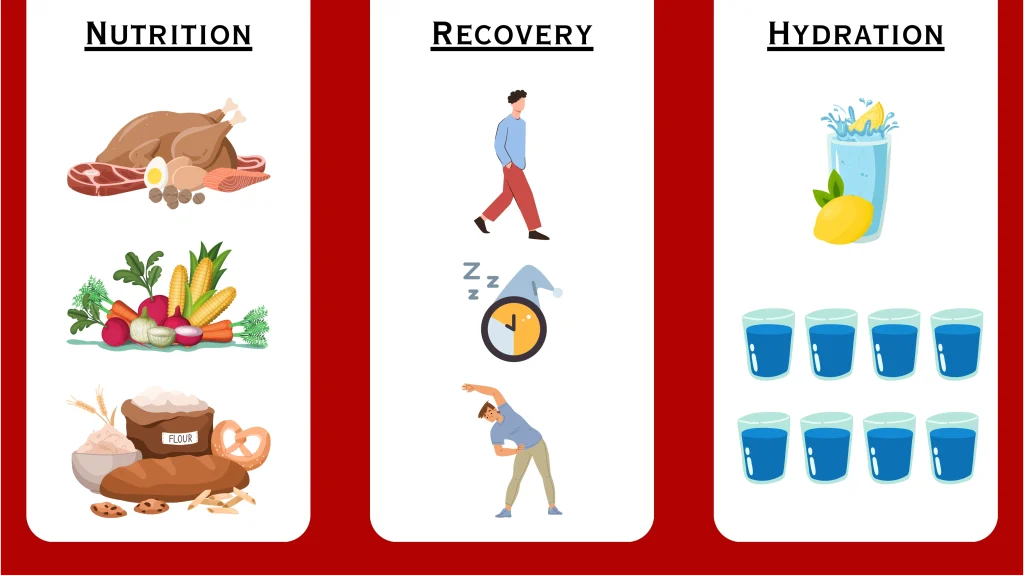
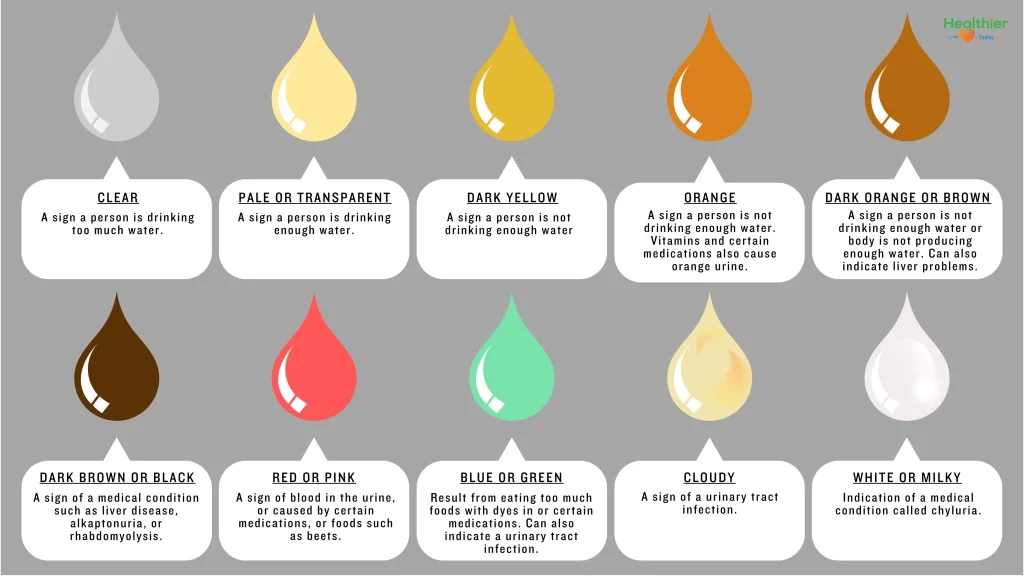
Hydration is a fast track to knowing, “How to wake myself up?” Sleep dehydrates you, so a tall glass of water (16 oz) rehydrates, kickstarts metabolism, and clears mental fog. Keep it bedside, sip it before coffee, and feel alertness hit within minutes. Add lemon for flavor if plain water bores you, or try cold water to jolt your senses since it’s a minor tweak with big energy payoff.
3. Move Your Body
A 5-minute stretch or walk beats the question, “Why can’t I wake up in the morning?”. Try yoga poses like cat-cow or a brisk loop around your living room to pump oxygen. It wakes muscles, boosts circulation, and shakes off inertia. Start gently, since overdoing it risks fatigue, but build to 10 minutes for extra zip. Even jumping jacks work, so keep it simple and feel the lift.
4. Eat a Light Breakfast
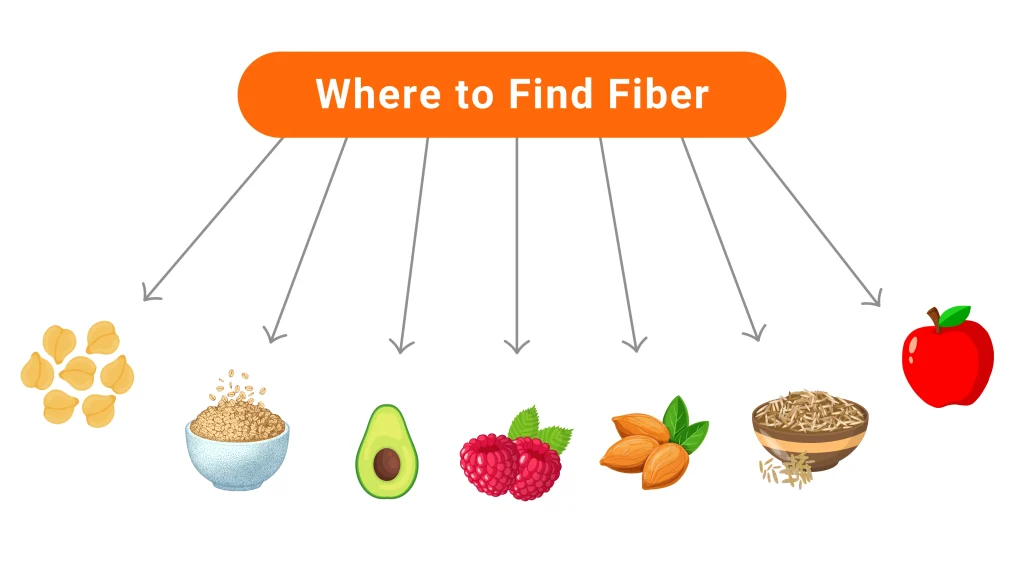
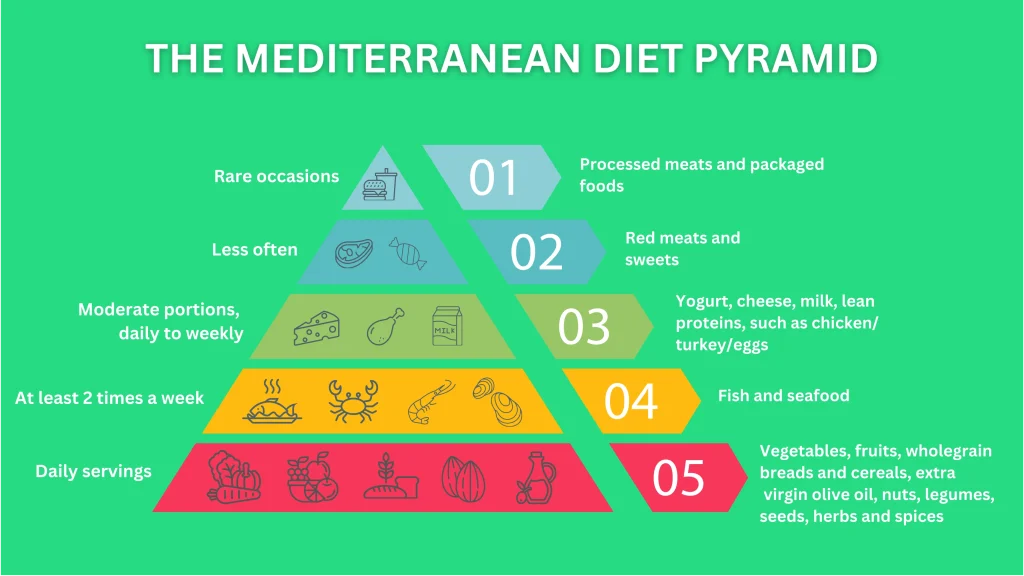
Fuel up with oats or fruit for steady energy, supporting how to get up in the morning. A small meal like oatmeal with berries or a banana with yogurt stabilizes blood sugar, avoiding the mid-morning crash of skipping it. Eat within an hour of waking, and you’ll power through tasks with sustained focus, not hunger pangs. Add a handful of nuts for protein, since it’s a morning boost that lasts.
5. Plan Your Day

A quick to-do list sharpens focus, a key benefit of early rising. Spend 2-5 minutes jotting down three priorities: work, exercise, and a personal goal, and you’ll start with purpose, not chaos. Use a notebook or app, keeping it simple, and rank tasks by urgency. It’s a mental warm-up, turning scattered thoughts into a clear roadmap. Studies [National Institutes of Health] link planning to 20% less stress daily.
6. Limit Afternoon Naps
Cap them at 20 minutes to ease trouble waking up in the morning. A short nap between 1 and 3 p.m. refreshes without stealing nighttime sleep, but stretching to an hour disrupts your cycle. Set a timer, nap in a chair (not bed), and wake feeling recharged, not sluggish. Skip naps if you’re sleeping well, since it keeps your night rest intact for more leisurely mornings.
7. Reflect Before Bed
Journaling calms the mind and helps plan how to wake up quickly the next day. Spend 5-10 minutes writing worries, wins, or tomorrow’s intentions, since it offloads mental clutter and signals your brain to unwind. Keep a pen and pad by your bed, and try prompts like “What went well today?” or “What’s one goal for tomorrow?” Deeper sleep follows, making mornings brighter and more focused.
Conclusion: Rise and Thrive
Struggling with why can’t I wake up in the morning? You’ve got the tools now. From rewiring sleep to smart alarms and morning light, how to wake up early is within reach. The benefits of waking up early, like focus, energy, and calm, turn a groggy start into victories. No more snooze battles!
FAQs
What are the most effective ways to improve morning energy?
Boost energy by learning how to wake up early hacks. Drink water, stretch for 5 minutes, and get sunlight, since Healthline notes these kickstart metabolism and alertness fast.
How can I create a consistent sleep schedule?
How to wake up in the morning? Set a fixed bedtime and wake-up, shifting 15 minutes earlier nightly. Sleep Foundation says 7-9 hours nightly syncs your clock.
Does drinking water immediately after waking up boost energy?
Yes, a glass of water combats dehydration, a fix for “Why can’t I wake up in the morning?”. It revs up your system.
What role does melatonin play in regulating sleep cycles?
Melatonin, your sleep hormone, rises at night; a calm pre-sleep routine boosts it, aiding in how to wake myself up refreshed.
How does exposure to sunlight affect wakefulness?
Sunlight reduces melatonin and boosts serotonin, which is key for learning how to wake up quickly. Fifteen minutes of morning light resets your rhythm.
What are the best morning exercises to feel energized?
Try stretching, yoga, or a brisk walk, since 5-10 minutes beats why is it so hard to wake up, pumping oxygen and energy.
Is it better to wake up at the same time every day?
Yes, consistency is a top benefit of early rising. Set the exact wake-up times, even on weekends, and align your clock with how to get up in the morning.
What are the common mistakes people make when trying to wake up early?
Late caffeine, inconsistent sleep, or no wind-down can fuel the question of why you can’t wake up in the morning. Start gradually, not drastically.
Can a nighttime routine help improve morning wake-ups?
A relaxing hour of reading or no screens eases trouble waking up in the morning, and the Sleep Foundation says it enhances sleep quality.
What foods promote better sleep and easier wake-ups?
Oats, almonds, and bananas boost melatonin and calm nerves, aiding how to wake up early with steady rest.