Top 10 Tips to Improve Kidney Function

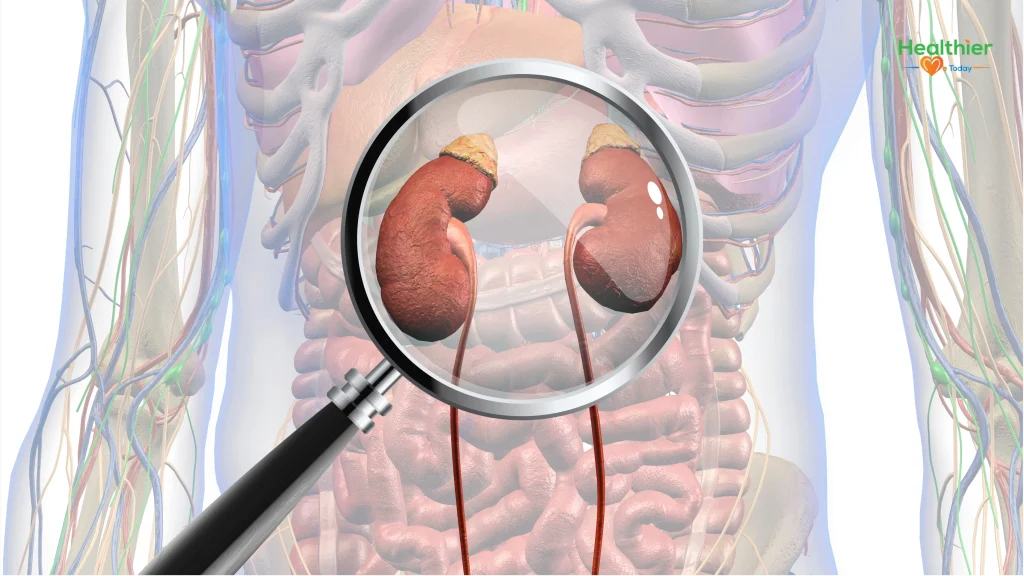
Your kidneys are about the size of your fists and are found at the lower part of your rib cage, one on each side of your spine. They have a lot of essential jobs. The main one is to clean your blood by eliminating waste, extra water, and other harmful stuff. This waste is kept in your bladder until you go to the bathroom. Taking care of your kidneys is essential for your overall health and well-being. When your kidneys are healthy, they can better filter waste and make hormones that help your body work well.

This article looks at how the kidneys work, how they’re negatively affected, and how to improve kidney function and health naturally. 

How The Kidneys Work
Kidney health

A healthy kidney processes around 200 quarts of blood daily, eliminating waste, extra water, and some chemicals. If your kidneys can’t maintain balance, it can lead to serious health issues. They are good at adjusting to different situations, like when blood pressure drops. The small filtering tubes in the kidneys, known as glomeruli, can change how they work. However, during a significant health problem, the kidneys might stop working to help the body hold onto fluids. This situation is known as acute kidney injury, and it often occurs in people who are in the hospital.

What Causes Low Kidney Function?

Many adults in the U.S. who are over 75 years old might have kidneys that don’t work as well as they should. However, most people won’t experience any health problems because of it. Various health issues can harm the kidneys, which can result in reduced kidney function and might lead to chronic kidney disease.

These include:

  • Diabetes
  • Smoking
  • Excessive alcohol consumption
  • Uncontrolled hypertension
  • High cholesterol
  • Some medications can injure the kidneys

Living a heart-healthy life by exercising regularly and eating a nutritious plant-based diet helps keep your kidneys safe. 

What is Considered Too Low?
Kidney health

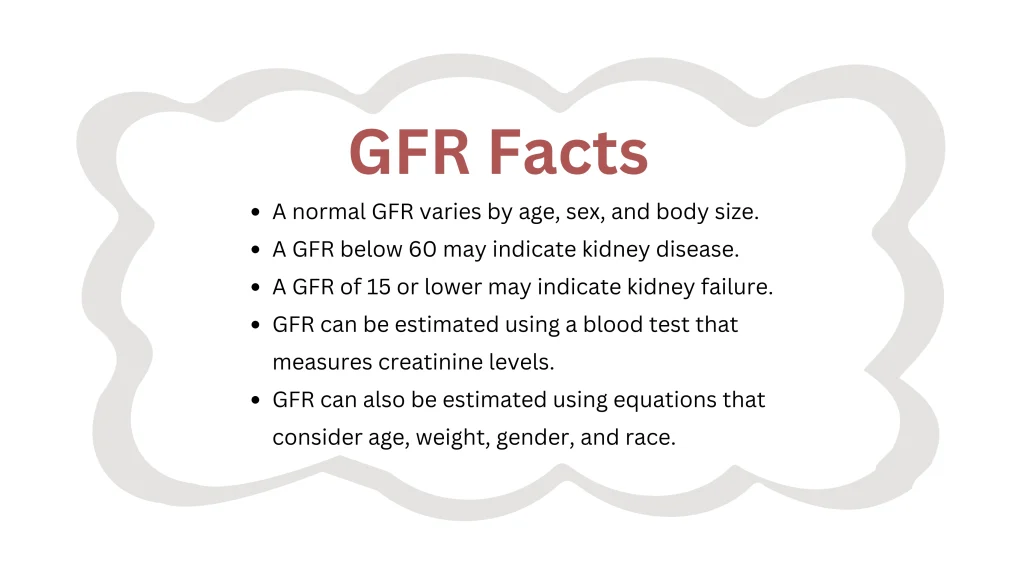
A healthy kidney works hard to clean waste from the blood at a speed of at least 90 milliliters (ml) every minute. This process is called the glomerular filtration rate, or GFR. As time passes, many men may notice their kidneys aren’t working as well, but they usually don’t feel any problems until their kidney function has dropped. 

You can feel perfectly fine even when your kidneys are not functioning at their best, so you can still go about your daily life. However, the lack of early warning signs can make it hard to take action and prevent further decline. Most people only feel unwell when their kidney function falls below 10%.

How Does High Blood Pressure Damage the Kidneys?

High blood pressure can create small tears in the walls of arteries, making it easier for fat to build up and block blood flow. When the arteries that supply blood to the kidneys get narrower, the body releases a hormone called renin, which makes small arteries even tighter. This makes high blood pressure worse and can lead to more harm to the kidneys. If blood flow keeps getting restricted for a long time, it can hurt or even kill the nephrons, the tiny parts in your kidneys that filter blood.

How is Kidney Function Tested?

Your doctor can check your creatinine level during regular blood tests to see how well your kidneys work. Creatinine comes from muscle cells and enters the bloodstream. The kidneys are responsible for filtering creatinine out of the blood. When the kidneys aren’t working as well, the level of creatinine in the blood increases. 

This level helps estimate how well your kidneys are functioning, known as the GFR. If you have a slight decrease in kidney function, there are things you can do to prevent it from getting worse. If your kidney function is low but stable, you should only visit your doctor once a year. However, if your GFR is dropping or is below 50, it’s a good idea to see a kidney specialist.

How to Improve Kidney Function

When learning how to improve kidney function, it’s good to note that making even minor adjustments can positively impact your kidney health. The great part is that these easy changes also enhance your overall wellness!

Here are several tips on how to improve kidney function:

Eat Lots of Fruit and Vegetables

Knowing how to improve kidney function with healthy foods is vital. Eating a balanced diet is essential for keeping your blood pressure and cholesterol in check and can help lower your chances of getting kidney disease. Eating at least five servings of low potassium fruits and vegetables daily is a good idea. Foods good for kidneys also include starchy foods like potatoes, dairy products or alternatives, and protein sources like beans, legumes, eggs, fish, or meat. 

Try to cut down on saturated fats and sugars too. Eating healthy doesn’t have to be complicated or expensive. Canned, dried, and frozen fruits and veggies are just as good! Add some fruit to your cereal, whip up a quick stir-fry, or enjoy a side salad with your meal. You can ask your doctor for advice to learn more about the best veggies for kidneys and eating a balanced diet.

Stop Smoking

People who smoke are four times more likely to get kidney failure compared to those who don’t smoke. Smoking can make your heart beat faster, raise your blood pressure, and lead to fat buildup in your blood vessels, which can cause blood clots. All of these factors can increase your chances of developing kidney disease. 

Additionally, smoking also doubles the risk of getting kidney cancer. However, if you quit smoking, you can lower these risks, and the positive effects begin right after you stop. It’s a good idea to talk to your doctor about ways to quit smoking because studies [Mayo Clinic]  show that using medication and support can make you four times more likely to succeed in quitting.

Cut Down on Salt
Improve kidney function

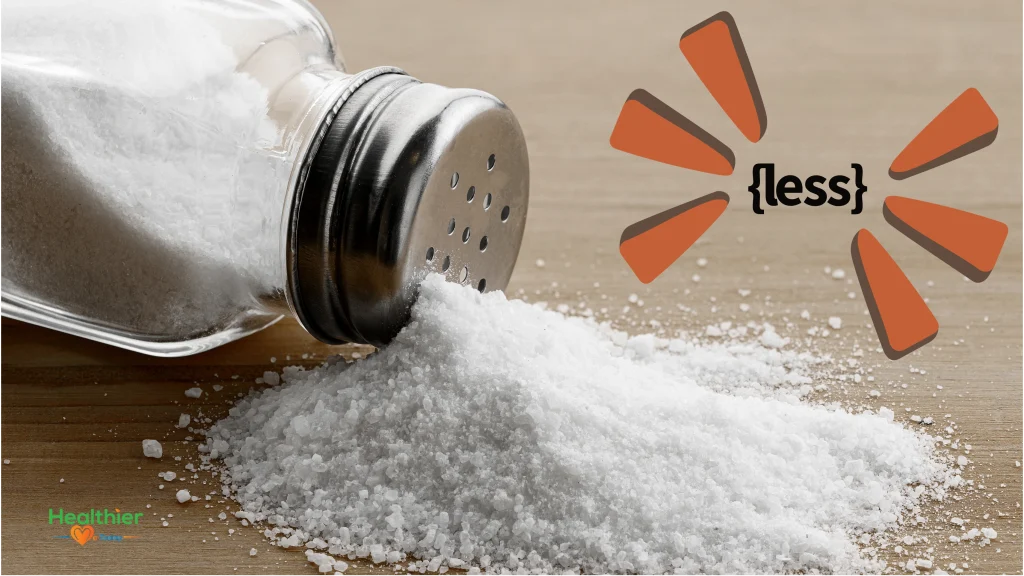
Eating a lot of salt can lead to high blood pressure, which might cause kidney problems. Too much salt can also increase your chances of getting kidney stones. Keep your salt intake to about 6 grams daily, roughly one teaspoon. A surprising 75% of the salt people consume is found in processed foods, not just the ones that taste salty. 

Always read food labels to check for salt levels, pick options with less salt, and choose fruits and raw veggies for snacks instead of foods bad for kidneys like chips and crackers. Use pepper, spices, herbs, lemon, and garlic to add flavor instead of salt when cooking. If you stick with it, your taste buds will quickly get used to less salt.

Stop Drinking or Drink Alcohol in Moderation

Drinking a lot over time can lead to higher blood pressure and cholesterol levels, which might contribute to kidney problems. It’s a good idea to limit yourself to 14 units of alcohol each week and make sure to spread it out over several days. Just so you know, one unit is about a small glass of regular wine, half a pint of regular beer or cider, or a shot of liquor.

Avoid Over-The-Counter Painkillers

High doses of common pain relievers over a long time can hurt your kidneys. This includes over-the-counter medications like aspirin and ibuprofen, which belong to a category called non-steroidal anti-inflammatory drugs, or NSAIDs. It’s okay to use these medicines now and then, but follow the instructions carefully, use the smallest dose you can, and only use them for as long as you need them. If you need painkillers often for a health issue, talk to your doctor about ways to protect your kidneys.

Get Active

Staying active is good for your overall health and can benefit your kidneys. You don’t need to hit the gym to get moving; activities like walking, biking, dancing, or gardening all count as exercise. Try to get in at least 150 minutes of moderate exercise each week or 75 minutes of more intense workouts. 

You can break this down into smaller parts throughout your day. For instance, you could ride your bike instead of driving, or get off the bus a stop early and walk the rest of the way to the store. If you haven’t been active, talking to your doctor before starting any new exercise routine is a good idea.

Saving Ultra-Processed Foods for Special Occasions

Ultra-processed foods (UPFs) are packed with sugar, salt, refined carbs, additives, and unhealthy fats while lacking fiber and vitamins. New studies [National Kidney Foundation] show that eating a lot of these foods can increase the risk of chronic kidney disease (CKD). 

Cutting back on soda, chips, processed meats and cheeses, cakes, instant soups and noodles, and candy is a good idea and considered a basic form of chronic kidney disease self-care. Researchers [National Institutes of Health] discovered that replacing just one UPF with a less processed option daily can lower your CKD risk by 6%. Try to make fresh meals from scratch and save UPFs for special occasions.

Stay Hydrated

Drinking enough fluids is essential for your body. It helps your cells function properly and keeps things running smoothly. Staying hydrated can also help remove crystals that might turn into kidney stones and bacteria that cause urinary tract infections (UTIs), which can sometimes harm your kidneys. Drink about six to eight glasses of water daily so your urine is a light straw color. Water is an excellent option since it’s inexpensive and has no calories, but you can also include other drinks in your daily intake. Sparkling water, tea, coffee, herbal teas, water with kidney cleanse herbs, and low-fat milk all count, too!

Cut Down on Sugar

Eating a lot of sugar doesn’t directly harm your healthy kidneys, but it has many calories, which can make you gain weight. Staying at a healthy weight can help lower your risk of kidney problems, like high blood pressure and type 2 diabetes. Fruits and vegetables have natural sugars, and those are fine to eat. 

You need to cut back on the ‘free sugars,’ which are added to foods by you or companies, like table sugar, honey, and maple syrup. Adults should limit themselves to about 30 grams of free sugars each day, roughly seven sugar cubes. Always check food labels and pick unsweetened or low-sugar options. If you’re craving something sweet, try eating fruit instead, and use less sugar in your cooking.

Make Time For Sleep

Wondering how to improve kidney function with sleep? Sleeping is super important because it helps your body recover and heal. Some studies [DaVita] have shown that sleeping for only five hours or less each night could hurt how your kidneys work. Like other body parts, your kidneys rely on your sleep schedule, so insufficient sleep might make it harder for them to function correctly. Most people need about seven to eight hours of sleep each night. 

Everyone has those nights when they can’t sleep well, but if you often find it hard to get enough rest, it might be time to look at your sleep habits and bedroom setup. Make sure your room is peaceful, dark, and quiet. Try to stay away from caffeine and alcohol, and give yourself some time to relax before going to bed. Also, getting some exercise during the day can help. If you’re still having trouble sleeping, it’s a good idea to talk to your doctor.

Conclusion: All in All

Your kidneys are crucial in keeping you healthy, so knowing how to improve kidney function is necessary for your overall well-being. They do a lot of essential jobs, like filtering out waste from your body and producing hormones. Taking good care and knowing how to keep kidneys healthy is vital, so they should be one of your primary health concerns. Staying active and making healthy choices is the best way to keep your kidneys in great shape.

FAQ’s:

What are the early signs of kidney disease?

Urinating more often, blood in the urine, foamy urine, back pain, pain or burning when urinating, high blood pressure, tiredness, shortness of breath, and puffiness around the eyes or ankles.

How can I improve my kidney function naturally?

Knowing how to improve kidney function naturally involves eating a balanced diet with many fruits and vegetables. Make sure to drink enough water to stay hydrated. It’s also important to exercise regularly, keep your blood pressure in check, and if you have diabetes, manage your blood sugar levels. Try to eat less salt, avoid too much protein, and stop smoking.

Which foods are best for kidney health?

The best foods for kidney health are cranberries, arugula, raspberries, strawberries, plums, pineapples, peaches, cabbage, cauliflower, asparagus, beans, celery, cucumber, onions, bell peppers, radishes, summer squash, garlic, egg whites without yolks, shiitake mushrooms, water, and olive oil.

What foods should I avoid for healthy kidneys?

When learning how to reverse kidney damage, steer clear of canned soups, processed meats, hot dogs, sausages, frozen dinners, and snack foods like chips, crackers, and pretzels, condiments like ketchup, BBQ sauce, soy sauce, salad dressing, and pickled foods like pickles, olives, and beets.

Can you survive with one kidney?

Many people wonder, can you live with 1 kidney? Yes, many individuals lead healthy lives with just one kidney. The kidney that is left will grow more significant to make up for the missing one.

Are there natural remedies to prevent kidney stones?

One way to help get rid of and how to stop kidney stone pain immediately is by drinking lots of water and other fluids. You can also try home remedies for kidney stones, like drinking diluted apple cider vinegar. Eating foods high in citric acid, like lemons and oranges, can be helpful, too. Taking herbal supplements like nettle leaf might be beneficial.

What are some high potassium foods to avoid?

If you have kidney problems or need to stick to a low-potassium diet, it’s best to stay away from certain foods. These include bananas, oranges, cantaloupe, raisins, prunes, dates, apricots, and rhubarb. You should also avoid spinach, broccoli, brussels sprouts, and tomatoes. Other foods to skip are black-eyed peas, dried beans, lentils, milk, yogurt, cheese, and milk-based coffee drinks. Lastly, be careful with processed foods and salt substitutes.

Is coffee bad for kidney health?

Drinking a moderate amount of coffee is generally safe for your kidneys and might help protect them. However, if someone drinks too much coffee, especially if they already have kidney problems, it could put extra stress on their kidneys. This is because caffeine can affect blood pressure and how the body manages fluids.

How long does it take to recover from a kidney infection?

Most people will begin to feel better from a kidney infection after a few days of treatment. However, it’s essential to finish all the antibiotics, which usually take 1 to 2 weeks, to ensure the infection disappears and doesn’t return. If someone has other health issues, their kidney infection recovery time might take longer to get entirely better.

What vitamins are good for kidney health?

Vitamins for kidney health that could be beneficial are B, D, iron, and B9. But remember, talking to your doctor before taking kidney health supplements is crucial.

Best Exercises for Heart Health: Supercharge Your Cardiovascular Fitness

Many have wondered how to strengthen your heart with exercise. Regular exercise is essential for keeping heart disease at bay. While physical activity is better than being inactive, some exercises for heart health might be perfect for your heart. Our bodies are made to move, and staying active helps with many bodily functions. Regarding heart health, exercise can have direct and indirect benefits that can help prevent and manage heart disease. Pairing regular workouts with a heart healthy diet can further enhance cardiovascular health.

Want to know more about exercises for heart health? This piece discusses it all. Let’s jump in!

What is Heart Disease?

How to improve heart health quickly

Heart disease is a form of cardiovascular disease (CVD) that encompasses various issues related to the heart’s muscles, valves, blood vessels, or overall function. Many factors can lead to heart disease, but one of the most significant risk factors is not getting enough exercise.

Does exercise lower cholesterol? Working out not only helps to make your heart muscle more substantial, just like it does for other muscles in your body, but it also offers several benefits for heart health.

Benefits of cardiovascular exercise include:

  • Balanced cholesterol levels
  • Better blood circulation
  • Stronger blood vessels
  • Lower blood pressure
  • Less inflammation
  • Help with weight control
  • Regulation of blood sugar levels

If you want to lower your chances of developing heart disease or improve your heart health, this guide will provide helpful information on exercises for heart health.

What are the Best Exercises for Heart Health?

5 best exercises to strengthen your heart

The best exercises for heart health depend on your fitness level and physical condition. Everyone is unique, so starting any exercise routine slowly and safely is super important. Focusing on doing exercises correctly and safely can benefit your entire body, including your heart. Generally speaking, the best exercises for heart health are activities at a moderate or vigorous intensity.

Moderate and vigorous exercises are types of aerobic workouts. They stimulate your heart and use big muscle groups like your arms and legs. You’ll feel your heart rate and breathing speed up while doing aerobic exercise for low cholesterol and heart health. Moderate-intensity activities usually feel like a 5 or 6 out of 10. They raise your heart rate and breathing, but you should still be able to have a conversation without gasping for air.

Some common exercises for heart health that are usually done at a moderate intensity are:

  • Walking quickly or hiking without a heavy load
  • Water aerobics
  • Casual biking
  • Jogging at a slow pace

On the other hand, high-intensity workouts are brutal. You’ll feel your heart racing, and your breathing will get heavier. You might only manage to say a few words before taking a breath. If you were to rate vigorous-intensity exercise on a scale of 10, it would be around a 7 or 8.

Some exercises for heart health that usually hit a vigorous intensity level are:

  • Running or sprinting
  • Jumping rope
  • Playing tennis
  • Hockey
  • Basketball
  • Swimming laps

Regarding aerobic exercises for heart health, how hard you push yourself and your challenges can affect your intensity. For instance, walking quickly on flat ground is of moderate intensity, but walking quickly up a steep hill or a long set of stairs can reach vigorous intensity.

Aerobic exercises are great for your heart, but they aren’t the only type of workout you should do to keep your heart healthy. The National Heart, Lung, and Blood Institute suggests that a well-rounded, heart-healthy exercise routine should include strength training and flexibility workouts.

How Much Exercise Does Your Heart Need Each Week?

The American Heart Association suggests that adults should aim for the following physical activity levels:

  • 150 minutes of moderate aerobic exercises for heart health each week, or

  • 75 minutes of vigorous aerobic exercises for heart health weekly, or

  • A mix of both types of exercise throughout the week.

It’s essential to include moderate to high-intensity muscle-strengthening activities at least twice a week, with a total goal of 300 minutes of physical activity each week. For children under 5, staying active throughout the day is key, while kids aged 6 to 17 should get at least 60 minutes of moderate to vigorous activity every day. They should also do muscle and bone-strengthening exercises three times a week.

Your doctor can help you understand how these guidelines fit your situation, considering your age, medical history, and heart health goals. For instance, if you’re recovering from a serious heart issue, your exercise plan will be quite different from someone mainly trying to learn how exercises for heart health prevent heart disease.

Target Heart Rate for Exercising for a Healthy Heart

Many exercises for heart health can vary in how hard they are, meaning that something like swimming for heart health can be easy or challenging, depending on how much effort you put in. One way to keep track of how hard you’re working out is by figuring out your target heart rate. 

This helps you ensure you’re hitting your fitness goals and shows you when to make your exercises for heart health harder as you get fitter. Your target heart rate for heart health is a certain percentage of your highest heart rate. To find your highest heart rate, take 220 and subtract your age. 

The result is the maximum number of times your heart can beat in a minute (bpm):

  • For moderate exercises for heart health, your target heart rate should be between 50% and 70% of your maximum heart rate.

  • Your target heart rate for vigorous exercises for heart health should be between 70% and 85% of your maximum heart rate.

To find these numbers, multiply your estimated maximum heart rate by the needed percentage, changing it into a decimal.

To find the moderate-intensity heart rate for a 40-year-old, you can follow these steps:

  1. First, calculate the maximum heart rate by subtracting your age from 220: 220 – 40 = 180 bpm (this is the maximum heart rate).
  2. Next, to find 50% of that maximum, multiply by 0.50: 180 x 0.50 = 90 bpm.
  3. Then, to find 70% of the maximum, multiply by 0.70: 180 x 0.70 = 126 bpm.

So, if you are 40 years old, your target heart rate for moderate exercise should be between 90 and 126 bpm.

What Happens If Your Heart Rate is Too High During Exercise?

Your maximum heart rate shows the limit where your heart is working hard but still safe versus when it’s working too hard and could get hurt. If you push past your maximum heart rate, it can harm your heart and blood vessels, and the risk of severe heart problems goes up. Going over your target heart rate isn’t always as risky as going over your maximum, but it can still put extra pressure on your heart, which might lead to issues like overtraining syndrome.

You must slow down or take a break if you exceed your target heart rate during moderate or intense exercises for heart health. Cool down properly and drink water while monitoring your heart rate to see if it returns to normal. Once your heart rate is back to normal, you can start exercising again, but do it slowly and gradually increase your effort until you hit your target heart rate. If your heart rate stays high even after resting or you experience chest pain, difficulty breathing, or fainting, get medical help immediately.

How Often Should You Check Your Heart Rate When Exercising?

target heart rate for heart health

Depending on your goals, your doctor can help you figure out how often you should check your heart rate while performing the best exercises for heart health at home or elsewhere. Some people might only need to check it every 5 to 10 minutes, while others might need to monitor it constantly.

Ways to Monitor Your Heart Rate

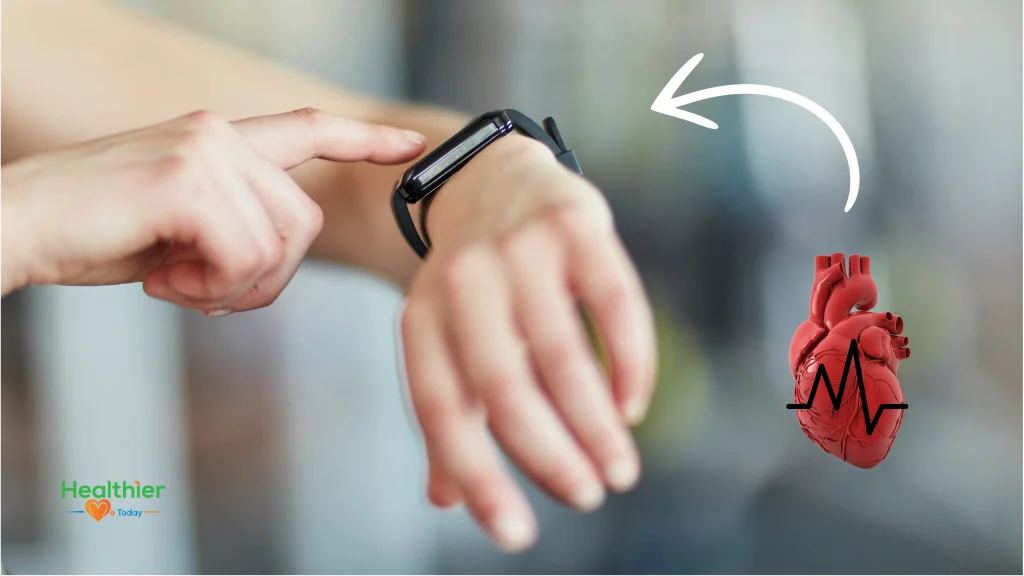
You can check your heart rate by using your fingers to feel for a pulse on your neck or wrist. Start counting from zero and keep track of the beats for a full minute, or you can count for 30 seconds and then double that number.

Since you’ll be checking your heart rate a lot during your workout, stopping every 5 minutes to do it manually can be a hassle. Luckily, many gadgets can monitor your heart rate without making you pause your exercises for heart health.

These devices consist of:

  • Chest straps
  • Wrist or arm devices
  • Smart rings
  • Pulse oximeters (which you wear on your fingertip and connect to a portable gadget)
  • Smartphones
  • Sensors built into machines like treadmills and stationary bikes

Chest straps are known to be the most precise heart rate monitors you can buy. Since they sit close to the heart, the electrodes can pick up the electrical signals when the heart beats. Unlike monitors worn on other body parts or carried around, chest straps are less likely to lose their signal due to movement or not being in contact with the skin.

Tips for Making Exercises for Heart Health Part of Your Routine

Starting an exercise routine can seem tricky, especially if you haven’t made it a big part of your life. 

To make working out feel more natural and less like a chore, try these tips:

  • Talk to your doctor about setting achievable goals that fit your fitness level.
  • Choose activities you enjoy, and mix up how hard you work as you improve.
  • Turn everyday tasks into chances to exercise, like parking further away to get in some extra walking.
  • Gradually increase how hard, long, and often you work out.
  • Plan your workouts into your schedule so you don’t just do them whenever you feel like it.
  • Find a workout buddy to keep you motivated and make exercising more fun.
  • Treat yourself when you hit exercise goals, like running a certain distance for the first time.
  • Be flexible; even a quick workout is better than skipping it altogether if you’re short on time.
  • Spice up your routine with new exercises for heart health, fitness classes, or different places to work out.

And don’t forget to be nice to yourself. It’s okay to have days when you don’t feel like exercising or need extra rest. If you miss a day, just jump back into your routine as soon as possible.

Conclusion: A Happy and Healthy Heart

Exercising at a moderate to high intensity is beneficial for your heart. It helps strengthen your heart and boosts different functions that keep it healthy. While aerobic exercise for heart health is great, it’s also essential to include strength training and flexibility exercises for heart health in your fitness routine. 

Working out regularly can help stop heart disease and improve overall health. If you start slowly with achievable goals and choose activities you like, getting into a regular exercise habit will be easier.

FAQ’s:

What’s the ideal heart rate for cardio workouts?

A target heart rate for cardio workouts is 50–85% of your maximum heart rate.

How can heart health be improved in 30 days?

Learning how to improve heart health quickly in 30 days requires you to eat lots of fruits, veggies, and whole grains. It’s also important to exercise regularly at a moderate level, like going for brisk walks or biking.

Try to manage your stress, get plenty of sleep, and reduce salt in your food. If you smoke, quitting is a good idea. Check your blood pressure and cholesterol with your doctor during regular visits.

Do cardio exercises lower blood pressure?

Cardio exercises at home or the gym can help lower blood pressure by improving heart health and making blood vessels more flexible, allowing blood to flow more easily.

Is walking good for heart health?

Yes, walking is good for your heart health. It can help lower heart disease and stroke risk and improve cardiovascular fitness.

What’s the regular heart rate during exercise?

When you exercise, a typical heart rate can be between 90 and 160 beats per minute (bpm). This can change based on how old you are, how fit you are, and how hard you work out.

What’s the connection between yoga and heart health?

Yoga can help your heart by making you less stressed, lowering your blood pressure, and making your body more flexible.

What are some cardio exercises for seniors?

Water workouts are suitable for older adults for several reasons. Swimming gives a complete body workout, helps keep the heart healthy, and is gentle on the joints. The warm water in a pool can help relax muscles and joints. Plus, water aerobics is a super popular exercise choice for seniors.

How to Disinfect House After Flu: A Complete Guide 2025

Avoiding sick people is one strategy to stop the influenza (flu) virus from spreading. However, it’s also crucial to know how to disinfect house after flu to keep others from becoming ill if you or someone in your household has just recovered from the flu. The process entails cleaning frequently used surfaces to help eradicate the bacteria and viruses that cause these sicknesses. 

The type of germ and the surface it affects determine its precise life span. So, how long can a flu virus last on a surface? The flu can typically linger on surfaces for up to 48 hours. Additionally, germs can live for an hour on unwashed hands. 

This article offers suggestions for the best way to disinfect house after flu!

Rest and Self-Care Before Cleaning

Flu season cleaning tips

You must give yourself time to recover from flu-related illnesses before beginning extensive cleaning and following disinfecting tips for families with kids after flu. Although most people recover from the flu in a week, some may require more time if they have complications, like a sinus infection or an underlying medical condition.

If you’re still recuperating from the flu, ask friends, family, other household members, or a cleaning service to help with some of the work. Once you’re feeling better, you’ll be ready to disinfect your house after the flu thoroughly.

How To Disinfect House After Flu

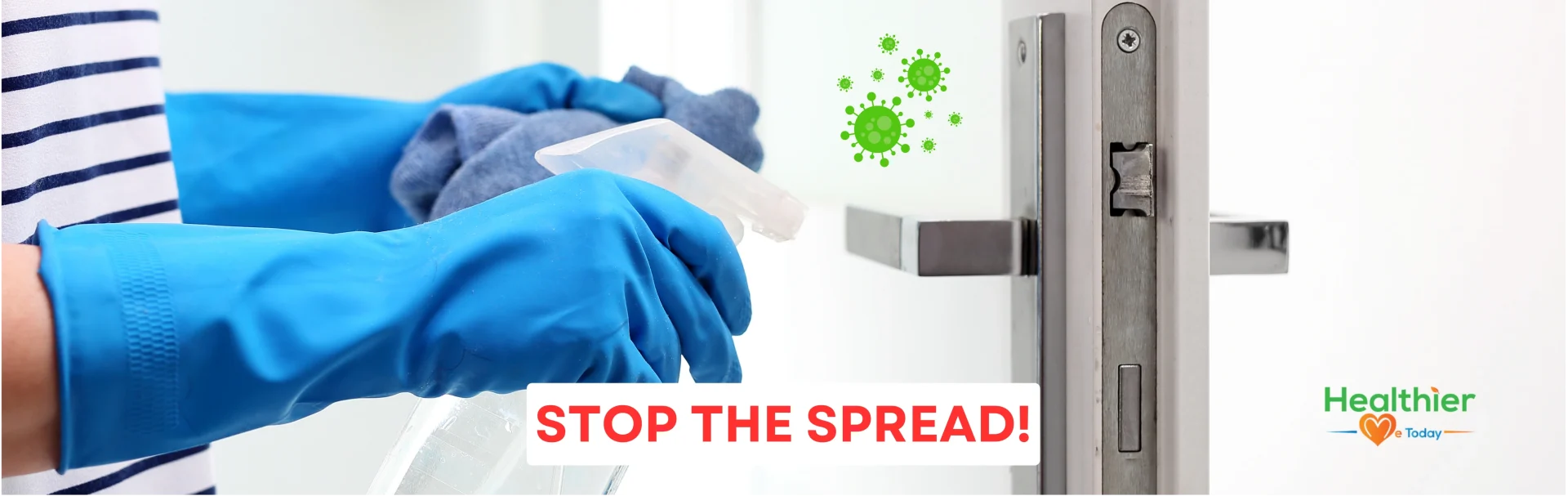
The surfaces in your house most likely to have persistent germs are those that are frequently used. Cleaning high-touch surfaces after flu is critical. Even if everyone tries their hardest to wash their hands often, touching a surface, someone else has touched or sneezed on while ill increases the risk of contracting viruses and other germs. To kick off these flu season disinfecting tips, consider focusing on common areas in your home to help stop the flu from spreading after disinfecting your house after flu.

These consist of:

  • Stair rails 
  • Doorknobs
  • Light switches 
  • Drawer handles

Knowing how to disinfect house after flu is crucial, but it’s essential to remember vehicles, too. Make sure to clean and disinfect frequently touched surfaces in your car, especially if you or a family member drove in it while sick. These include seats, seat belts, navigation screens, door handles, and steering wheel. The most straightforward method for disinfecting common surfaces is disinfecting wipes. Ensure you adhere to the manufacturer’s instructions, which include letting the product remain damp for an adequate amount of time to eradicate germs. Hands should be cleaned after each use. 

Disinfect the Kitchen

A variety of drinking glasses, cutlery, and dishes may pile in the sink or other areas of the house while you’re unwell. To disinfect house after flu, gather and clean them in a dishwasher or wash them in hot, soapy water. After dishwashing, thoroughly clean and sanitize the rest of your kitchen to eliminate lingering germs.

Pay attention to the following areas:

  • Trash cans
  • Countertops
  • Kettles and coffee makers
  • Refrigerator (especially handles)
  • Light switches
  • Drawers 
  • Cabinets
  • Sink and faucets
  • Microwaves
  • Ovens 
  • Stovetop 
  • Any other appliances used while sick

Disinfect the Bathroom

Flu season cleaning tips

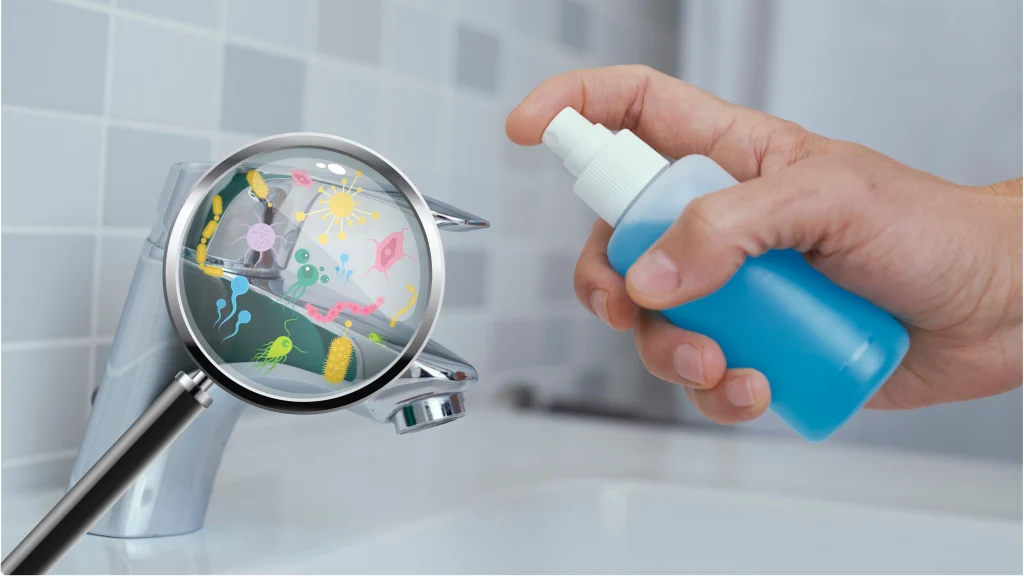
It’s crucial to completely clean and disinfect the bathroom after the person with the flu has recovered, regardless of whether you share it with them. Use warm, soapy water to clean the hard surfaces below, followed by flu virus germ killers like bleach for optimal effects.

Make sure you clean the following:

  • Basin and faucets 
  • Soap holders or dispensers
  • Toilets 
  • Doorknobs
  • Countertops
  • Toilet paper holders 
  • Toothbrush holders 
  • Consider replacing toothbrushes
  • Bathtubs and showers

Remember to disinfect house after flu by thoroughly cleaning these areas to help prevent the spread of germs.

Wash all Dirty Laundry 

While learning how to disinfect house after flu, do not forget about fabrics. Laundry products are among the soft surfaces where flu viruses can thrive. Your clothes, linens, and towels should be washed once you or another family member has recovered from being sick. Use detergent and acknowledge the label instructions regarding the ideal water temperature and drying time. You can clean and disinfect laundry baskets and hampers for soiled clothing. 

Clean with warm, soapy water, then pat dry with a paper towel. Alternatively, you can clean hard surfaces, laundry baskets, and hampers with disinfecting sprays or wipes. It is safe to mix laundry from a sick person with non-ill people, according to the Centers for Disease Control and Prevention (CDC). The most crucial step in eradicating germs is to use the hottest water temperature and thoroughly dry everything.

Disinfect Bedrooms 

Cleaning and disinfecting hard surfaces are as important as washing bedding when eliminating flu viruses from a bedroom. 

These surfaces include:

  • Bedside tables
  • Doorknobs
  • Lightswitches 
  • Bed frames
  • Drawer handles
  • Cupboard handles
  • Dressing table 

Cleaning bedroom flooring can help in preventing flu spread at home and eliminate germs. After someone has been ill, vacuum the carpeted floors and sweep and mop the hard flooring. You must take action to clean and sanitize a child’s toys if they recently contracted the flu. Stuffed animals and other soft toys can be machine-washed in pillowcases. Hard toys can be disinfected after being cleaned with soap and water.

Be sure to disinfect house after flu, paying attention to these areas in the bedroom to reduce the spread of germs.

Disinfect Electronics 

Keeping used surfaces clean can help stop the spread of the flu virus. However, a crucial aspect of how to disinfect your house after the flu includes cleaning your electronic devices, all this effort might be for nothing. For instance, touching a tainted phone can transfer germs from your hands to other surfaces. Because of their frequent use, electronics are among the surfaces in homes with the highest concentration of germs. In fact, according to a 2020 review of 56 different studies [National Institutes of Health], harmful microorganisms are present in roughly 68% of mobile phones worldwide. 

Using a gentle, lint-free cloth, dab your smartphone with a little warm water and soap to clean it. You can also use disinfecting wipes, but be aware that products with alcohol in them can eventually harm screens. Try adding wipeable covers to help protect your personal electronics. In this manner, you can quickly and safely clean the surfaces of your phone and other objects. Along with your phone, be sure to disinfect house after flu by cleaning and sanitizing all other electronic devices in your house, such as tablets, remote controls, and personal computers and keyboards.

Air Out Your Home 

Preventing flu spread at home

If it’s nice outside, open the windows for fresh air. This lessens the chance that germs will remain in the air and cause illness to other people. While cleaning and disinfecting, ventilating can be the best way to disinfect a house after the flu. This is also a good practice when using bleach or other disinfecting products and helping to air out the house. 

Conclusion

Knowing how to disinfect house after flu is crucial to keeping others from becoming sick. Even though the process may seem overwhelming, you can begin by addressing areas with high traffic and work your way down to the rest of your to-do list. Always follow the manufacturer’s instructions when using commercial disinfectants and wear a mask and gloves. 

After learning how do you disinfect your house after the flu in 2025, you and your loved ones can rest assured until next flu season!

FAQ’s:

What are the best cleaning products to kill flu germs?

Many common disinfectants, including bleach or ammonia-based cleaning products, can effectively kill flu viruses.

Do flu germs live on clothes?

Yes, flu germs can survive for 8 to 12 hours on clothing. They can also live on other materials, such as scarves and bedding.

Should I wash my sheets after having the flu?

After getting the flu, you should wash your sheets because bedding and other soft surfaces can harbor flu viruses.

How do I sanitize my bathroom after the flu?

Knowing how to sanitize bedding after flu is crucial. Thoroughly wash your bathroom with soap and water, then use an EPA-registered disinfectant or a bleach-based solution to disinfect all surfaces.

Does Lysol kill flu germs on surfaces?

Lysol products can indeed eradicate flu germs from surfaces. Cold and flu viruses are among the 99.9% of bacteria and viruses that Lysol’s products are said to be able to destroy.

How long do stomach flu germs live on surfaces?

Infected carpets can harbor stomach viruses for up to 12 days, while hard surfaces can harbor them for up to 12 hours. It can survive for months or even years in still water.

How do you disinfect a couch after the flu?

When disinfecting house after flu you can thoroughly spray a couch with a disinfectant spray made especially to kill viruses, such as one that contains at least 90% alcohol or a low hydrogen peroxide solution, and let it sit for the recommended amount of time before wiping it down with a fresh cloth.

Can air purifiers help remove flu germs?

Yes, but there’s a catch. Only viruses already in the air can be captured by air purifiers.

How to disinfect my house after flu?

The best way to disinfect your house after the flu is to clean and disinfect all surfaces and items that were used or are commonly used by those who were sick.

What is the difference between flu and stomach flu germs?

While the stomach flu is caused by a number of viruses that affect the intestines, the flu is caused by the influenza virus, which affects the respiratory system.

How to kill stomach flu germs?

The best way to kill stomach flu germs is to use a bleach solution to thoroughly clean and disinfect surfaces that may have been contaminated with diarrhea or vomit.

H5N1 Bird Flu: Should You Be Worried?

Often referred to as “bird flu,” avian influenza is a virus that infects cows, birds, and other animals. It can occasionally spread to people as well. The most frequent cause of influenza A in humans is the H5 subtype. Pink eye and mild to severe respiratory symptoms may result from it. The most vulnerable are those who work with ducks, poultry, and dairy cows.  

The Animal and Plant Health Inspection Service (APHIS) of the US Department of Agriculture (USDA) recently reported further H5N1 avian flu detections in poultry from four states, such as multiple cases in Ohio. 

This article looks at H5N1 bird flu virus symptoms, diagnosis, how to avoid bird flu, H5N1 treatment, and the latest updates on the U.S. detections. Let’s jump in!

What is H5N1 Bird Flu?

Avian influenza, sometimes known as bird flu, is an infection caused by a particular influenza virus that typically infects birds and animals such as cattle and poultry. Bird flu can sometimes infect humans and other animals. Similar to the common flu, avian flu can cause serious illness.

It is unlikely to transfer from one individual to another. You often only hear about bird flu when there is an outbreak or many infected birds. This can raise concerns since it impacts wildlife, lowers the food supply, and increases the risk of human infection. 

What is H5N1 Bird Flu

Since 2024, there has been a rise in human cases of bird flu in the United States. Bird flu comes in a variety of subtypes. H5N1 and H7N9 influenza A have historically been the most common subtypes that infect humans. The names of these subtypes are determined by the kinds of proteins present on the virus’s surface. Many people wonder how to prepare for bird flu pandemic, but it is unlikely that one amongst humans will be. However, taking precautions to lessen the likelihood of sporadic infection is still encouraged. 

The Latest Updates on the H5N1 Bird Flu Outbreak

The most recent infections in Ohio were at a duck meat business, three turkey producers, and four commercial farms in Mercer County. Nearly 6 million birds and many large layer arms have been lost due to Ohio’s outbreaks over the past month; turkey producers have been involved in most of the incidents. In Pinal County, Arizona, the Animal and Plant Health Inspection Service (APHIS) also verified an outbreak at a layer farm with over 316,000 birds. 

Officials also confirmed the detections in the backyard flocks in Orange County, Florida, and Kearney County. A record 147.25 million birds have died from outbreaks since H5N1 was initially identified in US poultry in early 2022, affecting all 50 states and Puerto Rico. APHIS reported another detection in dairy cow developments, this time from a Californian herd, bringing the total for the state to 727 and the country to 944. 

Here is recent information on the infected animals:

Category Number Affected Details Date
Wild Birds Detected 11,065 51 jurisdictions with bird flu 1/28/2025
Poultry Affected 147,251,509 51 states with outbreaks of poultry 1/29/2024
Dairy Herds Affected 949 16 states with outbreaks of dairy cows 1/29/2024

The Symptoms of Bird Flu 

H5N1 symptoms

H5N1 symptoms in humans can range in severity and are typically:

  • Fever
  • Cough 
  • Conjunctivitis (pink eye)
  • Sore throat 
  • Muscle aches
  • Shortness of breath (dyspnea)
  • Nausea and vomiting 
  • Diarrhea 
  • Runny or blocked nose 

Most cases of bird flu in the United States have been reported to have caused mild respiratory symptoms like coughing, shortness of breath, and pink eye. 

What Causes H5N1 Bird Flu?

As mentioned, bird flu is a kind of influenza A virus commonly known as H5N1 in humans. The virus may spread to other body areas, such as the brain, after infecting the lungs and upper respiratory tract. H5N1 bird flu can infect humans if they touch an infected animal’s bodily fluids, such as milk, respiratory droplets, dung (feces), or spit (saliva).

In animal habitats, it can often be inhaled by tiny dust particles or can enter the mouth, nose, or eyes. It’s important to know that eating properly cooked poultry, eggs, or pasteurized milk does not cause bird flu. 

The human food supply is quickly removed from flocks known to contain the avian flu virus. Although there have been a few instances of H5N1 human to human transmission, it is highly uncommon. In the United States, none of the cases were caused due to human contact.

Interaction with infected animals has been the cause of human bird flu infections in nearly every instance to date. However, the virus may have the potential to change, making it easier for other people to contract it whenever a human becomes infected.

The Complications of H5N1 Bird Flu 

Bird flu can often lead to some serious complications, such as the following:

  • Brain swelling (meningoencephalitis)
  • Acute respiratory distress
  • Pneumonia
  • Bacterial infections 
  • Respiratory failure
  • Sepsis 

How is H5N1 Bird Flu Diagnosed?

A throat or nose swab, or a swab from your eye’s conjunctiva, can be used by healthcare experts to diagnose avian flu. These tests will recognize highly pathogenic H5N1 (bird flu) as influenza A. Because labs do not regularly screen all positive influenza A swabs for avian flu, you must tell your provider if you have come into contact with infected birds, cows, or other animals. If the test results are positive for influenza A, the lab will send the sample to a specialized lab for avian flu testing.

Bird Flu Treatment in Humans

After diagnosis, the next step is preparing for bird flu treatment. Bird flu can be treated using antivirals, which are medications that prevent the flu virus from spreading in the body. These medications are most effective when used as soon as symptoms appear. Your healthcare provider may prescribe medicine for bird flu before your flu lab test results are returned. 

Avian influenza treatments include the following:

  • Zanamivir (Relenza) –  Zanamivir is inhaled by a device similar to an asthma inhaler.
  • Oseltamivir (Tamiflu) – Oseltamivir is used orally. 
  • Peramivir (Rapivab) – Peramivir is administered by inserting a needle into a vein.

If you have bird flu, try to avoid other individuals, especially those you live with. This makes it easier to keep the infection from spreading. Healthcare providers may recommend testing for anyone near you during your symptoms if you have bird flu. Those exposed to bird flu and at a high risk of developing a serious illness may be prescribed antiviral medication.

How is H5N1 Bird Flu Prevented?

How to protect yourself from bird flu

The following are some precautions for bird flu: 

  • Wear protective gear such as gloves, a mask, and goggles when working with birds, wild animals, or livestock.
  • When working with birds, wildlife, and cattle, or after visiting places where they live, make sure to wash your hands regularly. This involves going to farms, petting zoos, or places with water features like geese or ducks.
  • Working with sick or avian influenza-exposed animals is not advised. To stop the spread of an outbreak, follow public health recommendations.
  • If you have visited regions where birds, such as waterfowl or chickens, live, remove your shoes before entering your house. 
  • This lowers the possibility that bird droppings or anything else that might be tainted with the virus will spread inside your home.

Conclusion: A Simple Breakdown

Bird flu is caused by influenza A viruses, which are identical to the ones that cause seasonal flu in humans. It mainly affects wild water birds but can also infect humans on rare occasions. 

If you are traveling to a place with bird flu outbreaks in animals, be aware of the potential risks. To prevent infection, avoid contact with wild birds and animals that may be infected, wash your hands frequently with soap and water, and thoroughly prepare poultry and poultry products before eating. 

FAQ’s:

What are the symptoms of bird flu in humans?

Symptoms of bird flu in humans include fever, cough, conjunctivitis (pink eye), sore throat, muscle aches, muscle aches, shortness of breath (dyspnea), nausea, and vomiting.

How does bird flu spread from animals to humans?

Bird flu is passed from animals to humans by contact with an infected animal’s saliva, mucus, or excrement. The virus can also spread by contaminated dust and air droplets.

How can I prevent bird flu?

Learning how to protect yourself from bird flu includes avoiding contact with sick or dead birds, washing your hands frequently, wearing protective equipment around these animals, avoiding touching contaminated surfaces, paying attention to symptoms, and telling your doctor.

Is there a bird flu vaccine?

Many ask, is there a vaccine for bird flu? Although they are not commercially accessible, there are licensed bird flu vaccines that can protect people from avian influenza. The H5N1 vaccination for adults aged 18 and above was authorized by the U.S. Food and Drug Administration (FDA) in 2007.

What precautions should I take to prepare for a bird flu pandemic?

You could prepare for a H5N1 pandemic by avoiding wild animals and birds, washing your hands, and receiving a seasonal flu vaccination.

Can bird flu spread from human to human?

Yes, bird flu can spread, but H5N1 human to human infection is very rare.

What is the H5N1 mortality rate?

The H5N1 death rate is approximately 50 to 52%. However, it could be higher as many mild cases go unaccounted for.

Does the bird flu vaccine stop transmission?

No, at this time, there is no vaccination to stop the transmission of bird flu to people. Experts are developing vaccines that could lessen the disease’s severity or stop it from spreading in the future.

Wellbutrin Weight Loss Explained: Is It Right for You?

Wellbutrin is among the most regularly prescribed antidepressants in the United States. The drug usually doesn’t cause side effects like less fatigue, sexual dysfunction, or immense and sudden weight gain – unlike other antidepressants. This makes it one of the top options! 

But does taking Wellbutrin to treat depression lead to Wellbutrin weight loss? Can the medication be recommended for this reason?

Stay tuned as this article examines what Wellbutrin is, its benefits and disadvantages, how to take it properly, and its relationship with weight loss through Wellbutrin.

Wellbutrin weight loss

Wellbutrin and Weight Loss

After being prescribed Wellbutrin, there’s a chance you may experience weight loss after taking it. For individuals classified as obese or overweight, they’re more likely to lose weight. This means that if someone’s BMI is less than 24.9, you’re less likely to lose weight while on Wellbutrin. However, you’re unlikely to gain weight. Wellbutrin weight loss was reported as a side effect in some clinical trials. 

Wellbutrin and weight loss

Research on various Wellbutrin products found that:

  • 28% of users experienced Wellbutrin weight loss of at least 5 pounds.
  • More than 5 pounds were lost by 14% of users taking 300mg of Wellbutrin SR and 19% of those taking 400mg. 
  • 23% of patients who took 150 to 300mg daily doses of Wellbutrin XL lost more than 5 pounds. 

Those who used Wellbutrin had at least twice the chance of losing weight in these studies [National Institutes of Health] compared to those who took a placebo (tablet containing no medication). These results are also supported by other research, such as nonsmokers with depression who took Wellbutrin for 2 years dropped an average of 7 pounds, according to long-term research. This study mainly examined patients who were classified as obese or overweight. 

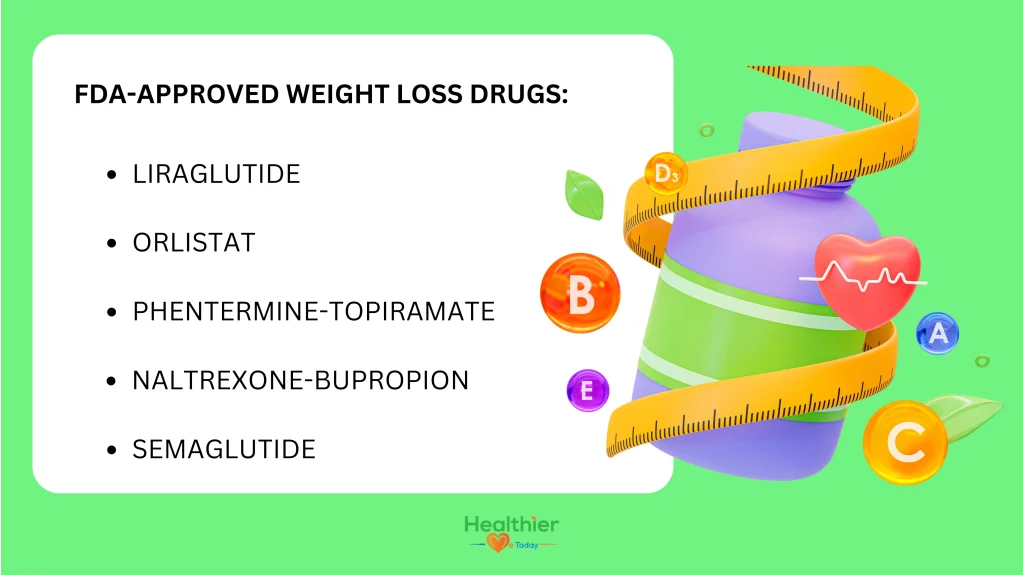
It’s crucial to remember that Wellbutrin by itself is not recommended for weight loss. The FDA has only approved it for depression. However, Wellbutrin SR is allowed to assist individuals in the process of quitting smoking, and Wellbutrin XL is commended as a treatment for those with seasonal affective disorder (SAD). However, there is ample evidence that those using Wellbutrin for depression lose weight. Bupropion, the active component of Wellbutrin, is one of two drugs in the weight loss combo tablet Contrave (bupropion/naltrexone).

What Causes Wellbutrin Weight Loss?

Wellbutrin is believed to function as an appetite suppressor. However, the exact cause of how Wellbutrin contributes to weight loss is still unclear. 

Wellbutrin is known to work by raising the body’s levels of two important neurotransmitters, or brain chemicals:

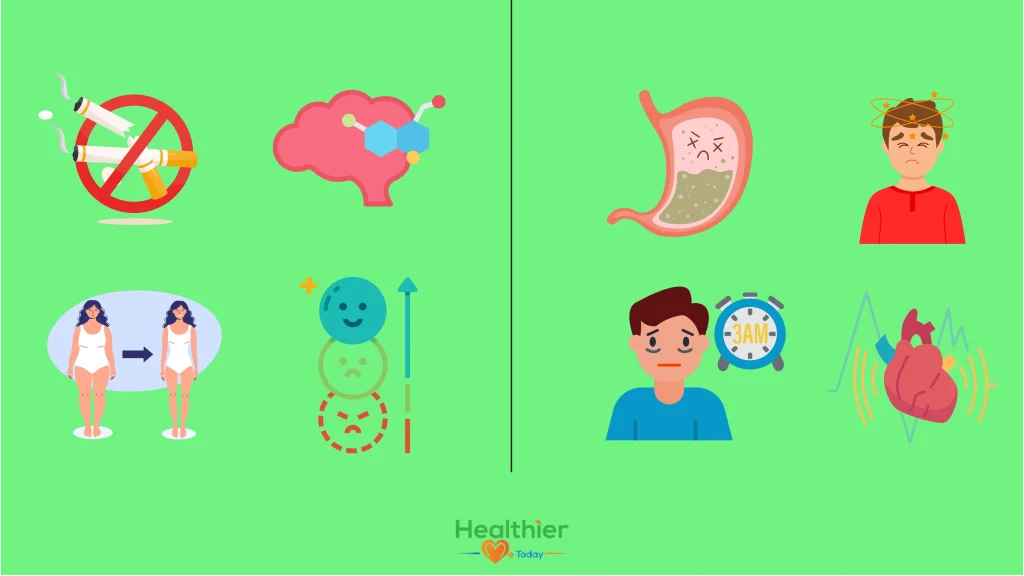
  1. Dopamine is a neurotransmitter that is released during enjoyable activities. It is a component of the brain’s “reward center,” which influences behavior. A rise in dopamine may reduce your appetite. 
  2. Norepinephrine is a chemical that boosts energy and concentration. Its energizing effects may also cause some anxiety, sleepiness, or agitation. Increased norepinephrine levels can reduce appetite. 

Wellbutrin Side Effects and Advantages 

When it comes to Wellbutrin, the medication has many advantages, and just like other antidepressants, it also carries some negative side effects. 

Wellbutrin and weight loss

Below are the advantages and disadvantages of Wellbutrin:

Wellbutrin Advantages

  • Treats major depressive disorder and seasonal affective disorder
  • It helps people stop smoking
  • Less adverse side effects on sexual functionality 
  • No known problems that have developed from long-term use
  • Boost serotonin, dopamine, and norepinephrine 
  • Cause weight loss for those who are overweight or obese
  • Can treat ADHD, bipolar disorder, and neuropathic pain

Wellbutrin Side Effects

  • Dry mouth 
  • Feeling dizzy
  • Trouble sleeping
  • Tremors 
  • Nausea 
  • Constipation 
  • Fast heartbeat
  • Nervousness or agitation
  • Headaches 

Does Wellbutrin Cause Weight Gain?

Does Wellbutrin cause weight gain

It is unlikely, as most studies [Talkspace] show that Wellbutrin impacts weight by promoting weight loss instead of gain. In 2016, an assessment was done on numerous trials, including 8000 patients, and no links between Wellbutrin and weight increase were found. Although Wellbutrin is not likely to cause weight gain, depression can have an impact on appetite and body weight. 

When someone is depressed, they may have a decreased appetite and begin to lose weight. Starting an antidepressant, such as Wellbutrin, can help treat depression symptoms and restore your appetite. This means that you can gain weight after starting it. However, this does not always imply that weight gain is due to Wellbutrin. 

Is Wellbutrin Right for You?

Wellbutrin side effects

As mentioned, Wellbutrin is not FDA-approved for weight loss and is not the most effective medication for weight loss. If you are eligible for loss medications, most FDA-approved options will likely be more sustainable and work better than Wellbutrin. However, if you’re worried about gaining weight from antidepressants, Wellbutrin could be an excellent option for treating depression while avoiding gaining unwanted pounds. However, not everyone prefers to lose weight; you must speak to your doctor about how Wellbutrin’s potential weight-loss effects can affect you. 

Wellbutrin may potentially cause various negative effects and medication interactions. Because of this, it is not ideal for everyone. If you have a history of eating disorders or seizures, then Wellbutrin may not be the right fit for you, and you and your doctor can find the right antidepressant to meet your requirements. 

Conclusion: The Truth

Wellbutrin is one of the most widely prescribed antidepressants and is the least likely option to induce weight gain. It can help those who are obese or overweight lose weight. However, Wellbutrin is not FDA-approved for weight loss, and its possible weight-loss effects should be considered when choosing an antidepressant. If you meet the requirements for weight loss medications, there are better choices than Wellbutrin that will work and sustain weight loss better

FAQ’s:

Does Wellbutrin cause weight gain or weight loss?

Wellbutrin has been known to cause both, but it is more common to lose weight on the medication. 

What are the side effects of Wellbutrin during the first week?

Some side effects from Wellbutrin include dry mouth, constipation, headaches, fast heartbeat, dizziness, nausea, insomnia, agitation, and nervousness. 

How fast is Wellbutrin weight loss on Wellbutrin XL?

Wellbutrin weight loss may start after 8 weeks while taking the XL dosage. 

What is the difference between Wellbutrin SR vs XL?

Wellbutrin XL dosage for weight loss is an extended-release tablet, meaning it takes longer to kick in, and Wellbutrin SR is fast-releasing. 

Can Wellbutrin cause anxiety?

Wellbutrin can potentially cause anxiety because of its stimulating effects. 

Does Wellbutrin make you tired?

Wellbutrin can cause some individuals to feel less alert, drowsy, or dizzy. 

What are the long-term effects of Wellbutrin?

Some long-term side effects are anxiety, dizziness, insomnia, heart arrhythmia, constipation, decreased appetite, and stomach pain.

How does increasing Wellbutrin dosage from 150 to 300 affect the body?

Potential side effects of increasing your dosage can make the risk of seizures higher, cause high blood pressure, and induce manic episodes. 

Can Wellbutrin cause high blood pressure or seizures?

Yes, it can potentially cause both, so it is crucial to discuss the correct dosage and risks with your doctor. 

What happens when you stop taking Wellbutrin?

By stopping Wellbutrin, you may experience sweating, nausea, diarrhea, rashes, loss of appetite, vomiting, sleep disturbances, depression, and anxiety. 

How is Wellbutrin and naltrexone related?

The combination stimulates POMC neurons and blocks endogenous feedback that inhibits POMC activity. Together, they are effective in promoting weight loss amongst obese individuals.

Human Metapneumovirus vs COVID-19: Key Differences & Symptoms

The Metapneumovirus is a respiratory illness that is currently surging across China, and it’s making people fear the worst. Who could blame them with the COVID-19 outbreak only being a few years in the rearview? But this is not another pandemic –  the human metapneumovirus has been around for many years and is a usual seasonal sickness like the Flu

This article looks at what the metapneumovirus is, HMPV symptoms, its transmission, prevention, diagnosis, treatments, human metapneumovirus vs COVID-19, and national monitoring. 

What is The Human Metapneumovirus?

What is human metapneumovirus

What is human metapneumovirus in adults and children? It is a viral pathogen known to cause respiratory infections. The illness was found in 2001 in the Netherlands and is associated with the Paramyxoviridae family. It is closely linked to the Respiratory Syncytial Virus, more commonly known as RSV. It is spread through tiny saliva droplets when an infected individual coughs or sneezes. It is also spread by touching contaminated surfaces and being in direct contact with someone with HMPV. 

The human metapneumovirus can cause cases that range from mild chest discomfort to more serious complications, specifically in those who are vulnerable, such as infants, the elderly, and individuals with a compromised immune system. The HMPV virus is found globally and often peaks in late winter and early spring. However, in some areas, it can circulate all year round.

Human Metapneumovirus Stages

The human metapneumovirus incubation period is typically 3 to 6 days, and depending on the severity of the infection, the symptoms can sometimes last 3 to 5 days or longer, depending on the case. 

Below are the three stages of HMPV: 

    1. The incubation period – This is the period between being exposed to the virus and the first indicators of symptoms developing. 
    2. Mild symptoms – During this stage, mild symptoms will occur, such as a runny nose, cough, sore throat, nasal congestion, and the possibility of a fever. 
    3. Severe symptoms – More serious symptoms include difficulty breathing, fatigue, shortness of breath, possibly pneumonia, and wheezing. 

The Human Metapneumovirus In Kids

The HMPV virus is most prominent among children aged five and younger. However, only a small number of infected children will have it lead to pneumonia or other lower respiratory tract infections; studies [National Institutes of Health] have shown around 5 to 16%. However, it is essential to note that it will likely be severe the first time someone is infected with HMPV. This is why children still have a more significant risk of getting very sick their first time contracting the illness and should be closely monitored and properly treated immediately. 

The Human Metapneumovirus vs COVID-19

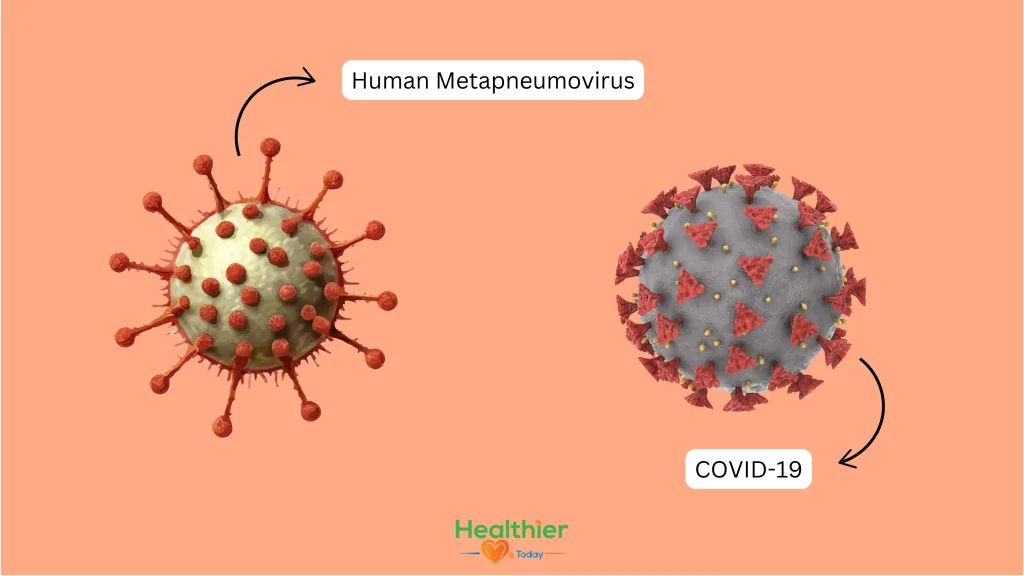
When we look at the human metapneumovirus vs COVID-19, both are respiratory pathogens but differ in their transmission dynamics, public health impact, and virology. The two are similar in their modes of transmission, such as saliva droplets, contaminated surfaces, and direct contact. Both cause mild to severe symptoms such as shortness of breath, coughing, and fever. These viruses are both specifically threatening and dangerous to vulnerable individuals such as the elderly, babies, young children, and people with compromised immune systems. 

Human metapneumovirus vs COVID-19

One of the main differences between the human metapneumovirus vs COVID-19 is their underlying viruses. The coronavirus has a broader range of symptoms, including losing the sense of smell and taste, to more serious ones, such as multi-organ failure and blood clotting. Treatment for human metapneumovirus vs COVID-19 differs as there are available vaccines and antiviral treatments for the coronavirus. Still, HMPV virus treatment focuses on supportive care without any current vaccine or antiviral treatments. 

Differences between human metapneumovirus vs COVID-19:

Differences Metapneumovirus COVID-19
Causes The Human Metapneumovirus (part of the paramyxovirus family) SARS-CoV-2 virus (prt of the coronavirus family)
Symproms  Cough, nasal congestion, runny nose, fever, shortness of breath, wheezing, sore throat, hoarseness, cold-like symptoms.  Fever, chills, cough, shortness of breath, fatigue, loss of taste and smell, headache, sore throat, body aches, diarrhea, and nausea
Transmission Primarily spread through close contact and respiratory droplets. 

Less contagious than COVID-19

Spread through respiratory droplets, surfaces, and aerosols.

Highly contagious and is a “super-spreader” virus

Incubation period 4 to 6 days 2 to 14 days
Testing  Diagnosed through PCR testing or specialized viral culture tests Diagnosed through PCR tests, rapid tests, and antigen tests
Treatment No vaccine or antiviral treatment is available 

Supportive care is primary treatment (hydration or oxygen therapy)

Monoclonal antibodies, antiviral medications (remdesivir), and supportive care

Metapneumovirus Symptoms

As mentioned, HMPV symptoms vary from non-serious to severe. The human metapneumovirus vs COVID-19 symptoms are similar but different as HMPV does not completely take away taste and smell. They are often compared to colds, but many cases can lead to serious complications, resulting in pneumonia, bronchitis, and bronchiolitis. 

Metapneumovirus symptoms

Below are several common symptoms of metapneumovirus:

  • Rash
  • Tiredness 
  • Hoarseness
  • Body aches
  • Fever 
  • Coughing
  • Sore throat 
  • Wheezing 
  • Headache 
  • Runny nose 
  • Congestion 
  • Difficulty breathing 
  • Shortness of breath 

How Long Does It Take To Recover From Human Metapneumovirus?

In mild cases of metapneumovirus, it can often last a couple of days to a week. However, more serious cases can take longer to heal and feel better. Whether mild or severe, HMPV can often leave behind a consistent cough that can take longer than other symptoms to clear up. 

Transmission and Prevention of the Metapneumovirus

Is human metapneumovirus contagious even after symptoms have resolved? Yes, those infected with HMPV can stay contagious for several days, even after their symptoms have cleared up. This is due to the metapneumovirus spreading in respiratory secretion for up to 2 weeks after symptoms have gone away.  The human metapneumovirus contagious level is very high and thrives in places such as schools, healthcare settings, households, and other similar crowded spaces. Although we can’t always avoid these places, we can ensure we take preventive measures. 

Here are some ways to prevent being infected and also help stop the spread of the metapneumovirus:

    • Wash your hands often with soap
    • Sanitize your hands after being in crowded places or around infected individuals.
    • Clean surfaces frequently
    • Throw away tissues immediately
    • Avoid touching your nose, mouth, and eyes with unwashed hands
    • Don’t share cups, food, or utensils with someone who’s sick
    • Stay at home when you are sick
    • Avoid coughing and sneezing into your hands
    • Consider wearing a mask when infected with HMPV
  • Human metapneumovirus isolation until no longer contagious

How is the Human Metapneumovirus Diagnosed?

Diagnosing the human metapneumovirus can be tricky as it mimics other illnesses such as flu and RSV. However, a common and reliable way to test for HMPV is Reverse Transaction Polymerase Chain Reaction (RT-PCR) and antigen detection, which gives results faster. Surveillance programs in India, such as the Integrated Disease Surveillance Programme (IDSP) and ICMR, do frequent tests for HMPV and other respiratory viruses. This is to help control and monitor the spread of respiratory illnesses. 

The Human Metapneumovirus Treatment

Human metapneumovirus treatment

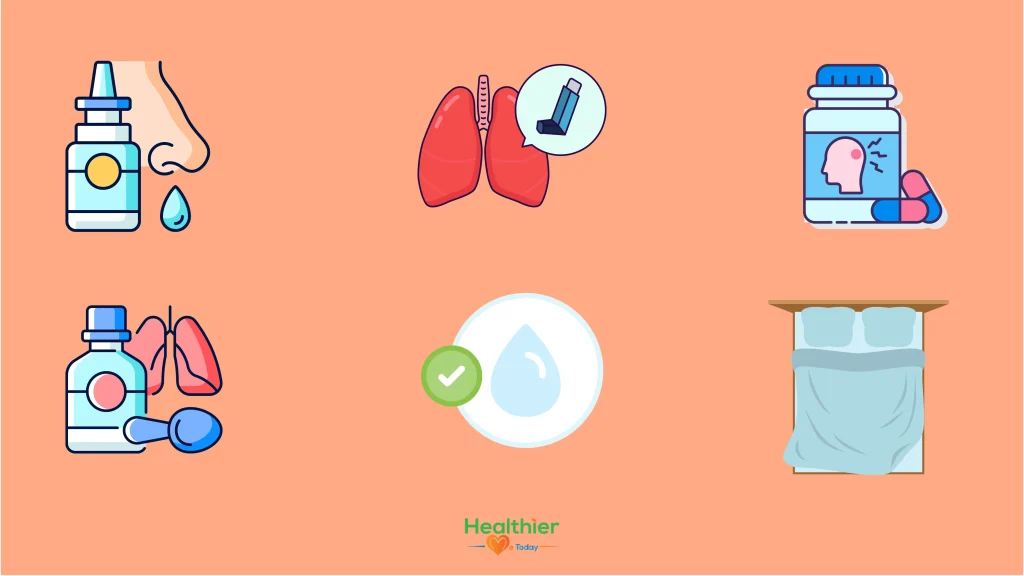
Here are several ways in which the human metapneumovirus is treated:

  • Over-the-counter medicine for fever, a blocked nose, pain, and coughing
  • Get plenty of rest
  • Use decongests
  • Stay hydrated
  • Inhalers or other breathing treatments
  • Corticosteroid nasal spray 

In more severe cases that lead to bronchitis or pneumonia, hospitalization and breathing therapy may be needed. 

Conclusion: So, What is The Human Metapneumovirus?

The human metapneumovirus is not new and has been around for over 2 decades. It has symptoms similar to those of other respiratory illnesses, such as RSV and influenza, but differs as it can lead to more serious complications. Although there are similarities between human metapneumovirus vs COVID-19, key differences include treatment, severity, contagiousness, and origin. 

FAQ’s:

How is human metapneumovirus diagnosed, and who is at risk?

The human metapneumovirus is diagnosed using laboratory tests and physical examinations.

What is HMPV prevention, and what precautions should be taken?

Some precautions to prevent the spread of metapneumovirus are staying home when sick, covering your mouth and nose when coughing or sneezing, washing your hands often, avoiding contact with someone infected, avoiding sharing items involving spit, and cleaning contaminated surfaces.

Can human metapneumovirus lead to severe complications?

Yes, HMPV can cause serious complications such as pneumonia, bronchitis, acute respiratory distress syndrome (ARDS), and even death.

Are there any home remedies or supportive care options for HMPV symptoms?

Yes, some home remedies for HMPV include resting, staying hydrated, taking over-the-counter medication, humidifiers, inhalers, saline nose spray, and corticosteroid nasal spray.

How long are you contagious with human metapneumovirus?

Someone infected with HMPV is contagious for 5 to 14 days after the first onset of symptoms.

How does HMPV typically affect young children compared to adults?

The first time an individual contracts the human metapneumovirus, it can make an individual extremely ill, which can be dangerous and potentially lead to complications in children.

When should you seek medical attention for human metapneumovirus?

You should seek medical attention if you experience difficulty breathing, bluish lips, skin, or nails, have a high fever (over 103°F), confusion, chest pains, dizziness, severe fatigue, dehydration, and severe coughing.

Why Nature Therapy is the Key to a Healthier, Happier Life

Have you ever heard of nature based therapy? While it is not as popular as conventional therapy treatments, it has been a part of holistic and Indigenous cultural healing for thousands of years. It has recently gained traction in the Western world, especially regarding holistic practitioners and lifestyles. There are several kinds of nature therapy. However, they all have one goal: healing through nature and using natural tools. 

This article looks deeper into what nature therapy offers, what it treats, different types of nature therapies, eco therapy activities, and what virtual eco therapy is. 

What is Nature-based Therapy?

Eco therapy

Nature therapy uses the environment and nature as a tool in healing both mental and physical health. It is also known as green therapy and eco therapy, and it helps to connect individuals with nature and their ancestorial roots and re-ignites our instinct to appreciate and engage with nature. This natural therapeutic practice has been shown to impact mental health and physical health challenges positively. 

Doing nature or eco therapy activities such as mindful walking, hiking, or gardening can boost your mental and physical health. This form of therapy is also known as preventative medicine, as it can help manage psychological and physical conditions and sometimes prevent them from worsening. Nature therapy is based on the concept that being in nature can give a sense of calm, self-reflection, admiration, freedom, mindfulness, gratitude, and much more. 

Nature therapy combines mindfulness and gentle exercising, which improves mood and well-being. Being in nature allows us to disconnect from social media, work stress, and other stressors we may experience daily. Taking a much-needed break from these distractions can significantly boost mental health

What Does Nature Therapy Treat?

Nature or eco therapy is rising as a popular holistic method, and extensive research [National Institutes of Health] has shown that it can effectively support mental health and physical health problems.

benefits of nature therapy

Here are a few conditions that nature therapy has been known to improve:

Different Types of Nature Therapy

Nature therapy entails various approaches using the natural environment to boost our well-being. Some therapeutic practices are done in groups, and others aim to connect a single individual to nature. Nature therapy is also used as part of talk therapy with a therapist.

nature treatment

The most common types of nature therapy include:

Nature Walks

Perhaps the most simple and easiest form of nature therapy. Nature walks mix self-reflection, mindfulness, and physical activity. It involves walking in nature, whether in a park, coastal area like the beach, forest, nature trails, or other outdoor environments. 

This allows people to immerse and connect with the tranquil beauty of Mother Nature. Nature walks mix self-reflection, mindfulness, and physical activity. Because of these aspects, research [National Institutes of Health] has discovered that nature walks have excellent mental and physical health benefits. 

Forest Bathing

Forest bathing, originally called shinrin-yoku originated in Japan and is a natural therapeutic practice of an individual or group immersing themself in a forest environment. Taking in the forest sights, smells, textures, and sounds can help promote overall well-being. 

Forest bathing is not literal and does not mean taking a bath in a forest but bathing in the environment’s surroundings. It can sometimes be confused with exercise or hiking, but it focuses solely on connecting deeply with nature and slowing down. Forest bathing has been shown to have benefits such as improving immune function, reducing blood pressure, and boosting mood. 

Eco therapy activities

Nature Meditation

Nature meditation is purposely practicing meditation methods while being surrounded by nature. This incorporates the attributes of mindfulness and the therapeutic benefits of nature. Nature meditation encourages individuals to tune into their senses by immersing themselves in the natural environment’s sensations, sounds, views, and smells and fully experiencing them all. Research [National Institutes of Health] of 25 studies has concluded that nature meditation positively impacts overall health, especially in a wild environment like a forest. 

Blue Mind Therapy

Blue mind therapy is an emergent form of nature therapy that uses water-based environments. This includes areas such as rivers, lakes, and oceans and harnesses the therapeutic benefits of water. It is based on the idea and understanding that being close to a body of water can rejuvenate and have calming effects on the spirit, body, and mind. Research [Well+Good] has shown that swimming, listening to the sound of water, surfing, kayaking, or walking along the beach can boost the therapeutic effects of blue mind therapy. 

Horticulture Therapy 

Horticulture therapy encourages people to participate in different activities, such as gardening or ones tailored to their abilities and needs. These include harvesting, weeding, planting, watering, and garden tending. Working with plants, soil, water, and nature promotes several therapeutic benefits, such as a sense of accomplishment, and it helps to decrease depression, anxiety, and stress. Horticulture therapy isn’t only great for mental health issues and physical health as it incorporates gentle exercises. 

What is Virtual Eco Therapy?

It may sound contradictory, but virtual nature or eco therapy involves experiencing the therapeutic benefits of nature while not having to be in it. This practice is especially useful for people with mobility problems or those in urban areas who cannot access natural environments. This therapy uses virtual reality or videos of nature to give the sensation and benefits of being in nature. 

nature based therapy

Virtual eco therapy includes listening to nature sounds or themed meditation sessions, watching a nature video of mountains, the ocean, forest, or other such settings to help boost moods, and relaxing while or before speaking to a therapist or mental health specialist. It also offers customization and flexibility, allowing individuals to add it to their online therapy. Individuals can tailor their virtual nature therapy experience to match preferences, such as what sounds and visual landscapes they prefer. This makes it a more personal and convenient way to reap the benefits of nature therapy

Conclusion: What You Need to Know About Nature Therapy

nature therapy for mental health

If you or a loved one is feeling anxious, overwhelmed, depressed, or stressed, nature therapy is worth a try. With science backing it up, this holistic method of treating mental and physical health problems has been proven to have several health benefits, such as incorporating gentle exercising, mindfulness, self-reflection, calmness, and more. Nature therapy comes in many different forms, even online, making it an accessible tool for anyone. 

FAQ’s:

What is nature therapy, and how can it benefit mental health?

Nature therapy uses the natural environment to help treat mental health and physical problems. Nature therapy for mental health can help release serotonin and dopamine and improve mood. It also helps to reduce stress, disconnect from distractions, and improve overall well-being.

How does Eco therapy differ from traditional therapy methods?

It differs by incorporating nature into the healing process, whether mentally or physically.

What conditions can be treated using nature-based therapies?

Nature therapy can help treat PTSD, anxiety, depression, stress, addiction, physical conditions, and self-esteem.

Are there scientific studies supporting the benefits of Eco therapy and nature treatment?

Yes, there are scientific studies [ScienceDiret] that support the effectiveness and benefits of nature therapy.

How can I incorporate natural therapeutic practices into my daily routine?

You can incorporate nature therapy by including natural therapeutic activities into your daily life, such as hiking, gardening, swimming, listening and watching nature videos, and walking in natural settings.

What are some popular activities in nature-based therapy programs?

Some popular activities include nature meditation, forest bathing, horticulture therapy, blue mind therapy, and nature walks.

Glaucoma Prevention Tips: Best Ways to Protect Your Vision!

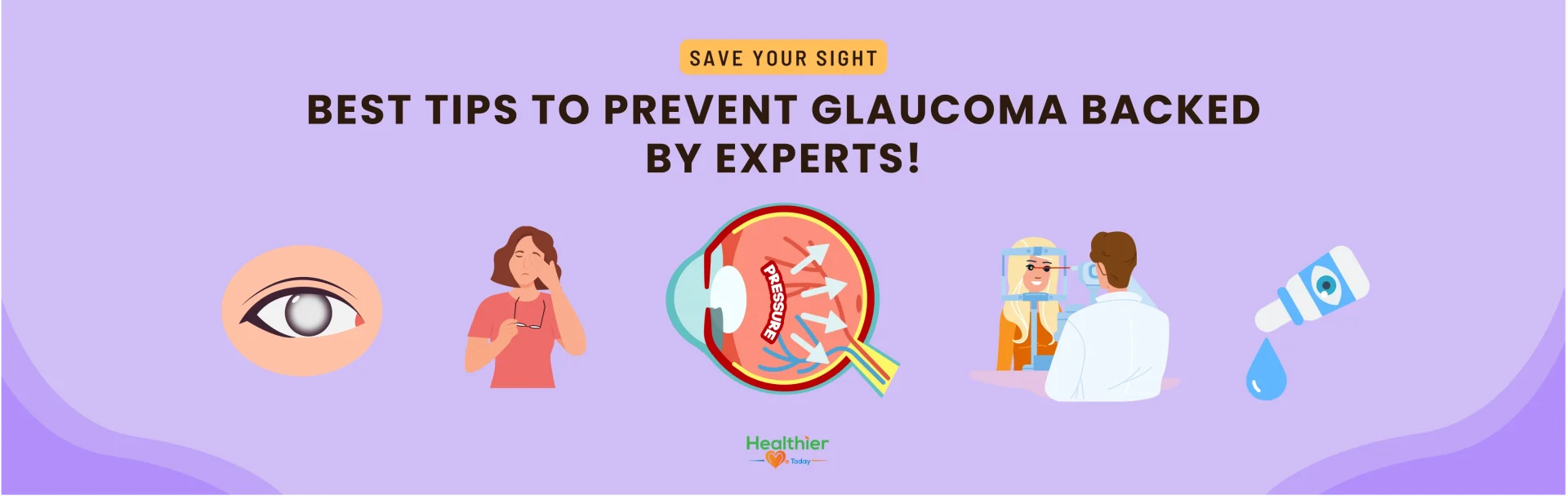
Glaucoma prevention tips are crucial to protecting your vision and preventing permanent damage. Did you know that January marks Glaucoma Awareness Month? Glaucoma is a disease involving high eye pressure that can lead to permanent vision loss and blindness. It can happen for several reasons, but the good news is that most are completely treatable. In this article, we take a look at the different ways on how to prevent glaucoma and protect your eyes to ensure you have a long life with sight.

glaucoma awareness month

What is Glaucoma?

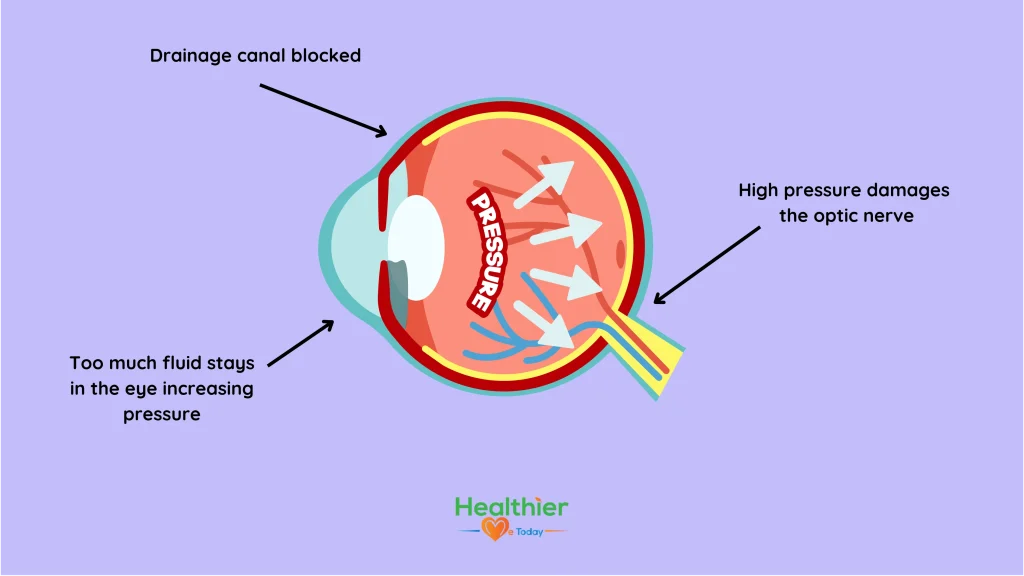
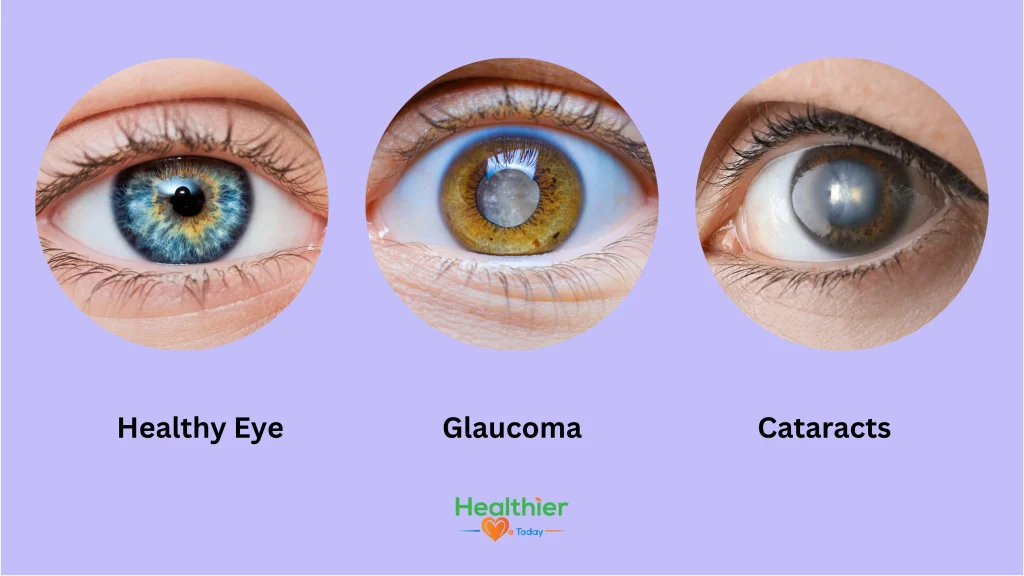
To know glaucoma prevention tips, we must first understand what it is. The word Glaucoma is used as an umbrella term for eye conditions that create a build-up of pressure inside the eyeball. This pressure damages vital delicate parts of the back of the eye. Most of these eye diseases are progressive, gradually worsening over time. As they progress, it can eventually lead to permanent blindness and vision loss. It’s important to know that glaucoma is the second-leading culprit of vision loss around the world. Glaucoma prevention tips are crucial for protecting your eyesight.

glaucoma prevention tips

It can be a challenging and emotional process after finding out that you have glaucoma or are at risk, and your first thought is glaucoma prevention tips to save your sight. For many people, their vision is a massive part of their everyday routine and activities. So, it is understandable to be afraid and anxious thinking about trying to adapt and live with severe visual impairment or blindness. Thankfully, most types of glaucoma can be treated, especially if caught early. And with the right management and consistent efforts, you can delay or even prevent developing glaucoma or visual impairment.

Symptoms of Glaucoma 

Glaucoma does not show symptoms in the early stages; this is why many people don’t even notice they have it. Symptoms may not show up until it has progressed, and the damage cannot be reversed. To help prevent this, glaucoma prevention tips are crucial for early detection and care.

glaucoma symptoms

Here are common symptoms of glaucoma to look out for:

  • Blurred vision
  • Diplopia (double vision)
  • Headaches
  • Eye pain and pressure
  • Red or bloodshot eyes
  • Developing blind spots (scotomas)
  • Developing visual field defects (tunnel vision)
  • Gradually developing low vision

Certain kinds of glaucoma, like angle closure glaucoma, cause sudden and severe symptoms. These need immediate medical attention and care to help prevent permanent vision loss and blindness. 

Here are emergency glaucoma symptoms that should not be ignored:

  • Hyphema (blood gathering in front of the iris)
  • Buphthalmos (bulging or enlarged eyeballs)
  • Seeing rainbow-colored halos around lights
  • Nausea and vomiting (happens from eye pain and pressure)
  • Increased appearance or development of myodesopsias (eye floaters)
  • Any kind of sudden vision loss
  • Photopsias (suddenly seeing flashing lights)

Causes of Glaucoma 

Knowing how the condition is caused is essential in knowing how to prevent glaucoma. Glaucoma is caused by damage to the optic nerve in the eye. This can happen without any apparent cause, but many different factors can bring on glaucoma. The most common cause and risk factor is intraocular eye pressure. A fluid called aqueous humor helps nourish the eyes and travels through the pupil to the front of the eye. If your eyes are healthy, the fluid will drain through the trabecular meshwork (Mesh-like canals), where the cornea and iris connect at an angle. 

How to lower eye pressure naturally

When you have glaucoma, the meshwork resistance increases, leaving the liquid nowhere to go and be drained. This is why a build-up is inside the eye, as the backed-up fluid causes pressure on the eyes. Over time, this build-up and pressure will lead to the optic nerve being damaged and the development of glaucoma. Glaucoma prevention tips are essential for managing eye health and reducing the risk of increased pressure. What causes the resistance and fluid build-up can vary and depends on the type of glaucoma you might have.

The Different Types of Glaucoma

There are many different kinds of glaucoma, but they generally fall under certain categories:

Primary Open-angle Glaucoma

Primary open-angle glaucoma is the most common kind of glaucoma. This happens when the drainage angle, which is where the inside of the sclera (white of the eye) and outer edge of the iris meet, is wide open. The aqueous humor fluid goes into this drainage angle so it can drain out the anterior chamber.

Primary Angle-closure Glaucoma

Aqueous humor (the clear watery fluid in the eye) is meant to flow from the posterior chamber behind the iris, through the pupil, and to the anterior chamber. However, the eye lens sometimes presses too far forward, which can block the fluid from flowing through the pupil’s openings. The excess fluid in the posterior chamber can force the iris to move forward which leads to the drainage angle narrowing and being closed off. 

Secondary Glaucoma

Secondary glaucoma is when another condition or situation worsens the eye pressure, which results in glaucoma. These can include certain medications (corticosteroids and cycloplegics), eye injuries, uveitis, eye procedures, pigmentary dispersion syndrome, and more.

Congenital Glaucoma

This means that you have developed glaucoma due to differences or changes that might have happened during fetal development in the womb. 

These include the following:

Understanding the different types of glaucoma is important, and glaucoma prevention tips can help reduce your risk for each type.

How is Glaucoma Diagnosed and Treated?

An eye specialist will use several tests to look for glaucoma during an eye examination. The great news is that these eye tests can catch glaucoma long before any symptoms occur and irreparable damage. For many eye tests specialists will have to dilate the pupil which is called mydriasis, to help get a better look inside of the eye. 

Glaucoma treatment options

Here are some glaucoma tests your eye doctor might run:

  • Visual field testing
  • Depth perception testing
  • Visual acuity testing
  • Pachymetry
  • Gonioscopy
  • Tonometry
  • Slit lamp exam 

If your doctor suspects there may be some damage to the optic nerve and retina, they may do some additional tests. 

They are:

  • Optical coherence tomography
  • Ultrasound
  • Fluorescein angiography
  • Computed tomography (CT)
  • Magnetic resonance imaging (MRI)

Treatment for Glaucoma 

Some common treatments of Glaucoma include the following:

Medications

This entails medications that aim to lower the pressure inside the eyes. They can also help to prevent developing glaucoma if you are at risk and have higher-than-normal intraocular pressure, also known as ocular hypertension. Medication can also help keep it from worsening to the point that symptoms are noticeable and damage occurs. 

Glaucoma Surgery

Glaucoma surgeries primarily focus on bettering the drainage of the eye fluid, which results in lowered pressure inside the eye. The glaucoma surgery success rate is relatively high, with 70% to 90% of patients having successful surgeries.  These kinds of surgeries include tube shunts, trabeculectomy, minimally invasive glaucoma surgeries (MIGs), and laser therapy. It’s important to consult with your eye care specialist about which treatment will be best for your glaucoma.

Here are also some natural remedies for glaucoma:

  • Ginkgo biloba extract (GBE)
  • Medical Cannabis
  • Natural antioxidants such as saffron and curcumin
  • Bilberry

Glaucoma Prevention Tips

Although it isn’t possible to completely prevent glaucoma, early detection and treatments can help to manage and lessen the fluid pressure inside the eye. It can also help to delay or prevent permanent vision loss.

Here are ways on how to prevent glaucoma and keep track of your eye health:

  • Regular eye exams – If there is increased pressure in the eye, it is often detectable during an eye exam. It can be caught early before damage and symptoms occur. By catching it early your eye specialist can help to prevent the glaucoma from worsening or at least try to slow the progression. 
  • Manage ocular hypertension – Your eye care specialist can help you manage your pressure if it is higher than usual by offering available treatments. Following their advice and guidance can be an effective way to help avoid or delay vision loss. 
  • Controlling your risk factors for glaucoma – Diabetes and high blood pressure are just two of some of the conditions that can contribute to eye problems. By managing them properly, you can help lower your glaucoma risk. This also means always protecting your eyes, such as wearing safety goggles and sunglasses when needed. 

Here’s how to lower eye pressure naturally before developing glaucoma:

  • Don’t ignore symptoms or changes to your vision
  • Reach and maintain a healthy weight for your body
  • Stay physically active, but be aware of exercises that could increase eye pressure
  • Don’t miss appointments and check-ups

Conclusion: Glaucoma in a Nutshell

Many people think of their vision as their most essential sense, which makes it even more frightening to think of a condition such as glaucoma. Receiving the diagnosis can be heartbreaking, but the good news is that glaucoma can be treated, and vision loss is preventable with the right glaucoma prevention tips and efforts.

Here is to better eye health in 2025!

FAQ’s:

Is glaucoma hereditary?

Yes, glaucoma is a hereditary condition that can be passed down through families. So, if someone in your family has or had this condition, your chances of getting it are significantly higher.

What are the early signs of glaucoma?

Some early signs of glaucoma include blurred vision, difficulty seeing in low light, and peripheral vision loss.

Risk factors for glaucoma

Some risk factors for developing glaucoma depend on the level of eye pressure, age, race, family history, medications, and other health conditions.

Can glaucoma cause blindness?

Yes, if left untreated glaucoma can cause blindness.

Is glaucoma reversible?

No, but early detection can help to slow and prevent vision loss.

What’s the difference between glaucoma and cataracts?

Glaucoma affects the parts of the back of the eye, such as the optical nerve, whereas cataracts affect the eye’s lens.

How to detect glaucoma?

An eye specialist can detect glaucoma by doing several eye tests during an examination. 

What is Open-angle vs. angle-closure glaucoma?

Although similar, the main difference between the two is that they differ in how the pressure increases and their associated risk factors. 

How Seasonal Depression Affects Millions and What Can Be Done

During this time, many people are coping with holiday or winter blues. However, this should not be confused with Seasonal Affective Disorder (SAD) which it often is due to the timing. The mood changes that are associated with SAD are more intense and can affect someone more drastically than usual mood dips due to the holidays or change in amount of daylight. 

December marks Seasonal Depression awareness month and it is important that people understand what causes it, the symptoms, treatment and ways in which to prevent it. 

What is Seasonal Affective Disorder?

What is seasonal depression and how does it affect us? Seasonal Affective Disorder (SAD) is a kind of depression that often starts in the late fall and the early winter. This is called winter-pattern SAD or winter depression and is a large part of why mental health awareness in December is important. 

Winter Depression

SAD can also be experienced in the summer, although it is less common, some people do experience summer-pattern sadness or summer depression. Both winter and summer-pattern SAD can change the way an individual behaves, makes decisions, thinks and looks after themselves. Dealing with Seasonal Affective Disorder can be challenging and especially if you are not aware of its symptoms and haven’t been diagnosed. 

Symptoms of Seasonal Depression

An effective way to raise seasonal depression awareness is to know the symptoms. This way it can be easier to know if an individual has Seasonal Affective Disorder or just “holiday blues”.

Seasonal Affective Disorder (SAD)

Let’s look at general, winter-pattern, and summer-pattern SAD symptoms:

It is very common that winter-pattern SAD is confused with “holiday blues”. This is because there is a lot of stress and changes that come with holidays such as time off work and school, different schedules, different priorities and so on. During this time many people experience temporary or intermittent dips of their emotions. However, these emotions are brought on by predictable holiday related changes. SAD is caused by changes in the amount of daylight. 

Causes of Seasonal Depression

Scientists have not yet determined what exactly causes Seasonal Affective Disorder and winter-pattern SAD has been more looked into than summer-pattern SAD as it is more common. However, studies [National Health Institutes of Health] show that those with, especially winter-pattern, SAD have lower levels of serotonin, a chemical in the brain that regulates our mood. 

Research has revealed that reduced daylight can affect the molecules that help maintain normal serotonin levels. Which means in months that have less daylight, such as winter, serotonin is decreased which causes the array of symptoms associated with SAD. Individuals who have a vitamin D deficiency are also more likely to develop winter-pattern SAD as our bodies absorb sunlight which boosts serotonin levels. 

There are also studies [Oxford Academic] that show SAD can be caused by altered levels of melatonin, another brain chemical that helps to regulate our wake sleep cycle. For those who suffer from summer-pattern SAD they have lower levels of melatonin which alongside the heat can make sleep very difficult. The opposite for winter-pattern SAD as these patients have excess melatonin which causes oversleeping and consistent tiredness. 

Seasonal Affective Disorder Treatment

Learning how to cope with Seasonal Affective Disorder and getting the proper treatment can significantly help individuals to have normal holidays and manage the unpleasant symptoms. There are mainly four types of treatments for Seasonal Affective Disorder, light therapy, antidepressant medication, vitamin D, and psychotherapy. 

Seasonal depression treatment involves the following:

Seasonal Depression Awareness

Light Therapy

Light therapy for seasonal depression has been used since the 1980s and especially for winter-pattern SAD. This form of therapy’s goal is to expose individuals to a bright light to compensate for the decreasing sunlight in colder darker months. How light therapy works is a patient will sit in front of a bright light (10,000 lux) for around 30 to 45 minutes everyday from fall for winter-pattern SAD and from spring for summer-pattern SAD. 

The light box that is used is about 20 times brighter than usual indoor light. It also filters out potentially damaging UV light which makes it an effective treatment for most people. For individuals who are on certain medications or have eye diseases that make them more sensitive to light, it is important to discuss this treatment with a healthcare professional. 

Antidepressant Medication

Antidepressant medication and selective serotonin reuptake inhibitors (SSRIs) are used to treat SAD as it can help improve associated symptoms and causes. Because SAD is a type of depression it means that it is related to disturbances in serotonin levels in the brain. These medications can be taken alone or along with other kinds of therapy such as light therapy or psychotherapy.

Due to symptoms being similar, antidepressant medications can help with sleep, calming anxiety, improving appetite, better concentration and enhancing moods. However, it is important to know that it takes around 4 to 8 weeks for these medications to be in your system and it may take a few tries to settle on the one that is right for you. 

Do not become discouraged if your first, second or even third time trying antidepressant medications as everyone’s body is different and there are many different kinds of these medications that can potentially be the correct fit. Individuals need to speak to their healthcare provider to learn more about antidepressant medications and their side effects.

Vitamin D

It is quite common for people who suffer from winter-pattern SAD to also have vitamin D deficiencies. Because of this, it is recommended that they look into taking vitamin D supplements. Although there are mixed reviews on how effective vitamin D supplements are for SAD ranging from it being just as helpful as light therapy to it having no effects at all it is still a good option to consider. 

Adding more vitamin D to your lifestyle can be beneficial and potentially help lessen the intensity of SAD symptoms. There is still more research to be done but speaking to a doctor can help determine if these supplements are worth a try. 

Psychotherapy

Also referred to as counselling or talk therapy, psychotherapy is an effective and supportive treatment. It can help to change the way patients think, process, behave and change contributing habits to their SAD. A commonly used form of psychotherapy is called cognitive behavioral therapy (CBT). It is aimed to improve someone’s feelings of anxiousness and depression by teaching them ways to change and challenge their negative depressive thoughts. 

CBT has been adapted to help those who suffer from seasonal affective disorder which is called CBT-SAD. This therapy often consists of two weekly group sessions lasting 6 weeks. These groups focus on many aspects but mainly replacing the negative feelings and thoughts that come with these seasons into more positive ones. 

Another method used in CBT-SAD is called behavioral activation. This includes helping and encouraging patients to schedule enjoyable outdoor or indoor activities which can help to improve the interest and joy that is often lost during these times. It is important to note that when compared both light therapy and CBT-SAD proved equally effective on patients. 

How to Prevent SAD

Seasonal Depression Awareness Month

Before SAD awareness month it’s important that those with a history of it start treatments in either the fall or spring to help better manage symptoms. Because these months are predictable it gives patients a sort of headstart to help them get ahead of their illness. There is more research needing to be done on whether or not SAD can be completely prevented but in the meantime, the best advice for preventing SAD is to make a treatment plan with a healthcare professional as they can not only help with treatment but also determine the best time to start preparing for the season. 

Here are some tips to help improve SAD symptoms before they start:

Seasonal Depression Awareness
  • Lightbox – for winter-pattern SAD use a light box at the beginning of fall before symptoms start. 
  • Going outside – even on cloudy days, getting out and getting enough sunlight everyday can help individuals feel better before and during SAD episodes. 
  • Nutrition – during winter-pattern people crave carbohydrates but it is crucial to still eat a balanced nutritious diet. This goes for summer-pattern SAD as well, as hot weather can diminish appetite. Getting in enough vitamins and minerals especially during these times can help make patients feel much better. 
  • Stay social – a common symptom of depression in general is withdrawing from friends and families as well as any kind of socializing. This can make SAD worse as feeling alone can contribute to negative thoughts and behaviors. Make sure to stay in touch with loved ones and make time to go on outings or visits with them. 
  • Professional opinion – as mentioned, speaking to a healthcare professional can be very beneficial as they can assist with finding correct medications, more preventative measures, forms of therapies and discover the right time to start prepping for the coming seasons. 

Conclusion

Although it is more common to focus on mental healthin winter months, seasonal affective disorder can also affect people in hot seasons too such as spring and summer. Learning how to manage seasonal depression can be a game changer. By following tips such as acquiring a lightbox, finding antidepressant medication, staying in touch with loved ones, eating a nutritious diet and participating in psychotherapy, individuals can help prevent and manage the symptoms related to SAD. 

FAQ’s:

What is seasonal depression or seasonal affective disorder (SAD)?

SAD refers to a certain depression that is felt during specific seasons often being winter, fall and summer.

What are the symptoms of seasonal depression?

Some symptom of SAD include a consistent low mood, over or under sleeping, irritability, difficulty concentrating, changes in appetite, bodily aches and pains, suicidal idealization and more.

How is seasonal depression diagnosed and treated?

Seasonal affective disorder can be diagnosed by a doctor or mental health professional after performing mental health examinations and reviewing medical health history. Treatment for seasonal affective disorder include light therapy, antidepressants medications, vitamin D supplements and psychotherapy.

Does light therapy really work for seasonal depression?

Yes, light therapy has shown to be effective on seasonal depression. Individuals are recommended to use it in the morning and often feel improvements in just one week. 

How can I prevent or manage seasonal depression naturally?

Natural remedies for seasonal depression include sunlight, exercise, socializing, establishing a sleep routine, increasing vitamin D and a nutritious diet. Light therapy is also considered a natural remedy.

Where can I get support or resources for seasonal depression?

People can find support and resources by reaching out to a mental health professional or healthcare provider as they have the tools and knowledge to help individuals find the right treatments. By communicating emotions and experiences with loved ones it can help create a support network which can assist SAD sufferers to feel better.

The Best Stretch Marks Treatment Options & Products

Stretch marks, scientifically known as striae, are a common skin concern many seek to address. 

These marks can develop due to rapid changes in body size, such as during pregnancy, weight gain or loss, puberty, and muscle building. 

While stretch marks are harmless, they can affect self-confidence and body image. 

Fortunately, various treatment options and products are available to help reduce stretch marks and improve the skin’s overall condition. 

This guide introduces you to the best stretch marks treatment options and products. These treatments encompass various approaches, from topical creams and oils to medical procedures.

1. Artnaturals Silicone Scar Sheets (1.57″x 5.9″) 6 Pack Reusable and Effective Scar Removal Sheets, for Surgical Scars, Healing Keloid, C-Section, Tummy Tuck, 3 Month Supply

  1. With Advanced Silicone Scar Treatment, you may treat a wide range of scars, including hypertrophic, post-acne, keloid, post-surgery, and c-section scars, without laser stretch mark removal.
  2. The silicone scar sheets relieve skin itching, redness, and irritation without laser stretch mark removal.
  3. You can promote healthy collagen formation and improve skin texture with medical-grade scar sheets made of quality silicone.
  4. You will Hydrate and moisturize the skin while minimizing scarring.
  5. Scar sheets should be worn for at least six weeks for new scars and four months for old scars.

2. Bio-Oil Skincare Body Oil, Vitamin E Serum for Scars & Stretchmarks, Dermatologist Recommended, All Skin Types, 6.7 oz

Bio-Oil is a skincare product that has become popular for its potential benefits in improving skin

It is a specialized skincare oil containing various ingredients to address multiple skin concerns. Here are some critical aspects of using Bio-Oil for skincare:

Bio-Oil’s main components include PurCellin Oil, which helps make the oil easily absorbed into the skin, and a blend of botanical oils and vitamins, such as E and A. 

These ingredients are known for their potential benefits in moisturizing, nourishing, and rejuvenating the skin without laser stretch mark removal.

Remember that individual results can vary, and while Bio-Oil may help improve the appearance of specific skin concerns, it may not eliminate them. 

3. NUVADERMIS Scar Cream Gel – Retinol, Allantoin, Vitamin E, Betaine – C-Section, Tummy Tuck, Keloid, and Surgical Scars- Post Surgery Supplies – Surgical Scar Management – 1.7 oz Pump Bottle

Their scar gel enhances your skin’s suppleness and elasticity, effectively diminishing the visibility of scars. 

This non-invasive gel is crafted using high-quality ingredients dedicated to refining and tenderizing scars while simultaneously nurturing the skin. 

We suggest using the gel for a minimum of 8 weeks for new spots, while old scars may benefit from a treatment duration of 3 to 6 months.

Benefits without laser stretch mark removal: 

  1. Comprehensive Scar Care – Effective for recent and long standing scars, encompassing Hypertrophic, Post-Acne, Keloid, Post-Surgery, C-section, and Tummy Tuck scars.
  2. Skin Rejuvenation – Hydrates the skin to promote a more refined, healthier look.
  3. Gentle and Non-Surgical Approach – Developed as a non-invasive solution for scar management, yielding smoother and softer skin.

4. Mederma Stretch Marks Therapy, Helps Prevent and Treat Stretch Marks, Safe to Use When Pregnant, Pregnancy Skin Care, 5.29 oz (150g)

  1. Treatment Of Stretch Marks In Clinical Studies – Apply as needed to improve the look of existing stretch marks, moisturize the skin, soften it, and improve skin texture; clinically shown to achieve visible results in just four weeks.
  2. Cream Formula Intensive – Cepalin botanical extract, Hyaluronic Acid, and Centella Asiatica extract to hydrate, nourish, and diminish stretch marks dramatically.
  3. Unique Triple Action Formula – This treatment can aid in the natural healing of scars; the unique triple action formula penetrates beneath the skin’s surface to seal in moisture, aid in collagen synthesis, and rejuvenate skin cells.
  4. Suitable For Use During Pregnancy – This moisturizing cream has no parabens and is safe for pregnancy and breastfeeding.

Mederma is the #1 Recommended Brand of Stretch Mark Treatments among Dermatologists and Pharmacists (Of US dermatologists and pharmacists polled by an independent market research organization).

5. TriLASTIN Maternity Stretch Mark Cream (4oz) | Hypoallergenic & Paraben-Free | Stretch Marks Cream | Stretch Mark Cream for Pregnancy | Belly Butter for Pregnancy | Shea & Cocoa Butter

TriLASTIN Maternity Stretch Mark Cream is formulated to prevent and reduce stretch marks that can develop due to skin stretching during pregnancy. 

It’s designed to keep the skin moisturized and supple, reducing stretch marks forming and helping to fade existing ones without laser stretch mark removal.

While specific ingredients in TriLASTIN Maternity Stretch Mark Cream may vary, typical elements include hydrating compounds. These ingredients help maintain skin elasticity and minimize dryness.

Many women use maternity-specific stretch mark creams like TriLASTIN during pregnancy to help prevent stretch marks from developing as their bodies undergo significant changes. 

It’s generally recommended to start using such products early in pregnancy and continue throughout to maximize their potential benefits.

TriLASTIN Maternity Stretch Mark Cream can also be used post-pregnancy to address any stretch marks that may have developed during pregnancy. 

The cream can help reduce the visibility of these marks over time without laser stretch mark removal.

6. Mango Stretch Marks and Scar Cream, Stretch Marks and Scar Removal Cream for Pregnancy, Stretch Marks Scar Belly Creams for Wrinkles, Obesity Fat Stretch Mark Moisturizing, Remove Marks (40g)


Because it is made of natural ingredients,theirScar Treatment Maternity Repair can significantly reduce scars and stretch marks. 

Their lotion will smooth rough skin with high hydration, firming, and moisturizing properties.

This stretch marks lotion repairs and hydrates the skin while visibly improving the appearance of stretch marks. 

Prevents stretch marks caused by rapid weight changes or postpartum skin elasticity loss. 

Whether pregnant or just trying to lose weight, this lotion can smooth rough skin and blemishes in seconds and last several days.

Designed for Mommy’s stretch marks before and after birth, it quickly absorbs the skin, reduces stretch marks and obesity lines produced by pregnancy, promotes cell regeneration, and increases skin elasticity. 

This cream absorbs quickly and spreads easily. For maximum results, use it everyday after showering. The stretch mark massage lotion has no odor and should not be used on injured skin.

We conducted extensive research and testing to design a composition suitable for all skin types. 

Before using it for the first time:

  1. Perform a skin patch test.
  2. If skin irritation occurs, discontinue use.
  3. Keep children and pets out of reach.

7. Palmer’s Cocoa Butter Formula Massage Cream for Stretch Marks and Pregnancy Skin Care, 4.4 Ounces (Pack of 2)


Palmer’s Cocoa Butter Formula Massage Cream for Stretch Marks is a popular skincare product that addresses stretch marks, particularly during and after pregnancy. 

Here’s some information about this product:

  1. Palmer’s Cocoa Butter Massage Cream is formulated to help reduce stretch marks and maintain skin elasticity. It is commonly used by expectant mothers and individuals experiencing rapid weight changes.
  2. Many pregnant women use Palmer’s Cocoa Butter Massage Cream to help prevent and manage stretch marks that may develop as their skin stretches during pregnancy. 
  3. The cream is designed to keep the skin hydrated, supple, and less prone to stretch mark formation.

8. Dermaclara Silicone Stretch Marks Patch Kit – Pregnancy Safe Gel For Scar Treatment Skincare – Postpartum Care Skin Firming Formula – Baby Shower Gifts – Natural Stretch Mark Oil & Two 7in Patches

Reduce the appearance of stretch marks on your thighs, arms, or tummy by providing deep moisture to your skin with this stretch mark remover patch. 

Their patches trap moisture and control collagen production to guard against deep stretch marks and scars. 

Their revolutionary silicone sheets are meant to decrease and prevent stretch marks by drawing moisture to the skin’s surface to naturally enhance the appearance of stretch marks and scars without the use of unproven substances.

Their chemical-free hypoallergenic silicone patches perform miracles before, during, and after pregnancy! 

Their pregnancy patches moisturize and rejuvenate your skin securely with no harm to mom or baby because they are made with only 100% medical-grade silicone (and nothing else).

Boost your skincare regimen with their silicone stretch mark sheets! After each usage, rinse with warm water, cleanse with Patch Prep Foam, and allow to dry naturally. 

Their products have been rigorously tested to guarantee that they are safe for pregnant women and individuals with allergy-prone or sensitive skin. 

Each Stretch Mark Patch Kit contains two patches and their exclusive Patch Prep washing foam.

10. Why Should You Consider Strech Marks Treatment Options & Products

Stretch marks are a common skin concern that can develop when the skin stretches or shrinks rapidly. 

While they are generally harmless and don’t pose any health risks, many people seek treatment options and products to reduce their appearance for cosmetic reasons. 

Here are some reasons why you might consider stretch mark treatment options and products:

  1. Stretch marks can be unsightly and may affect your self-esteem and body image. Treatment options and products can help reduce their visibility, enhancing your skin’s overall appearance.
  2. Reducing the appearance of stretch marks can boost your confidence and make you feel more comfortable in your skin, especially in prominent areas like the abdomen, thighs, or breasts.
  3. Pregnancy is a standard time for stretch marks to develop due to rapid changes in body size. 
  4. Many new mothers seek treatment options and products to help reduce post-pregnancy stretch marks.
  5. Stretch marks can sometimes be associated with itching or discomfort. Treating them can alleviate these symptoms and make you more comfortable.
  6. If you have a special event or vacation coming up and want to feel more confident in a swimsuit or revealing clothing, consider using products to reduce the appearance of stretch marks temporarily.
  7. Ultimately, the decision to seek stretch mark treatment is unique.

Best Laser Stretch Mark Removal Options and More…

Some individuals are okay with stretch marks and embrace them as part of their body, while others may prefer to explore treatment options.

It’s important to note that while various products and treatments are available, not all of them are equally effective, and results may vary from person to person. 

Consult a dermatologist or healthcare professional to discuss your options and determine the most suitable approach. 

Additionally, remember that no treatment can eliminate stretch marks, but they can often be significantly improved in appearance.

The Effects of Chronic Obstructive Pulmonary Disease (And What to Do About It)

Chronic obstructive pulmonary disease (COPD) is a lung and airway disease that causes difficulty breathing as the condition narrows and creates permanent damage to the lungs. COPD patients suffer from airway inflammation and scarring, as well as damage to their lungs’ air sacs. Emphysema and chronic bronchitis are both types of COPD. 

Let’s find out more, such as is COPD hereditary? Is it curable? What are the causes of COPD? And what can help manage and treat symptoms? 

Chronic Obstructive Pulmonary Disease

What Is Chronic Obstructive Pulmonary Disease (COPD)? 

Chronic obstructive pulmonary disease (COPD) is a widespread lung condition caused by both viruses and bacteria that results in reduced airflow and breathing difficulties. COPD refers to a group of lung illnesses and can be seen under the umbrella term COPD. 

The three main types of COPD are:

  1. Chronic bronchitis
  2. Emphysema
  3. Chronic asthma

These illnesses are not entirely reversible and can occur separately or simultaneously. Airways that have been significantly damaged can’t always repair themselves. 

What are the Causes of COPD?

Causes of COPD

This condition develops gradually over time and is frequently caused by a combination of risk factors. 

Risk factors that may increase your chances of COPD are:

  • Tobacco exposure through active smoking or passive secondhand smoke.
  • Occupational exposure to dust, fumes, or chemicals.
  • In low- and middle-income countries, biomass fuel (wood, animal dung, crop residue) and coal are commonly used for cooking and heating, leading to high levels of indoor air pollution. 
  • Early life events such as poor fetal growth, prematurity, and frequent respiratory infections in childhood can hinder lung development.

Understanding the causes of COPD can help individuals reduce their risk of developing the condition and improve their COPD life expectancy outcome. 

Is COPD Hereditary?

A common question about this disease individuals is, “Is COPD hereditary?” The answer is yes. This highlights the importance of understanding family medical history and avoiding common risk factors. So, how is COPD hereditary? Alpha-1 antitrypsin (AAT) deficiency is a rare hereditary disorder that causes insufficient production of the protein that protects your lungs from any harm. Around 80% of people who have an AAT deficiency develop COPD, especially younger people and even more so if they’re a smoker [Temple Health]

If a person shows common symptoms, chronic obstructive pulmonary disease should be considered. The diagnosis is verified by a breathing test known as spirometry, which analyzes how the lungs function. However, in low- and middle-income nations, spirometry is often unavailable, resulting in many missed diagnoses. 

Symptoms of Chronic Obstructive Pulmonary Disease

COPD symptoms do not show until there has been a substantial amount of lung damage. These symptoms will only get worse with time, especially if you smoke or live in an environment with heavy air pollution.

Symptoms of COPD include the following:

  • Having a harder time catching your breath especially after being physically active. 
  • A whistling noise or wheezing when you breathe.
  • A persistent cough that can bring up either greenish, yellow or clear mucus. 
  • Your chest feels tight or heavy.
  • Continuously feeling exhausted or more tired than usual.
  • Having recurring lung infections. 
  • Unintentionally losing weight, you may lose more weight as the condition progresses.
  • Your feet, ankles, and legs begin to swell.  

Exacerbations refer to a period, often a few days to weeks, when symptoms relapse. Triggers such as air pollution, cold air, smells, colds, or infections can set off these exacerbations.

Here are common exacerbation symptoms:

  • Finding it even harder to breathe than usual.
  • Chest feeling very tight.
  • Fever.
  • Coughing even more than normal.
  • Increased mucus or changes to your mucus texture or color. 

How is COPD Treated?

COPD is not curable, but it can be improved by quitting smoking, reducing air pollution, and obtaining immunizations. It can be managed with medication, oxygen, and pulmonary rehabilitation.

Here is a better look at treatment for COPD:

  • The most common treatments are inhaled medications that open and relieve edema in the airways. Bronchodilator inhalers are the most essential on the COPD medications list for treating COPD. They relax the airways so that they remain open.
  • Short-acting bronchodilators begin working quickly and can last for 4-6 hours. They are commonly utilized during flare-ups.
  • Long-acting bronchodilators take longer to work, but they last longer. These are given once a day and can be supplemented with inhaled steroids.

Other treatment options include:

  • Steroid tablets and antibiotics for flare-ups.
  • Oxygen is used to treat persons who have had COPD for a long period or have severe COPD.
  • Pulmonary rehabilitation teaches COPD breathing exercises to help you breathe better and exercise more efficiently.
  • Surgery may help some persons with severe COPD.

Inhalers are a standard treatment for COPD and flare-ups. Inhaled corticosteroids are occasionally used together with these to minimize lung irritation. Inhalers must be administered correctly and, sometimes, with a spacer device to assist the drug in entering the airways more effectively. 

Many low- and middle-income nations have limited access to inhalers; by 2021, salbutamol inhalers were widely available in public primary healthcare facilities in half of low- and low-middle-income countries. A respiratory infection often triggers flare-ups, and patients may be given antibiotic or steroid tablets, as well as inhaled or nebulized COPD treatment options as needed. 

Living with COPD

Lifestyle adjustments can help relieve COPD symptoms and improve COPD life expectancy. 

How is COPD Treated

Here’s how:

  • Avoid secondhand smoke and smoke from indoor cooking fires.
  • Maintain physical activity.
  • Protect yourself against lung infections and getting sick.
  • Get vaccinated against the flu every year.
  • Get the pneumonia vaccination.
  • Get all available COVID-19 immunizations and confirm you’ve had the most recent boosters.

How is COPD Diagnosed?

They typically assess how well your lungs function, which can include taking x-rays of your lungs. This is then followed by some questions about your medical history.  

Here are some commonly asked questions:

  • They may ask if you smoke or have ever smoked.
  • Have you experienced prolonged exposure to dust or air pollutants?
  • Do any of your family members have COPD, other lung diseases, or liver disease?
  • Do you get shortness of breath during exercise? 
  • When do you rest?
  • Have you been coughing or wheezing for a while?
  • Do you cough up phlegm?

Can Chronic Obstructive Pulmonary Disease be Prevented?

Yes, COPD can indeed be prevented by taking care of your lungs and avoiding breathing in damaging toxins. Although those with COPD can’t fully undo the damage, taking preventive measures can still improve their life expectancy.

treatment for COPD

Here’s how to prevent COPD:

  • Get all recommended immunizations, including flu, pneumococcal pneumonia, and COVID-19.
  • Wash your hands frequently.
  • Disinfecting surfaces.
  • Avoid crowded areas, especially during the cold and flu season and when COVID-19 is prevalent.

How Do I Take Care Of Myself With Chronic Obstructive Pulmonary Disease? 

  • Manage COPD symptoms, avoid irritants and other triggers. This includes COPD and smoking, secondhand smoke, dust, air pollution, and strong scents.
  • Attend pulmonary rehabilitation sessions, which include physical and occupational therapy, as well as educational classes. Even when your sessions are over, stick to the plan they’ve outlined.
  • Consult a registered nutritionist. They can inform you which items to eat or avoid to help you stay healthy.
  • Take all of your everything on your COPD medications list as directed. Make sure you have your daily meds on hand before you run out.
  • Prepare yourself for flare-ups. Create a plan with your healthcare professional for what to do in the event of an exacerbation. This could entail taking specific drugs and being aware of when to visit the hospital.
  • Understand how to operate your medical equipment, such as CPAP machines, nebulizers, and inhalers. Request that your provider illustrate proper usage.
  • Look after your emotional well-being. It might be detrimental to your me10 Skincare Secrets for Healthier, More Radiant Skin10 Skincare Secrets for Healthier, More Radiant Skinntal health to have a chronic condition. You can manage social, emotional, and other mental health concerns with the assistance of a mental health professional such as a psychiatrist, psychologist, or counselor.

When Should I See My Healthcare Provider?

Don’t put off visiting a doctor if you suspect that you may have chronic obstructive pulmonary disease. Early diagnosis and treatment can decrease the likelihood of your symptoms worsening. 

If you have COPD, consult your doctor if you experience any of the following symptoms or indications of an infection:

  • Breathlessness gets worse. You might notice that you are having more trouble breathing at night, that you are unable to walk as far as you used to, or that you are using your inhalers or breathing treatments more than normal.
  • Mucus color changes, bloody mucus, an unpleasant odor, or more or thicker mucus than normal are a few examples.
  • Increase in wheezing or coughing.
  • Ankle, foot, or leg swelling that has started or gotten worse. If it persists after a night of sleeping with your feet elevated, contact your physician.
  • Mysterious weight gain or decrease.
  • Constant headaches or lightheadedness in the morning.
  • Excessive weakness or exhaustion that cannot be explained. If it persists for more than a day, contact your provider.
  • Chills or fever.
  • A sore throat, unusual sinus drainage, nasal congestion, headaches, or soreness along the upper cheekbones are additional symptoms that may indicate an infection.

Conclusion

Living with a chronic lung condition like COPD might occasionally feel overwhelming, frightening, infuriating, or even lonely. However, following strategies such as quitting smoking and avoiding air pollutants can help prevent and improve COPD symptoms. It may feel more manageable if you and your healthcare team develop a plan to maintain your health and lessen flare-ups. Discuss with your loved ones how they can support you and what to do during a flare-up.

FAQ’s:

What are the causes of COPD, and who is at risk?

The most common causes are smoking and prolonged exposure to air pollution. Though genetics might contribute in some cases, most cases result from modifiable risk factors.

Can chronic obstructive pulmonary disease be prevented?

Yes, there are measures that can be taken, such as avoiding exposing your lungs to toxins and chemicals that can help lower the risk of COPD. 

How do healthcare providers diagnose COPD?

To receive an accurate diagnosis of COPD, you need to undergo a basic test known as spirometry. This includes blowing hard and quickly into a machine that assesses your lung capacity.

What are the COPD treatment options?

Treatment options include:

> Inhalers
> Bronchodilators
> Oxygen therapy
> Corticosteroids
> Antibiotics
> Steroid inhalers
> Smoking cessation
> Pulmonary rehabilitation
> Surgery

How can COPD breathing exercises benefit people with COPD?

For those with COPD, pulmonary rehabilitation and breathing techniques, including pursed-lip and diaphragmatic breathing, can help with breathing, enhance lung function, and improve quality of life.

How to test yourself for COPD?

There is no definitive at-home test for chronic obstructive pulmonary disease (COPD). However, you can screen for COPD by familiarizing yourself with common symptoms, early warning signs, and risk factors. 

When is National COPD Day?

National COPD Day is on 20 November. COPD Awareness Month brings awareness to over 11 million people suffering from this condition. The COPD awareness ribbon color is orange, and it is typically worn on clothing. But this is not the only way to create awareness or show support! Other methods include wearing the color or using the hashtag #LaceUpforLungs on Instagram to tag the COPD Foundation.  

Ground Beef Recall: Massive Meat and Carrot Recall Sweeps the Nation

Outbreaks linked to E. coli ground beef and other products have recently dominated headlines. From ground beef to carrots, more products are being recalled due to the disease, and dozens of illnesses have been documented. While both recall letters urged customers to discard possibly contaminated ground beef and other items, the ground beef recall also emphasized the importance of cooking all meat products to a safe temperature.

So, does cooking kill E. coli? And, more importantly, is it okay to consume something that may be infected with bacteria as long as it is properly cooked first?

E. coli outbreak ground beef

What Is E. coli?

According to the Centers for Disease Control and Prevention (CDC), Escherichia coli, or E. coli, is a common bacteria found in the environment, including food, water, and human and animal intestines. In fact, several types of E. coli are considered beneficial to a healthy gut because they facilitate digestion and protect the body from hazardous pathogens. Although the majority of E. coli strains are harmless, some can cause serious illness or even death. People are frequently infected with these severe strains of E. coli by eating contaminated ground beef and other foods, drinking contaminated water, or coming into touch with infected animals, surroundings, or other people.

 E. coli ground beef

Symptoms of an E. coli infection vary depending on the bacteria, but they typically include watery or bloody diarrhea, severe stomach cramps, vomiting, and a low temperature. However, one type of bacteria, Shiga toxin-producing E. coli, can cause a catastrophic health condition known as hemolytic uremic syndrome (HUS), which can result in renal failure or death. The Shiga toxin-producing E. coli found in carrots are severe pathogens. They can cause severe disease and even death, especially in children.

About the Ground Beef Recall 2024

The U.S. Department of Agriculture’s (USDA) Food Safety and Inspection Service (FSIS) reported that over 160,000 pounds of ground beef had been recalled nationally due to suspected Escherichia coli (E. coli) contamination. Wolverine Packing Co., a Detroit meatpacking company, has voluntarily recalled 167,277 pounds of ground beef recall products following a mild E. coli ground beef outbreak linked to the meat. Between November 2 and November 10, fifteen persons in Minnesota reported E. coli infections as a result of eating items on the ground beef recall 2024 list

FSIS classified the ground beef recall as Class I, the highest rating, indicating a “reasonable probability” that consuming the contaminated ground beef product will result in significant health repercussions or death. According to the FSIS, the recalled goods were transported to restaurants across the country and may still be in refrigerators or freezers.

Ground beef contamination

The government encouraged restaurants to inspect their kitchens and discard any compromised products. The fresh products being recalled have a use-by date of November 14, while the frozen products have a manufacturing date of October 22. The recalled products include the establishment number “EST. 2574B” inside the USDA beef recall seal of inspection, and the FSIS website contains a complete list of item codes, products, and labels.

The Food and Drug Administration (FDA) emphasized that the only method to ensure that meat is cooked to a temperature high enough to destroy hazardous bacteria is to use a food thermometer. FSIS also encouraged anyone concerned about diseases caused by ground beef recall products to seek medical attention. E. coli infections are characterized by severe stomach pains, diarrhea (frequently bloody or watery), vomiting, and a low fever.

Symptoms often appear three to four days after consuming the contaminated food and resolve without medical intervention within a week. Certain groups of people – children under the age of five, adults 65 and older, those with compromised immune systems, and international travelers – are more likely to become very ill as a result of an E. coli ground beef infection. 

About the Carrot Recall 2024

The FDA notified this week that three more organic carrot products had been added to the recall due to a deadly foodborne illness outbreak known as Escherichia coli (E. coli). F&S Fresh Foods issued a recall of two Whole Foods Market products – organic carrot sticks and a combo pack of organic carrot sticks and celery – after the supplier, Grimmway Farms, informed them of potential E. coli contamination of the carrots in both packages.

Carrot recall 2024

On Monday, online seller Fabalish voluntarily recalled boxes of Kickin’ Carrot Falafel Bites due to E. coli contamination from Grimmway Farms. Grimmway Farms issued a voluntary recall on Saturday for bagged organic baby and whole carrots sold in supermarkets such as Trader Joe’s, Wegmans, and Target, which were linked to 39 E. coli infections, 15 hospitalizations, and one death. 

The E. coli cases were recorded in 18 states. However, the new carrot recall 2024 sticks and celery were only available at Whole Foods stores in Arizona, California, Hawaii, Idaho, and Nevada. Customers who ordered Fabalish’s Kickin’ Carrot Falafel Bites on the company’s website received them directly.

There have been no documented illnesses associated with the newly recalled items. Like the other recalled produce, the impacted products should no longer be available in retailers, but they may still be in consumers’ refrigerators or freezers.

How Can You Lower Your Risk of an E. coli Ground Beef and Carrot Infection?

While heating food to approximately 160°F can kill E. coli, after the E. coli outbreak, ground beef food safety alert experts warned that this is not a risk worth taking. In other words, if you have recalled carrots, ground beef, or any other product at home that may contain E. coli, follow the carrot and ground beef recall instructions and trash it instead of attempting to eliminate the deadly bacteria yourself.

Food safety alert

It’s also critical to thoroughly clean whatever the recalled food has come into touch with, including any food sitting close to the fridge. Taking these recalls seriously is crucial.

Anyone can get sick from a foodborne infection like E. coli. To prevent a foodborne illness outbreak in general, the USDA beef recall recommends that poultry and leftovers be cooked to an internal temperature of 165°F, fish and shellfish at 145°F, and beef, veal, pig, and lamp chops or steaks at 145°F.

The CDC recommends that consumers follow what they refer to as the “four steps to food safety.” These include washing surfaces and hands, segregating meals to prevent cross-contamination, heating foods to safe temperatures, and appropriately chilling goods in the refrigerator.

Does Cooking Kill the Bacteria?

Cooking food to a precise temperature can effectively destroy E. coli. This is why you may hear about appropriate cooking temperatures, especially for meat; E. coli ground beef illnesses are rather common. The FDA Food Code requires restaurants to cook ground beef at 155°F for 17 seconds. 

However, the CDC and the United States Department of Agriculture (USDA) advise consumers to cook ground beef at 160°F at home, as this temperature swiftly kills E. coli. This is a fairly simple guideline to follow: simply stick a food thermometer into the center of the meat to check the temperature. It is more difficult to eliminate E. coli from tainted carrots and other crops.

Conclusion

November has been a busy month for food recalls as we approach one of the year’s most popular dining holidays . A foodborne illness outbreak, such as E. coli and listeria, has been the primary reason for periodic recalls involving carrots, poultry, tortilla strips, and ground beef, with some resulting in hospitalizations and fatalities.

Protect your health and loved ones by checking your fridge and pantry for recalled products today!

FAQ’s:

What should I do if I have purchased contaminated ground beef recall products?

If you’ve brought one of these recalled products home, follow these steps:

> Remain calm.
> Do not consume the product.
> Avoid opening the packaging.
> Review the ground beef recall notice for specific instructions on how to handle or dispose of the product.

How can I tell if ground beef has been recalled due to E. coli contamination?

The contamination will be announced, and discovering which brands and supermarkets are experiencing recalls can help you determine whether the beef you bought is contaminated. 

What are the symptoms of a foodborne illness outbreak caused by contaminated ground beef?

Foodborne illness outbreak caused by contaminated ground beef recall symptoms are:

> Diarrhea
> Vomiting
> Stomach pain or cramps
> Nausea
> Fever
> Joint or backaches
> Fatigue

How can I safely handle and cook ground beef to avoid contamination?

Remembering these ground beef safety tips when handling contaminated meat is important. 

Here are safe food handling tips:

> Stay clean: Wash hands and surfaces often. If you don’t remain hygienic, you could spread bacteria to your food and your family.
> Separate: Don’t cross-contaminate
> Cook properly: Cook to the right temperature
> Chill it: Refrigerate promptly

What are the latest updates on the 2024 ground beef recall and affected products?

The most recent update on the carrot and ground beef contamination is that customers should heed food safety alerts and take preventive measures such as hand washing, using a meat thermometer, preventing cross-contamination, and returning recalled products to maintain food safety.

Pero Family Farms Food Company LLC has also recalled certain Pero Family Farms Squash Sliced Zucchini & Yellow Squash due to potential Listeria monocytogenes contamination. The carrot ground beef recall affects items marketed in Florida, Missouri, Illinois, and Virginia.

Benefits of Quitting Smoking: Join the Great American Smokeout 2025

Giving up smoking is difficult. It requires time and a plan of action. You don’t have to quit overnight. Focus on each day and take it as it comes. Start your path to experiencing the benefits of quitting smoking by participating in the Great American Smokeout 2025 event and learning how to quit smoking effectively!

Benefits of Quitting Smoking - The Great American Smokeout 2024

What is The Great American Smokeout?

The Great American Smokeout in 2025, its a national stop smoking campaign and initiative to encourage smokers to give up and increase public awareness of the benefits of quitting smoking. It highlights smoking and health risks as well as the advantages of stopping, including better health, longer life expectancy, and a lower chance of cancer and other illnesses. It also serves as a platform to educate people on how to quit smoking with the right tools and adequate quit smoking resources.

Every year, on the third Thursday in November, people celebrate the Great American Smokeout held by the American Cancer Society. This year, the event will be held on November 21st, 2025, continuing the Great American Smokeout history. It will give people, groups, and communities a chance to unite in the fight against tobacco addiction.

Smoking Cessation Timeline

Each person will have a unique experience with nicotine withdrawal, which can be better understood by examining the smoking cessation timeline. Some people have slight symptoms for a few days, while others have severe cravings and symptoms that last several weeks.

smoking cessation timeline

Withdrawal symptoms develop 4-24 hours after someone’s final cigarette. As part of the smoking cessation timeline, symptoms peak about 3 days after stopping and gradually lessen over the next 3-4 weeks. About two hours after smoking a cigarette, the body will have eliminated almost half of the nicotine.

Over the next few days, the level progressively drops until it no longer has any effect on the body. This stage is critical since it represents considerable physiological changes. People begin to observe beneficial changes along the smoking cessation timeline, in addition to signs of withdrawal. 
This may include:

  • A better sense of smell and taste
  • Less coughing
  • Better breathing, particularly during exercise

Individuals who understand the smoking cessation timeline can better prepare for hurdles and enjoy accomplishments on their path to better health.

The Benefits of Quitting Smoking

For those still deciding whether to participate in the Great American Smokeout 2025, the American Cancer Society says that your body will start healing almost immediately after your last cigarette. So, let’s look at more reasons to learn how to quit smoking. 

benefits of quitting smoking

Worthwhile benefits of quitting smoking:

Improved Circulation

One of the most notable benefits of quitting smoking is that your blood circulation improves in two to twelve weeks. This reduces your risk of having a heart attack and makes physical activity much easier.

Strengthening Your Immune System

Giving up smoking boosts your immune system, making it simpler to fend off colds and other ailments. It also improves circulation, raises oxygen levels, and reduces inflammation.

Better Smell and Taste

Smoking dulls your perceptions of taste and smell by harming the nerve endings in your mouth and nose. One of the best benefits of quitting smoking is your senses of taste and smell improve within 48 hours of stopping, and the nerve endings grow.

Broken Cycle of Addiction

Your brain’s many nicotine receptors will return to normal within a month after stopping, ending the addiction cycle. This is one of the best benefits of quitting smoking, as it lessens your chances of smoking again. 

More Vitality

The increased oxygen in your body will give you more energy, which will help improve your breathing and physical activities.

Better Sexual Experience

Your sexual life may suffer if you smoke. By decreasing vaginal lubrication and orgasm frequency, it contributes to female sexual dysfunction and raises the risk of erectile dysfunction in men.

Reduced Cancer Risk

After stopping, it can take a few years, but you’ll reduce your risk of developing some malignancies, such as:

  • Lung cancer
  • Esophageal cancer
  • Renal cancer
  • Bladder cancer
  • Cancer of the pancreas

Teeth and mouth cleaner

Oral health effects of smoking include infections, yellows your teeth, and produces unpleasant breath. You’ll start to notice and feel a change in your mouth a week after you stop.

Understanding how to quit smoking is a key step in reaping these benefits and embracing a healthier lifestyle.

Medications That Can Help with Quitting

Prescription medications are among some of the choices that can help you stop smoking and help you experience the benefits of quitting smoking. This will reduce your risk of lung illness, heart disease, stroke, and malignancies linked to tobacco use. However, be aware that some nicotine replacements require a prescription from a healthcare professional.
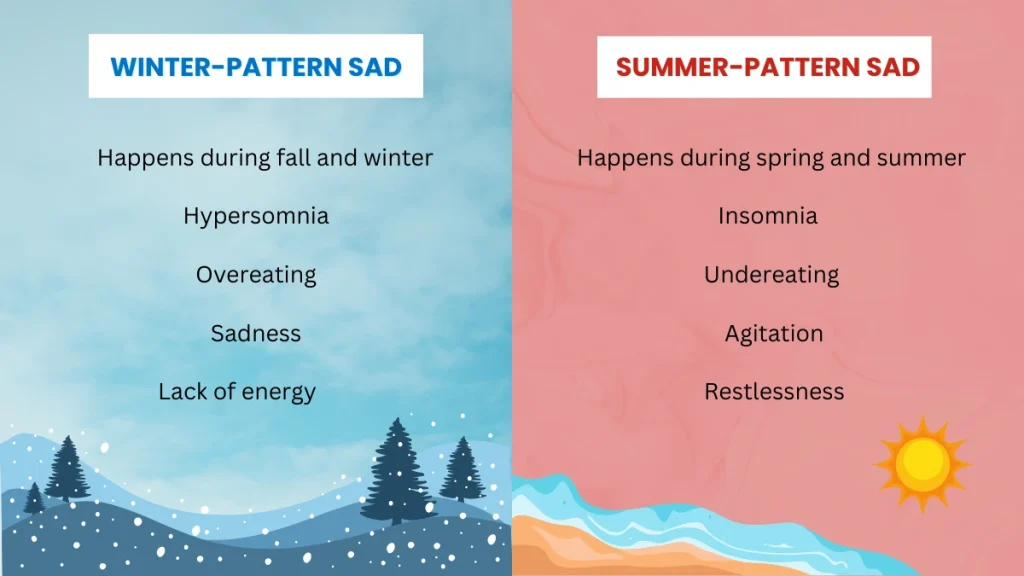
Medications That Help with Quitting Smoking

Varenicline

Nicotine addiction treatment recommended by your doctor are extremely excellent quitting tools. Varenicline, a pill formerly known as Chantix, is the most effective single product for helping you quit smoking. It reduces cravings by stimulating the brain in the same way as nicotine does. Varenicline functions in two ways. First, it binds to and inhibits the brain’s nicotine receptors. This makes smoking a cigarette less enjoyable and the benefits of quitting smoking more noticible. Second, it partially activates nicotine receptors in the brain.

Possible side effects are:

  • Nausea 
  • Vivid or lucid dreams
  • Constipation
  • Gas

Bupropion

Bupropion, widely known as Wellbutrin or Zyban, is an oral medicine. It is also nicotine-free, and acts by inhibiting nicotine receptors in the brain.

Side effects could include:

  • Insomnia
  • Dry mouth
  • Mild hand tremors

Nicotine Nasal Spray

Nicotine nasal spray has a similar size and shape to allergy or congestion nasal sprays, but it is administered entirely differently. Instead of inhaling the spray into the sinus cavities, users let it sit in their nostrils, allowing nicotine to be absorbed into the nasal lining and bloodstream.

Potential side effects include:

  • Nasal irritation 
  • Runny nose
  • Watery eyes

Over-the-Counter Options

Nicotine replacement therapy delivers nicotine without the toxic components found in cigarettes. This can help you control your urges and wean off tobacco with less withdrawal symptoms. 

The nicotine replacement medications listed below are available over the counter in most pharmacies:

Nicotine patches

Nicotine patches are usually 3 to 4 inches wide and constructed of rubber. These patches deliver a continuous amount of nicotine. They are applied to the upper body, such as the arm, shoulder, or back, and replaced once every day. For persons allergic to latex, there is a hypoallergenic, latex-free brand name version of the patch available.

Potential side effects are:

  • Skin redness beneath the patch
  • Allergy or rash
  • Sleep disturbances or strange dreams
  • Racing heartbeat

Lozenges

Candy-like lozenges melt and deliver a nicotine dose. They also keep your tongue active, which may minimize the desire to smoke. Lozenges are available in two dose sizes: 2 mg and 4 mg, as well as small and regular. Mini lozenges may take 10 to 15 minutes to take action. Regular-sized lozenges may take 15 to 20 minutes to take action.

Possible side effects include:

  • Nausea
  • Hiccups

Gum Nicotine

Use the “chew and park” method when using nicotine gum. Chew the gum for five to ten seconds, or until you experience the tingling feeling that is the result of nicotine. After that, shift the gum and keep it “parked” for five to ten seconds between your teeth or between your teeth and cheek. Chew the gum again and place it in various areas of your mouth for a total of 20 to 30 minutes.

Possible negative effects are:

  • Hiccups
  • Feeling queasy
  • Might stick to dentures

How to Participate in The Great American Smokeout 2025?

Participate in The Great American Smokeout 2024

Participating in The Great American Smokeout includes taking steps to quit smoking and encouraging others who are trying to quit.

Here’s how to quit smoking and get involved:

  • Quit smoking: If you smoke, try The Great American Smokeout to quit. Seek help from friends, family, or stop-smoking programs.
  • Support quitters: Support and motivate your friends and family members who wish to stop smoking. Provide support, understanding, and encouragement.
  • Spread the word: Share information about the dangers of smoking and the advantages of quitting on social media and in your community.
  • Organize activities: Communities, companies, and schools can all hold events, workshops, or instructional sessions to promote awareness about smoking cessation.
  • Quit smoking resources: Use the American Cancer Society’s quit-smoking materials and other helplines.
  • Share achievements: Celebrate the accomplishments of those who have quit smoking and are living a smoke-free lifestyle.

Conclusion

There are many ways to quit smoking, and some work better than others. By taking the initial step and deciding to quit, your body can begin to heal in minutes, and participating in events like the Great American Smokeout will provide you with the support and bravery you need to quit. The benefits of quitting smoking can significantly improve your quality of living and life expectancy!

FAQ’s:

What is the Great American Smokeout?

The Great American Smokeout is an annual event held by the American Cancer Society on the third Thursday of November to encourage people to quit smoking.

When is the Great American Smokeout 2024?

The Great American Smokeout 2024 is Thursday, November 21

How can I participate in the Great American Smokeout?

Participating in The Great American Smokeout involves taking steps to quit smoking and supporting others in their efforts to quit. 

What quit smoking resources are available to help me quit smoking?

There are plenty of different quit smoking resources to help people quit smoking. Some of these include: 

> Medications
> Therapy
> Online quit smoking resources
> Nicotine replacement therapy
> Counselling 
> Support groups 
> Organizations such as the American Cancer Society, The American Lung Association and more.

Does quitting smoking reduce cancer risk?

Yes, one of the benefits of quitting smoking is that it can significantly reduce your risk of developing cancer.

What strategies work best for quitting smoking?

> Avoid triggers
> Find safe substitutes
> Reach out and find smoking cessation support groups
> Use medication or nicotine replacements
> Cut down gradually
> Make a plan and stick to it as best you can

Medicare Changes 2025: How the New Updates Will Affect You

Medicare will undergo significant changes in 2025, which may have a significant impact on the cost of your prescription medications. Under the Inflation Reduction Act, these are set to be the most impactful updates to Medicare changes 2025 prescription coverage since the program’s start in 2006. These changes aim to help Medicare enrollees better manage their medication costs, especially those who rely on high-cost prescriptions.

Medicare Advantage plans

Many beneficiaries, particularly those who use expensive prescriptions, view these revisions as a huge win; nonetheless, there are some crucial facts and possible expenses to consider.

The 4 Big Medicare Changes For 2025

Medicare open enrollment lasts from October 15 to December 7. During this yearly event, Medicare beneficiaries can assess plans and make changes to their Medicare coverage, which will take effect on January 1.

If you’re one of the more than 66 million Medicare beneficiaries, you should be aware of forthcoming program changes, especially with Medicare changes 2025, so you can make informed decisions.

With Medicare open enrollment started, here’s everything you need to know:

$2,000 Annual Out-Of-Pocket Drug Limit

The Inflation Reduction Act, signed into law in 2022, authorized major modifications to the Medicare program. These provisions will be implemented gradually, with the most recent provision taking effect next year.

Beginning in 2025, out-of-pocket drug spending will be limited to $2,000 per year, and the prescription drug “doughnut hole” will be abolished.

medicare annual enrollment

Here’s how the new system will work with Medicare changes 2025:

  • Your deductible will be $590 (increased from $545 in 2024). Once you’ve met the deductible, you’ll pay 25% of your prescription prices during the initial coverage phase until your out-of-pocket expenses reach $2,000.
  • Once you hit this limit, you will be eligible for catastrophic coverage, which means you will not have to pay any extra out-of-pocket expenditures for prescription drugs.
  • The Centers for Medicare & Medicaid Services (CMS) estimates that this measure will save Medicare participants $7.4 billion per year. This equates to an average savings of over $400 per person for over 18.7 million beneficiaries in 2025, or approximately 36% of total Part D enrollment.

Some Part D Plan Premiums May Increase, But The Average Cost Decreases

While the new $2,000 cap introduced under Medicare changes 2025 will save some Medicare beneficiaries money on healthcare costs, particularly those who take pricey brand-name prescriptions, others’ premiums may climb. Before we get into the details, let’s take a quick look at how Medicare members get prescription medication coverage. The Part D market consists of two types of plans, both of which are managed by commercial health insurance companies that contract with the federal government and receive CMS financing. 

One is a stand-alone plan that just provides drug coverage, while the other is a Medicare Advantage plan that includes drug coverage along with other health services. KFF, a nonpartisan health policy research organization, warns that certain plans may modify their premiums, formularies, copays, or deductibles in response to the Medicare changes 2025 and the new $2,000 out-of-pocket spending limit. This is mainly due to higher insurance costs and limited increases in government subsidies.

medicare advantage enrollment

A new program, the Part D premium stabilization demonstration, is part of the Medicare changes 2025 and aims to restrict premium increases for Part D users. The program limits monthly premium increases to $35 in 2024 and 2025. So, at most, stand-alone prescription plan premiums may rise by $35 per month over 2024 levels. However, other plans may see more modest increases or even cuts. With that said, the average Part D premium is decreasing, according to CMS. 

The average Part D beneficiary premium is predicted to fall by $7.45 in 2025 to $46.50 from $53.95 in 2024. While understanding typical medication plan costs is useful, you must also consider the impact of Medicare changes 2025 on the premium of your specific plan — or any plans you are considering switching to during open enrollment — to determine the total cost.

You Can Choose To Pay For Your Medication Costs Over Time

Thanks to Medicare changes 2025, beginning in 2025, Medicare prescription drug plans must allow members to divide their out-of-pocket prescription drug costs into monthly payments throughout the year rather than paying them all at once at the pharmacy.

If you choose to participate in the Medicare Prescription Payment Plan, your Medicare Advantage or stand-alone Part D plan will bill you for your drug costs rather than collecting them at the pharmacy. There is no additional cost to participate in the program.

To enroll or learn more about these Medicare changes 2025, contact your Medicare prescription plan provider.

Potentially Higher Medicare Part B Premiums and Deductible

Your Medicare Part B premium and deductible adjust each year, and Medicare changes 2025 are projected to increase these costs, though no specific changes have been announced yet. Medicare Part B covers a wide variety of outpatient services, such as doctor visits, procedures, and medical devices.

Understanding the potential impact of Medicare changes 2025 on Part B premiums and deductibles is critical for enrollees. All Medicare enrollees, whether in a Medicare Advantage plan or Original Medicare, are responsible for these expenditures.

Most registrants have their Part B premium withdrawn automatically from their monthly Social Security check. It should be emphasized, however, that state cost-saving initiatives, as well as programs offered through Medicare Advantage plans, can help lower-income patients reduce or eliminate their Part B premium.

What To Do During Medicare Open Enrollment 

Compare Medicare Advantage plans

Medicare open enrollment is conducted annually from October 15 to December 7. During this time, you can transition from Original Medicare to a Medicare Advantage plan (or vice versa), as well as between Medicare Advantage plans and Medicare Part D prescription drug coverage. The Medicare Plan Finder tool allows you to review options and enroll in a new plan online or over the phone. 

When assessing Medicare changes 2025 and your overall Medicare expenditures, it’s important to consider factors beyond just monthly premiums. Deductibles, copays, and access to services all contribute to the total cost. Opting for the lowest premium plan may not always be the best choice, as lower premiums could lead to higher out-of-pocket costs or limited prescription coverage.

If you’re struggling with Medicare premiums, you may qualify for the Extra Help program, which offers significant savings on medications. This program allows eligible patients to pay as little as $4.50 for a generic drug and $11.20 for a brand-name drug.

Additionally, if you’re enrolled in a Medicare plan, you should have received an Annual Notice of Change letter in September. Be sure to read this letter carefully as it will outline any pricing adjustments, formulary updates, and changes in your medication coverage. Check to see if your current drugs are still covered and whether their tier levels or out-of-pocket fees have changed under the new Medicare changes 2025.

Get Help From Ship 

Navigating Medicare can be complicated, but you don’t have to do it alone. If you need assistance researching your options, there is a network of free, federally sponsored services available. The State Health Insurance Assistance Program (SHIP), part of Medicare changes 2025, offers personalized counseling, education, and assistance to Medicare recipients and their families.

Each state has its own SHIP program, which may be known by a somewhat different name, such as SHINE (Serving Health Insurance Needs of Everyone) in Florida or SHIBA (Senior Health Insurance Benefits Advisors) in Idaho. A SHIP counselor can assist you with a variety of tasks, including evaluating medication plans, discovering potential savings, and answering open enrollment inquiries – all at no cost. 

If you’re unsure about Medicare changes 2025 or need assistance navigating your coverage options, a SHIP counselor can provide valuable, no-cost support.

Conclusion

Changes to Medicare in 2025 may have a significant impact on your prescription expenses and payment management. Take advantage of open enrollment to compare plans, ensure your drugs are covered, and look into cost-cutting strategies such as the Extra Help program. Whether you’re a current Medicare enrollee or nearing eligibility, now is the time to learn how these Medicare changes 2025 will affect your budget — and how you can make them work for you.

FAQ’s:

What is the blue cross blue shield medicare advantage?

Blue Cross and Blue Shield (BCBS) Medicare Advantage plans are private health insurance plans that provide Medicare coverage.

What do the Medicare changes 2025 for seniors entail?

If you have Medicare drug coverage (Part D) and your drug costs are high enough to reach this cap, you don’t have to pay a copayment or coinsurance for Part D drugs for the rest of the calendar year. Starting in 2025, you’ll also have the option of spreading your drug costs across monthly payments throughout the year.

Why do people say not to get a Medicare Advantage plan?

In some cases, you’ll have a higher share of costs when you see an out-of-network doctor. In other cases, you’re not covered at all if you go out of network. This is particularly important if you travel a lot because Medicare Advantage plans generally don’t provide out-of-state coverage.

Will Medicare Part B premiums increase in 2025?

Yes, Medicare Part B premiums are expected to increase in 2025.

How much will Medicare Part B cost in 2025?

The standard monthly premium for Medicare Part B in 2025 is projected to be $185, but this amount may vary depending on your income.

Smoking Secrets: What Tobacco Use Really Does to Your Health

The health risks of tobacco use, whether smoked or chewed, are extremely harmful. Tobacco products contain hazardous chemicals such as acetone, tar, nicotine, and carbon monoxide. Inhaled chemicals can harm your lungs and other organs.

what does smoking do to your body

Smoking can cause chronic difficulties and long-term consequences on your body’s systems. While smoking might increase your risk of developing certain health illnesses over time, such as glaucoma, cancer, and blood clotting problems, some of the physical impacts occur right away.

Learn more about the symptoms and general consequences of smoking on the body below.

Using Tobacco

Tobacco smoke is extremely damaging to your health. There is no safe way to smoke. Replacing your cigarette with a cigar, pipe, e-cigarette, or hookah will not protect you from health dangers. According to the American Lung Association, cigarettes contain over 600 chemicals. 

Many of these substances also appear in cigars and hookahs. When they burn, they release over 7,000 compounds, many of which are harmful. At least 69 of them have been identified as carcinogenic or cancer-causing. In the United States, smokers have a threefold higher mortality rate than non-smokers. 

risks of tobacco use for youth

In fact, the Centers for Disease Control and Prevention (CDC) report that smoking is the leading preventable cause of death in the United States. While not all of the consequences of smoking are immediate, the problems and harm can persist for years. The good news is that stopping smoking can decrease numerous risk factors for illnesses and diseases.

Cancer And Health Risks Of Tobacco Use

Smoking can be harmful to your organs and have a detrimental impact on your overall health. Smoking can cause inflammation throughout your body and impair your immune system. This may increase your susceptibility to infection. 

Smoking is an environmental risk factor for rheumatoid arthritis, albeit the exact mechanism is unknown. A well-documented association exists between smoking and a variety of cancers. Smoking increases your chances of developing cancer practically anywhere in your body. 

This includes the following cancer types:

tobacco use and cancer

  • Tracheal, bronchial, and lung cancer
  • Esophageal cancer
  • Acute myeloid leukemia
  • Cervical cancer
  • Colorectal cancer
  • Kidney and uterine cancer
  • Laryngeal cancer
  • Bladder cancer
  • Liver cancer
  • Oropharyngeal cancer
  • Pancreatic cancer
  • Stomach or gastric cancer

If you stop smoking, cancer and health risks of tobacco use drop in 10 to 20 years, depending on the kind of cancer. However, your risk will remain higher than that of those who have never smoked.

Central Nervous System

Tobacco contains nicotine, a mood-altering substance. Nicotine is habit-forming and extremely addictive. It’s one of the reasons individuals struggle to quit smoking. Nicotine enters your brain in seconds and can provide you with a temporary boost of energy. However, once the effect wears off, you may become fatigued and want more. Physical abstinence from nicotine might impede your ability to think and cause bad feelings. 

Mental health risks of tobacco use may include:

Effects on Vision

Long-term smoking might have negative effects on your vision and optic nerve. It may cause you to acquire eye-related disorders. 

The visual health risks of tobacco use can include:

  • Glaucoma is a condition in which the pressure in the eye increases, putting strain on the optic nerve and causing damage and loss of sight.
  • Cataracts produce cloudy eyesight.
  • Age-related macular degeneration, which causes damage to a location in the center of your retina and results in loss of your central vision.

Damage to the Respiratory System from Tobacco Use

Smoking harms the airways, air sacs (alveoli) in the lungs, and cilia, which are microscopic hair-like structures that keep debris and mucus from entering the lungs.

tobacco use and lung cancer

Lung Damage

Smoking causes permanent lung damage and tissue loss. Damage to the respiratory system can also make you more susceptible to pulmonary diseases such as tuberculosis and pneumonia, increasing the risk of death from those illnesses. Smoking can lead to a chronic cough. If you have asthma, it can exacerbate your symptoms.

Risk of Lung Cancer

Smoking can harm the lungs, causing sickness or cancer. Smoking is the major cause of lung cancer, with smokers 20 times more likely than non-smokers to develop the disease.

Chronic Lung Conditions

People who smoke are at a greater risk for chronic irreversible lung diseases such as:

  • Emphysema is the destruction of air sacs in the lungs.
  • Chronic bronchitis is a chronic inflammation of the lining of the lungs’ breathing tubes.
  • Chronic Obstructive Pulmonary Disorder (COPD) is a range of lung disorders.
  • Lung cancer.
  • Adult-onset asthma

Withdrawal from tobacco products can cause temporary congestion and respiratory pain as your lungs and airways repair. Increased mucus production shortly after stopping smoking may indicate that your respiratory system is recuperating.

The Health Risks Of Tobacco Use In Infants, Children, and Teens

risks of tobacco use for youth

Babies born to pregnant women who smoke may have undeveloped lungs. Children whose parents or caregivers smoke cigarettes may be more likely to develop certain indirect health risks of tobacco use than children whose caregivers do not smoke. 

These can include:

  • Coughing
  • Idiopathic pulmonary fibrosis
  • Wheezing
  • Asthma attacks
  • Reduced lung function
  • Pneumonia
  • Bronchitis
  • Impaired lung growth
  • Tuberculosis

Teens who smoke may develop smaller and weaker lungs than non-smokers.

Cardiovascular System

According to the Centers for Disease Control and Prevention, cardiovascular disease induced by cigarette smoking accounts for one in every four deaths in the United States.

Cardiovascular health risks of tobacco use can affect you:

  • Heart
  • Arteries
  • Blood vessels

Nicotine causes blood arteries to constrict, reducing the flow of blood. Smoking also causes high blood pressure, weakens blood vessel walls, and increases the risk of blood clots.

These factors raise your risk for cardiovascular disease, including:

  • Atherosclerosis
  • Stroke
  • Peripheral artery disease
  • Coronary heart disease
  • Abdominal aortic aneurysm

You are also at a higher risk of deteriorating heart disease if you have already had:

  • A heart attack
  • Heart bypass surgery
  • A stent placed in a blood vessel

Sexuality And Reproductive System

Nicotine has an effect on blood flow to both males’ and women’s genital areas. Smoking may also contribute to fertility troubles and lower sex hormone levels in men and women, resulting in diminished sexual desire.

For Females

For persons who have vaginas, it can cause sexual unhappiness by reducing lubrication and the capacity to achieve orgasm. Menopause may occur earlier in smokers than in non-smokers. Smoking affects hormone production and can make it difficult for those with vaginas to conceive. 

It can also increase the risk of:

  • Ectopic pregnancy
  • Early delivery
  • Sudden infant death syndrome (SIDS)
  • Low birth weight
  • Stillbirth
  • Cleft palate and lip in infants

For Men

Smoking can impair sexual performance in people with penises. Smoking (Tobacco use)can impair the function of blood vessels, limiting the blood flow required for an erection in those with penises. This may lead to erectile dysfunction (ED). ED can also cause fertility issues. It can also damage sperm DNA, making conception more difficult and raising the chance of miscarriage and certain birth abnormalities.

FAQs: 

How does nicotine addiction develop in teens?

Nicotine can cause brain alterations in which people, particularly young people, seek more nicotine. Until roughly age 25, the brain is still developing, and learning a new action or skill strengthens the connection.

Is there a difference between smoking processed tobacco and natural tobacco?

All cigarettes, whether those labeled as “natural,” “organic,” or “additive-free,” contain hazardous ingredients such as heavy metals, tar, and carbon monoxide.

Can quitting smoking reverse the risk of lung cancer?

Quitting smoking is always worthwhile, regardless of how long you’ve been doing it. Every year you don’t smoke reduces your risk of developing major illnesses like lung cancer. After 12 years of not smoking, your chances of acquiring lung cancer are more than halved compared to smokers.

How does smoking tobacco during pregnancy affect fertility in women?

Smoking tobacco during pregnancy can negatively impact fertility in women. For people with vaginas, it can lead to sexual dissatisfaction by decreasing lubrication and reducing the ability to reach orgasm. Smoking can also cause early menopause and affect hormone production, making it harder for women to conceive.

Additionally, smoking tobacco during pregnancy increases the risk of complications such as ectopic pregnancy, preterm birth, and low birth weight, further affecting both fertility and reproductive health.

What are the potential long-term effects on children born to mothers who smoke?

Prenatal smoking may also increase the risk of a number of child behavioral issues, including the externalization of aggressive and hyperactive behavior, extended periods of verbal or physical aggression and/or socially undesirable behavior (conduct disorder) throughout childhood, and delinquency later in life.

What organs are most impacted by tobacco use and cigarette smoking?

Tobacco use and cigarette smoking are harmful to nearly every organ in the body, including the heart, blood vessels, digestive organs, lungs, eyes, mouth, reproductive organs, bones, and bladder.